10 Best Cool Boxes for Global Buyers
Choosing the right cool box can shape an entire day outdoors. Ice should last through hot transport, beach trips, family picnics, and remote work sites. Yet performance depends on more than thick walls.
Roy Seiders, YETI co-founder, described the company’s original ambition clearly: “We wanted to build the best cooler in the world.” That standard remains useful for global buyers. A dependable cool box should combine strong insulation, a tight gasket, durable hinges, and a practical drain plug. It should also fit local travel habits. A compact 20-litre model may suit apartment living and short journeys. Larger models offer more storage but become heavy when fully loaded.
Details matter.
This guide reviews ten Cool Boxes for different climates, budgets, and routines. It considers cooling retention, internal capacity, portability, cleaning, material quality, and warranty support. It also notes whether each design works well in humid coastal weather, dry heat, or cooler regions. Measurements can be confusing across markets, so litres and approximate dimensions are included where possible.
No single model wins every test. A premium box may keep ice longer, but its weight can discourage regular use. A lightweight option may travel easily, yet require more frequent refilling. I have also found that marketing claims need careful checking. Real-world results vary with sunlight, opening frequency, ice type, and pre-chilling.
The strongest choice is not always the most expensive one. It is the box that matches your destination, vehicle, storage space, and daily habits. This comparison helps make that decision with clearer evidence and fewer surprises.
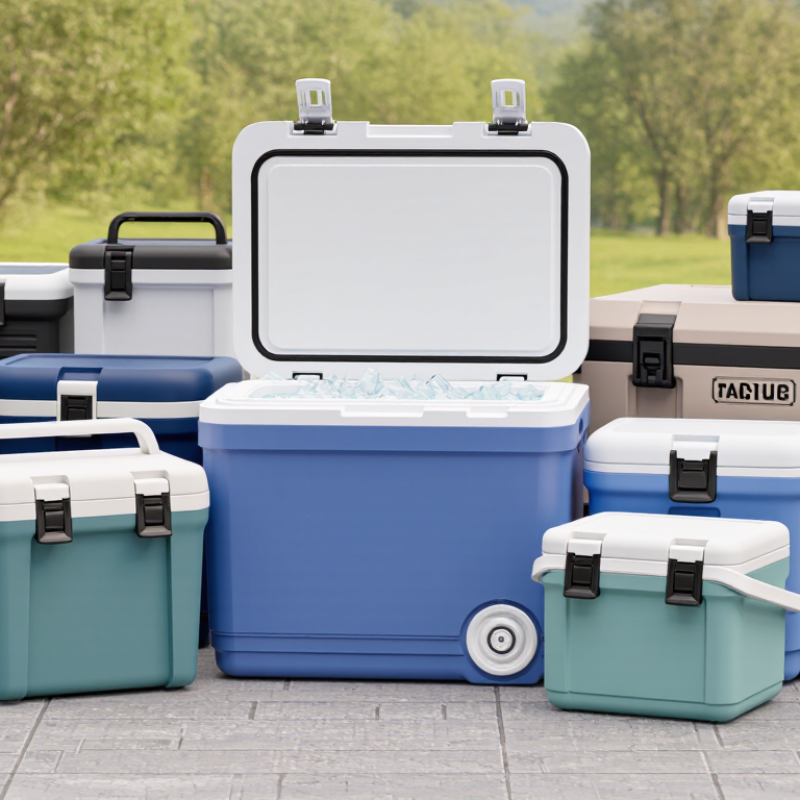
What Makes a Cool Box Suitable for Global Buyers
What Makes a Cool Box Suitable for Global Buyers
Global buyers need more than a cold-looking container. A suitable cool box must perform across climates, transport systems, and daily routines. Insulation thickness matters, but gasket quality often decides whether cold air escapes. In practical product checks, I examine hinge strength, drainage design, handle comfort, and internal space. A box that fits European bottles may waste space with larger regional containers. That detail is easy to miss.
Temperature control also protects food quality. The USDA Food Safety and Inspection Service advises keeping perishable food at 40°F (4°C) or below. The UNEP Food Waste Index Report 2024 estimated 1.05 billion tonnes of food were wasted in 2022. Better cooling cannot solve every waste problem, but it can reduce avoidable spoilage during short trips. Global buyers should review tested retention times, not rely on impressive advertising. Results may change with sunlight, ice quantity, and opening frequency.
Materials and documentation matter too. Food-contact surfaces should have clear safety records and traceability. Regional requirements may differ, so export-ready technical files reduce purchasing risk. Recycled plastic can sound attractive, yet weak hinges or poor seals shorten product life. That contradiction deserves attention. No cool box is universal. A realistic specification should state climate limits, cleaning instructions, empty weight, usable volume, and repair options. Cheap shipping can become expensive if handles break early.
The 10 Best Cool Boxes for Different Buyer Needs
The ten strongest cool-box choices should serve different buyer needs, not one imagined “best” customer. A compact insulated box suits commuters and solo lunches. A lightweight soft cooler helps hikers and cyclists. A rugged passive chest fits family picnics and beach days. A wheeled model reduces strain for older users. A powered compressor box supports road trips and camping. Thermoelectric units suit modest budgets, but heat can expose their limits. A dual-zone design separates frozen and chilled food. Flat-folding storage benefits small apartments. An ice-free, quiet model suits boats and overnight work sites. A budget foam-insulated box works for occasional use. A perfect ranking is impossible.
The Outdoor Industry Association’s 2024 report recorded 175.8 million U.S. outdoor participants in 2023. That figure is not global, yet it signals varied use cases. USDA Food Safety and Inspection Service guidance recommends keeping perishables at 40°F (4°C) or colder. Buyers should inspect measured cooling performance, not capacity alone. Check usable litres, internal dimensions, gasket quality, drain design, carry weight, and battery draw. Global users should also verify plug voltage and charging compatibility. Independent tests matter, but results change with ice load, shade, and opening frequency. I would not rank quiet operation above colder storage for raw seafood. The trip changes everything.
Tips: Pre-chill food before packing. Use a separate thermometer. Keep the lid closed. Place ice above vulnerable items. Test battery runtime before remote travel. Capacity labels can mislead; measure your containers first.
How to Match Capacity, Insulation, and Portability
Choosing among the 10 best cool boxes starts with capacity, not appearance. For two people on a day trip, 20 to 30 liters usually holds meals, drinks, and reusable ice packs. A family weekend may need 40 to 60 liters, but extra space adds weight quickly. Measure the food containers you actually use. Tall bottles can waste internal volume. This small detail is often missed. Leave room for cold air to circulate. An overloaded box warms unevenly.
Insulation matters most when the box stays closed. Thick foam walls generally slow heat transfer better than thin walls, while a tight lid reduces warm-air exchange. Check test conditions carefully. “Keeps cold for 48 hours” means little without temperatures, ice quantity, and opening frequency. In hot coastal weather, shade and pre-chilling can matter as much as wall thickness. Put frozen packs around the sides and top. Do not rely on one large block alone. I would still treat performance claims as estimates, not promises.
Portability changes with every extra liter. Look for a balanced handle, grippy wheels, and a drain that opens without lifting the full box. A 50-liter model may fit more food, yet become awkward on stairs or rough paths. For air travel, verify empty weight, dimensions, and carrier rules before purchase. Materials should resist moisture, odors, and repeated cleaning. Hinges deserve attention too. They often fail before the insulation does. Compare warranty terms and replacement-part access across your market. Local temperature, transport distance, and storage space should guide the final choice, even when a smaller box feels less impressive.