7 Best Roller Compactors for Sale Worldwide in 2026
Choosing the right Roller Compactor can shape project costs, site productivity, and finished-surface quality. A machine that suits a broad highway project may feel oversized on a narrow urban street. Soil type, working width, transport limits, and daily operating hours all matter. So does the operator’s view from the seat.
This guide introduces seven roller compactors available to buyers worldwide in 2026. It considers practical factors such as compaction performance, machine size, service access, operator comfort, and the availability of parts. Specifications and configurations can vary by market, so confirm details with the manufacturer or an authorized dealer before making a purchase. A brochure rarely tells the whole story.
Look closely at the job, not just the headline price. A smaller machine may be easier to move between sites, while a heavier model may better suit demanding compaction work. Fuel use and maintenance deserve attention, too. Even the best-looking option may not fit your crew or ground conditions. That is worth admitting. The comparison ahead offers a starting point, not a universal verdict; local support and a machine demonstration can reveal details a product page misses.
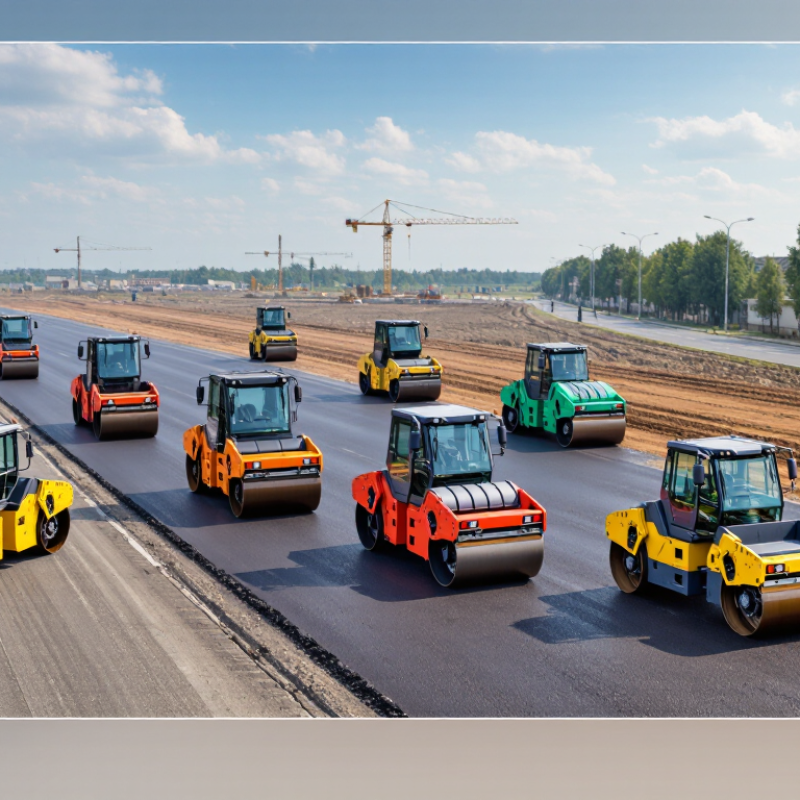
What Roller Compactors Are and How They Work
A roller compactor presses soil, aggregate, or hot asphalt into a denser, more stable layer. Its heavy drum applies static weight; vibration adds repeated impacts that help particles settle into tighter contact. Some machines use smooth drums for asphalt, while padfoot drums grip cohesive soil. The right drum and operating mode depend on the material, layer thickness, and ground conditions.
The numbers matter. FHWA guidance on asphalt compaction explains how density relates to air voids: 92–96% of theoretical maximum density corresponds to roughly 8–4% air voids. The acceptable range depends on the mix and project specifications. Too many voids can let water and air enter; too few may leave asphalt more prone to deformation. Small differences can matter.
Modern intelligent-compaction systems add sensors, GPS, and pass mapping. FHWA’s Intelligent Compaction for Asphalt Pavements guidance describes using these measurements to monitor coverage and track changes in compaction response. They help crews spot missed strips or uneven areas, but they do not replace checks of actual density. A roller can make tidy parallel tracks and still compact unevenly. Watch the overlap, drum speed, and material temperature; a few rushed passes can undo careful setup.
Main Types of Roller Compactors and Their Applications
Roller compactors suit different materials, so the drum matters as much as machine weight. Single-drum vibratory rollers typically compact granular subbase and soil; padfoot drums grip cohesive clay more effectively. Tandem double-drum rollers are common on asphalt, where even contact helps limit surface marks. Pneumatic-tire rollers knead and seal asphalt layers, while small walk-behind units fit trenches and narrow paths. No single type handles every lift well. A drum can look right and still produce poor density if the soil is too wet.
For asphalt work, compaction affects pavement durability and smoothness. The National Asphalt Pavement Association’s 2023 Asphalt Pavement Industry Survey reported about 94.6 million tons of reclaimed asphalt pavement and shingles used in US mixtures in 2022. That scale highlights the need for consistent compaction across varied mixes, though recycled content alone does not determine roller choice. Check lift thickness, material, moisture, and site access before comparing machines. Also verify vibration settings and operating weight against the project specification.
Tips: Make a short test pass on the actual surface. Check density and visible marks, then adjust speed or vibration. Near curbs and utilities, use a smaller roller and avoid aggressive vibration. It takes longer. But a rushed pass can leave weak spots that are difficult to repair.
Typical Operating Weight Ranges of Roller Compactors
Indicative ranges in metric tonnes for common roller compactor types. Actual weights vary by machine configuration and model.
Smooth-drum tandem rollers are commonly used for asphalt and surface finishing; single-drum rollers for soil and aggregate; padfoot rollers for cohesive soils; and pneumatic-tire rollers for asphalt sealing and uniform compaction.
Key Factors for Comparing Roller Compactors
Compare roller compactors against the material, lift thickness, and available working space. A single-drum machine may suit granular fill, while asphalt work often calls for a tandem drum or pneumatic-tire roller. Check operating mass, drum width, vibration frequency, and amplitude; these affect coverage and compaction energy. On a narrow trench, a wide drum can become a liability. Small details matter. A spec sheet can mislead, so assess turning clearance, transport weight, and service access at the actual site.
For asphalt, density is a key comparison measure. The National Asphalt Pavement Association’s technical guidance, The Importance of Density, reports that a one-percentage-point increase in in-place density can extend pavement life by about 10%, within the applicable density range. This is an industry estimate, not a job guarantee. Verify the project’s density target and testing method before choosing a machine. Federal Highway Administration guidance on intelligent compaction describes roller-based stiffness measurements as useful process-control data, not a direct replacement for density tests. Ask suppliers for performance data on comparable material and lift thickness. Then check whether the machine can maintain steady speed and consistent passes; operators sometimes need to adjust settings as moisture or surface conditions change.
Seven Best Roller Compactors for Sale Worldwide in 2026
Choosing among the seven best roller compactors for sale worldwide in 2026 starts with the material and jobsite. A smooth-drum single-drum roller suits soil and aggregate work on open areas. A padfoot model grips cohesive clay, leaving a visibly textured surface. A tandem vibratory roller is practical for asphalt layers and road repairs. Keep the lift thickness consistent. Compaction results depend on moisture, speed, and vibration settings—not machine size alone.
For mixed or finishing work, a pneumatic tire roller presses asphalt with several rubber tires, helping close surface voids. A static three-wheel roller offers steady pressure where vibration is unsuitable. On narrow paths, a walk-behind roller can maneuver around curbs and tight corners. A trench roller handles confined earthwork with remote operation, but operators still need clear sightlines and careful site coordination. Small details matter.
Before buying, compare operating weight, drum width, transport dimensions, service access, and parts availability in your region. Ask for verified specifications and a machine inspection; used equipment can look clean while hiding worn bearings or uneven drum wear. There is no universal winner. Even experienced buyers can underestimate how much soil moisture changes performance, so request a site-specific demonstration when possible.
How to Choose and Purchase a Roller Compactor in 2026
7 Best Roller Compactors for Sale Worldwide in 2026
How to Choose and Purchase a Roller Compactor in 2026
Choosing a roller compactor starts with the surface, not the catalogue. Asphalt, granular base, and confined utility work need different weights, drum widths, and vibration settings. FHWA’s 2023 Highway Statistics reports roughly 4.2 million miles of public roads in the United States. That scale is a reminder: road jobs vary widely, so one machine rarely suits every site. Measure the narrowest turn, steepest grade, and available transport space before comparing models.
Check operating weight, static line load, vibration frequency, amplitude, water-system capacity, and visibility from the seat. For asphalt, plan a short test strip and verify density and smoothness with suitable field measurements. Intelligent compaction readings can help map stiffness, but they do not replace acceptance testing. NAPA’s 2023 Asphalt Pavement Industry Survey reports about 420 million tons of U.S. asphalt-mixture production. It is useful context, not a forecast for every country or contractor. A busy paving schedule may justify wider drums and longer service intervals; small repair crews may value maneuverability more.
Then compare the full purchase cost: delivery, fuel use, routine maintenance, wear parts, warranty support, and local technician access. Ask sellers for service schedules and parts lead times in writing. Inspect drum edges, scrapers, hoses, and the operator station during a demonstration. Feel the controls. A polished specification sheet can still hide poor visibility or awkward access. I would also leave room in the budget for training and unexpected downtime; estimates often look too tidy.