Top 10 Benefits of Hybrid Inverter for Energy Savings?
In recent years, the interest in energy efficiency has surged, leading many to consider the benefits of a Hybrid Inverter. This technology combines solar power generation with energy storage, offering unique advantages. As homeowners strive for energy savings, understanding Hybrid Inverters becomes essential.
Hybrid Inverters can reduce electricity bills significantly. They allow users to store excess solar energy for later use. This capability ensures that energy is available during peak demand times, which can lead to substantial savings. However, potential buyers often overlook the initial investment cost. While long-term savings are apparent, the upfront expense can be a barrier.
Moreover, Hybrid Inverters provide a reliable backup during power outages. This feature enhances energy security, especially in areas with unstable power supply. Yet, the complexity of installation and maintenance is a challenge many face. Overall, exploring the numerous benefits of Hybrid Inverters could lead to smarter energy choices and improved savings.
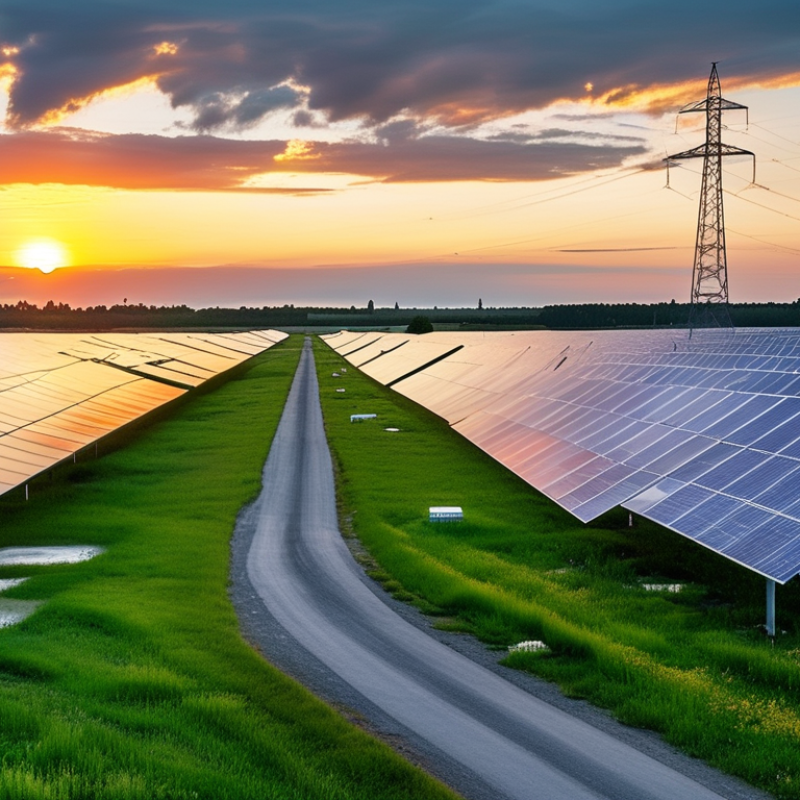
Benefits of Hybrid Inverters for Energy Efficiency in Residential Use
Hybrid inverters offer numerous advantages for energy efficiency in residential settings. One major benefit is their ability to seamlessly integrate solar power and battery storage. A report from the International Renewable Energy Agency (IRENA) indicates that homes with hybrid systems can reduce electricity costs by up to 30%. This reduction occurs because households can utilize stored solar energy during peak pricing hours.
Moreover, hybrid inverters help in optimizing energy consumption. They automatically switch between solar, grid, and battery power, ensuring minimal reliance on the grid during peak times. According to the U.S. Department of Energy, homes equipped with energy management systems could save an additional 10-15% on their energy bills. This adaptability not only enhances energy savings but also supports grid stability.
However, the upfront investment in hybrid inverters can be daunting for some homeowners. The initial costs may deter individuals despite long-term savings. Ongoing advancements in technology are gradually lowering these costs, making hybrid systems more accessible. Awareness and education about the benefits are crucial for widespread adoption. While the savings are clear, ensuring the right installation and maintenance can make a significant difference in performance and efficiency.
How Hybrid Inverters Reduce Electricity Costs and Increase Savings
Hybrid inverters are increasingly recognized for their role in reducing electricity costs. These devices allow users to integrate renewable energy sources, such as solar, into their systems. According to a report by the National Renewable Energy Laboratory, households that adopt solar energy can save between 30% to 50% on energy bills.
One significant advantage of hybrid inverters is their ability to store excess energy. This stored energy can be used during peak hours, when electricity prices are typically higher. A study published in the Journal of Energy Storage found that homes using hybrid systems can reduce peak demand costs by up to 70%. This reduction leads to more efficient energy use and lower monthly utility payments.
However, not all hybrid systems perform optimally. Some users may find the initial setup costs high. Additionally, battery life and maintenance can be issues that need consideration. Regular evaluations can ensure that the system operates efficiently. Addressing these challenges early can maximize the savings provided by hybrid inverters. Overall, their efficient use of renewable resources signifies a shift towards cost-effective energy solutions.
The Role of Hybrid Inverters in Maximizing Renewable Energy Utilization
Hybrid inverters play a crucial role in maximizing renewable energy utilization. By seamlessly integrating solar energy, battery storage, and the grid, they enhance energy efficiency. Homeowners can harness solar power during the day, store excess energy, and use it during peak hours, reducing reliance on conventional energy sources. This shift leads to significant cost savings over time.
A critical aspect of hybrid inverters is their smart energy management. They prioritize the use of renewable sources and optimize battery charging. This function aids in minimizing energy wastage and improving overall system efficiency. Homeowners should regularly monitor their inverter performance to ensure peak efficiency. Small adjustments can lead to substantial energy savings.
Tip: Consider using energy monitoring apps. These tools can help track your energy consumption patterns. Being aware of your usage can inspire changes that further reduce costs. Remember, every small step counts. Embrace this technology, but reflect on your energy habits and how they can evolve with the smart systems available today.
Comparative Analysis of Hybrid Inverters vs. Traditional Systems for Savings
The rise of hybrid inverters marks a significant shift in energy saving solutions. They combine solar power and battery storage, providing flexibility traditional systems lack. Unlike standard inverters, hybrid models optimize energy use by storing excess power during sunlight hours. This stored energy can be utilized later, reducing reliance on the grid and cutting operational costs.
Comparing hybrid inverters to traditional systems reveals clear advantages. Traditional models often depend solely on grid power. In contrast, hybrid inverters allow homeowners to harness renewable energy more effectively. They also provide backup power during outages. This reliability can lead to financial peace of mind, especially as energy prices rise.
Tip: Invest in energy monitoring tools to fully understand your usage patterns. Small changes in consumption habits can lead to greater savings.
Hybrid systems can, however, have some drawbacks. Initial installation costs may be higher than traditional systems. Some users report a learning curve in managing the system effectively. However, the long-term energy savings often outweigh these challenges.
Tip: Regular maintenance is key. Keep your system clean and functional to maximize efficiency. A well-maintained inverter can significantly extend its life.
Long-Term Financial Benefits of Investing in Hybrid Inverter Technology
Investing in hybrid inverter technology offers significant long-term financial benefits. Studies show that households utilizing hybrid inverters can save up to 70% on their energy bills. This reduction comes primarily from the efficient management of solar energy and grid electricity. With soaring energy prices, this technology represents a wise financial decision.
Moreover, hybrid inverters enable users to store excess solar energy for later use. This flexibility reduces reliance on the grid during peak hours, when electricity prices are highest. According to the National Renewable Energy Laboratory, homes with storage systems can often break even on their investment within seven years. Additionally, some users find that having backup power during outages prevents costly disruptions.
While hybrid inverters are initially more expensive than traditional inverters, the savings can offset these costs. The installation may seem daunting. Careful planning is essential to maximize efficiency. As the market grows, incentives may further support this investment, leading to better accessibility. As technology develops, future enhancements could improve performance even more. Investing in a hybrid inverter should be a well-considered choice, weighing potential savings against upfront costs.
Top 10 Benefits of Hybrid Inverter for Energy Savings
The chart above illustrates the top 10 benefits of investing in hybrid inverter technology, highlighting how each benefit contributes to energy savings and long-term financial advantages. The "Impact Level" percentage indicates the effectiveness and importance of each benefit in terms of energy savings.