Top 10 Best Face Masks for Wrinkles That Work
Fine lines can look deeper after a dry night, especially around the eyes and mouth. A hydrating mask may temporarily soften that tight, papery feel, but it will not erase established wrinkles. That distinction matters. In this guide to the Top 10 Best Face Masks for Wrinkles That Work, “work” means realistic support for smoother-looking, more comfortable skin—not a dramatic overnight change.
Dermatologist Dr. Joshua Zeichner has emphasized a useful priority: “The best anti-aging product is sunscreen.” A mask can complement a routine, but it cannot replace daily sun protection or consistent skin care. Ingredients such as glycerin and hyaluronic acid help attract water, while some formulas include retinoids or exfoliating acids. Those stronger ingredients can irritate sensitive skin. Check the label, and patch-test first. Small steps count.
The best choice depends on your skin, your tolerance, and what you expect. A cooling sheet mask before an event may leave skin looking temporarily plumper; a rich cream mask might suit dry cheeks in winter. Neither result is permanent. I still find the word “works” a little too neat. Skin is individual, and product claims deserve a careful look. The picks ahead will weigh ingredients, comfort, usability, and realistic benefits, while noting when a mask may not be a good fit. A dermatologist can help if irritation persists or wrinkles are a major concern.
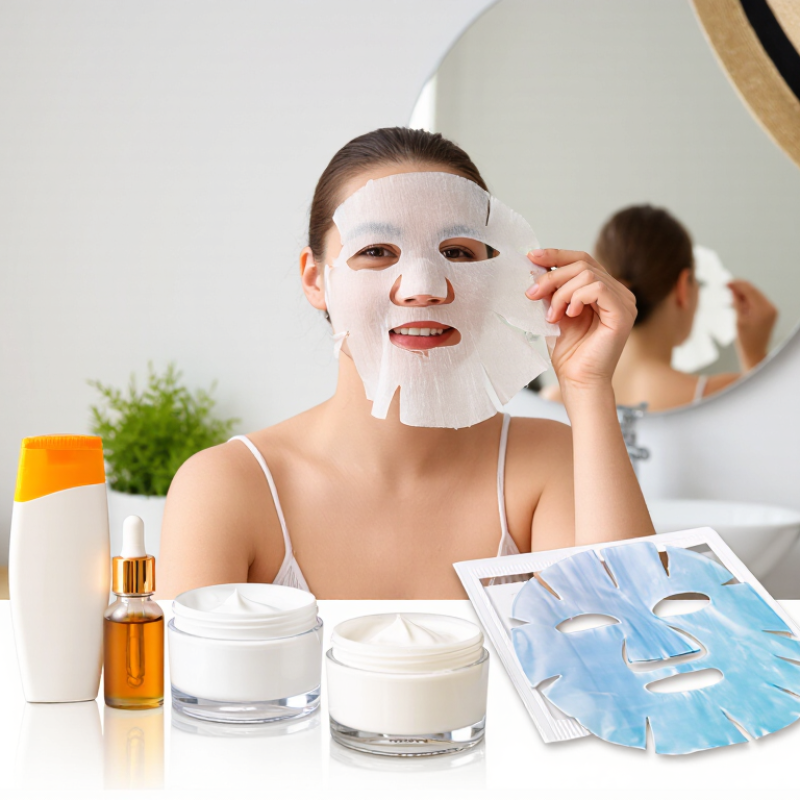
How Face Masks Can Address the Appearance of Wrinkles
How Face Masks Can Address the Appearance of Wrinkles
Face masks can soften the look of fine lines, mainly by adding water to the skin’s outer layer. Ingredients such as glycerin and hyaluronic acid attract moisture, while richer formulas help slow its evaporation. Skin may look smoother for a few hours. That matters. But a mask cannot erase deeper folds or replace the collagen lost with age. I have also found that a rich mask can feel comforting yet leave sensitive skin red; “more moisturizing” is not always better.
Daily sun protection has stronger evidence for limiting visible aging. In a randomized trial of 903 Australian adults, daily sunscreen use was linked to 24% less progression in skin aging over 4.5 years than discretionary use (Hughes et al., Annals of Internal Medicine, 2013). The American Academy of Dermatology recommends broad-spectrum SPF 30 or higher. Masks can complement that routine, not substitute for it. Results vary with skin type, ingredients, and consistency.
Tips: Apply a hydrating mask to clean, slightly damp skin and follow its label. Patch-test new formulas, especially if your skin reacts easily. Avoid products that sting or leave lasting redness. Keep expectations modest: a brief glow is plausible; a lasting wrinkle change is less certain.
Ingredients Commonly Used in Wrinkle-Focused Face Masks
Ingredients Commonly Used in Wrinkle-Focused Face Masks
Wrinkle-focused masks often pair humectants with ingredients intended to improve skin texture. Hyaluronic acid attracts water, so it can soften the look of fine lines caused by dryness. Niacinamide has clinical support: a 12-week study of 50 women found that a 5% formulation improved fine lines and other signs of facial aging (Bissett et al., Dermatologic Surgery, 2004). Results from a leave-on study do not guarantee the same effect from a rinse-off mask. That distinction matters. Peptides and antioxidants are also common, but evidence varies by ingredient and formula. Retinoids have stronger evidence for photoaging, yet they may irritate sensitive skin; a brief mask application is not equivalent to a dermatologist-guided routine.
Tips: Check the ingredient list, not just the front label. For dry, tight skin, look for glycerin or hyaluronic acid. Patch-test first, especially if the mask contains acids or retinoids. Keep it gentle.
A mask can leave skin looking smoother for a while, mainly through hydration. It cannot erase established wrinkles. In an eight-week clinical study of 76 women, topical hyaluronic acid formulations improved measured skin hydration and wrinkle-related outcomes (Pavicic et al., Journal of Drugs in Dermatology, 2011). Still, study formulations may differ from store-bought masks. Choose fragrance-free options if your skin reacts easily, and stop using a product that stings persistently or causes redness. I would be cautious about dramatic “instant lift” claims. Skin is not that predictable.
How to Choose a Face Mask for Your Skin Type and Concerns
Choosing a Face Mask For Wrinkles starts with your skin, not your age. Dry skin may feel more comfortable with a creamy mask containing glycerin or hyaluronic acid. These ingredients attract water and can make fine lines look temporarily softer. Oily or acne-prone skin may prefer a lightweight, non-comedogenic formula. Sensitive skin often does better with fragrance-free products and fewer active ingredients. Combination skin? Apply different formulas to different areas if needed. No mask can erase wrinkles, and results vary.
Tips: Patch test first. Apply a small amount near your jaw and wait 24 hours. Follow the package directions, and stop using the mask if it stings or causes persistent redness. Less is often more.
For mature or easily irritated skin, be cautious with masks containing strong exfoliating acids or retinoids, especially if you already use similar products. Using several active ingredients at once can leave skin dry and uncomfortable. A hydrating mask may offer a temporary boost, but daily sunscreen and a simple routine matter more for long-term skin health. Check the ingredient list rather than relying on claims like “firming” or “anti-aging.” It takes some trial and error; even a well-reviewed formula may not suit your skin.
Top 10 Types of Face Masks That May Help Soften Wrinkle Appearance
Face masks may make fine lines look softer by hydrating dry skin, though results are usually temporary. A hydrated surface can look smoother in the mirror. It cannot erase wrinkles. Four useful options are hydrating sheet masks, rich cream masks, cooling gel masks, and overnight masks. Sheet masks are convenient before an event, while cream and sleeping masks suit skin that feels tight or flaky. Leave them on only as directed; longer is not always better.
Ingredients can guide your choice. Hyaluronic acid masks draw water to the skin’s surface, while ceramide masks help support its moisture barrier. Peptide masks may improve the look of firmness over time, but evidence varies by formula. Antioxidant masks can complement sun protection, not replace it. Gentle exfoliating masks may brighten rough, dull skin, yet frequent use can cause irritation. Soothing masks with ingredients such as colloidal oatmeal may feel comfortable when skin is sensitive. Patch-test new products. A red face is not proof that a mask is working.
Match the mask to your skin, not just the wrinkle claim on its label. Fragrance and strong exfoliants can bother some people, even in rinse-off products. Keep expectations modest: masks offer brief care, not a substitute for daily sunscreen or a clinician’s advice. Honestly, finding a comfortable option can take a little trial and error.
How to Use Face Masks Safely and Set Realistic Expectations
A face mask may leave skin looking smoother for a few hours, especially when it contains hydrating ingredients. That temporary effect is not the same as removing wrinkles. Dry skin can make fine lines look more noticeable, while hydration may soften their appearance. A mask cannot reliably rebuild lost collagen or erase deeper folds. Expectations matter. Even a product that feels soothing can irritate sensitive skin, so check the ingredient list and follow its stated wear time.
Tips: The American Academy of Dermatology advises testing a new skin-care product on a small area twice daily for 7–10 days before wider use. Keep the mask away from eyes and broken skin. If burning, swelling, or persistent redness develops, rinse it off and stop using it. A brief tingle is not proof that a product is working.
For longer-term wrinkle care, daily sun protection is more evidence-based than occasional masking. The AAD recommends broad-spectrum sunscreen with SPF 30 or higher. Use it even when a mask leaves your skin feeling refreshed. Masks can support comfort, but they are not a treatment plan. I find it easy to expect a quick fix; skin rarely cooperates that neatly. If irritation keeps returning, or wrinkles concern you, ask a board-certified dermatologist about suitable options.
Face Masks for Wrinkles: Safe Use and Realistic Expectations
Before trying a new face mask, patch-test it on a small area of skin. The American Academy of Dermatology recommends testing a product twice daily for 7–10 days.
For rinse-off products, leave the test application on for about 5 minutes or follow the label directions. Masks may temporarily hydrate skin and soften the look of fine lines, but they should not be expected to permanently remove wrinkles.
Source: American Academy of Dermatology Association, “How to test skin care products.”
