7 Best Mud Pump Pistons for Oil and Gas Drilling Buyers
A Mud Pump Piston may look like a simple wear part, but it affects pressure stability, fluid delivery, and maintenance intervals. In oil and gas drilling, it works under repeated loads, abrasive drilling fluids, and changing operating conditions. A poor fit can wear quickly or fail to seal properly. That costs time.
There is no universal best choice. Bore size, liner compatibility, fluid type, temperature, and pump model all matter. So does the piston’s construction: bonded elastomers, replaceable components, and material choices can suit different service demands. Buyers should check manufacturer specifications rather than assume that similar-looking pistons are interchangeable. A few millimeters matter.
This guide compares seven mud pump piston options through practical buying factors, including compatibility, expected wear, operating range, and supplier support. It also considers the details that catalogs may leave unclear, such as replacement availability and how a piston performs with the fluids used on site. Those details deserve questions.
“Best” is a starting point, not a guarantee. Actual service life depends on installation, maintenance, fluid conditions, and operating practice. Even a well-reviewed piston may disappoint when the application is wrong. The comparisons ahead can help buyers narrow their choices, but final selection should be checked against the pump manual and the supplier’s technical guidance. After all, the right part is the one that fits the equipment and the work—not just the one with the strongest description.
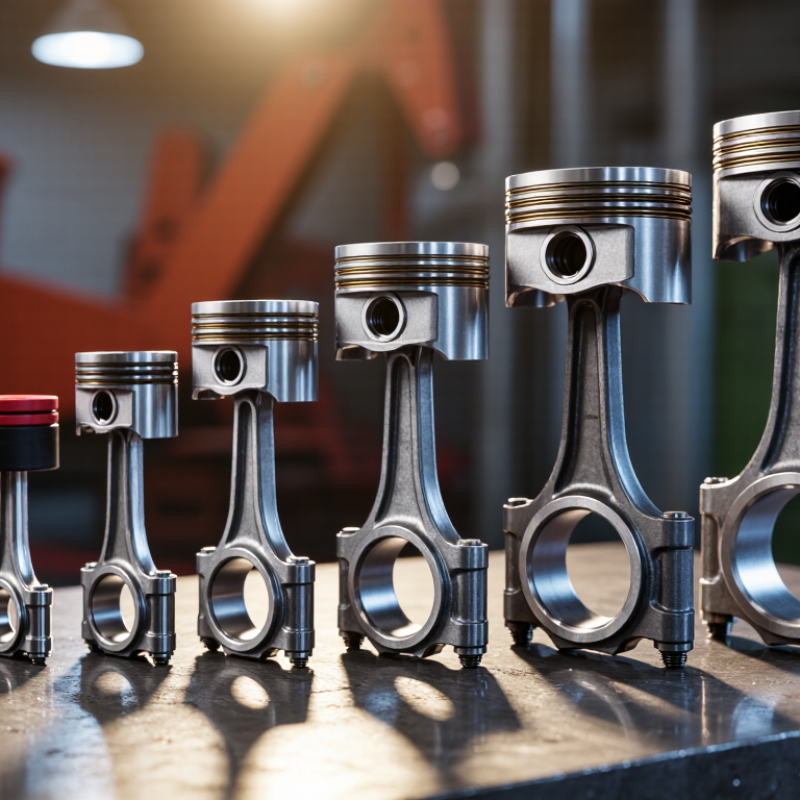
How Mud Pump Pistons Function in Oil and Gas Drilling
A mud pump piston converts the rotation of a drilling rig’s drive into repeated fluid movement. Inside the pump, the piston travels back and forth through a fitted liner. On the intake stroke, pressure falls and fluid enters through an inlet valve. On the discharge stroke, pressure rises and mud is pushed through an outlet valve toward the drill string. That cycle repeats. The valves control direction; the piston and liner help maintain the pressure needed to circulate drilling fluid.
In service, the piston faces abrasive solids, pressure changes, and heat from friction. Its sealing surface matters: a worn or poorly matched piston can allow leakage, reduce output, and make pressure less steady. During inspection, crews can look for cuts, uneven wear, swelling, or signs of fluid bypass, while checking the liner and following the pump maker’s maintenance guidance. Small details count. A piston may look acceptable at a glance, yet a rough liner can shorten its working life. Selection should reflect the pump model, operating pressure, mud chemistry, and expected solids. There is no universally best material; actual wear patterns from the rig are useful evidence, though they do not tell the whole story.
Key Factors for Choosing a Mud Pump Piston
Choosing a mud pump piston starts with the pump’s operating conditions, not a catalog description. Check the piston diameter, liner size, and fit against the pump’s specifications. Even a small mismatch can cause uneven contact, leakage, or accelerated wear. Fit matters. Then consider pressure, stroke rate, and fluid temperature. A piston that performs well in cool water-based mud may wear differently in hot, abrasive service.
Material selection depends on the drilling fluid and expected duty cycle. Rubber compounds can offer flexibility and sealing, while polyurethane may suit some abrasive applications. Neither is automatically best. Ask how the material responds to the actual mud, including its solids and chemical additives. Look for documented test conditions rather than broad claims. A clean laboratory result can still mislead if field conditions differ.
Also compare expected service life, inspection needs, and replacement effort. Check for cracking, cuts, swelling, or uneven wear during routine maintenance; these clues may point to a fit or operating issue, not just a poor piston. Keep records of run hours and fluid conditions. They will not predict every failure. Still, they make the next selection less of a guess.
Seven Mud Pump Piston Types for Drilling Buyers
Mud pump pistons vary by construction and elastomer, so match the type to the fluid, temperature, pressure, and liner. A bonded-rubber piston has rubber fixed to its core, making it a practical choice for steady service. A replaceable-insert piston lets crews change the sealing element without replacing the whole assembly. Check the insert and hub dimensions carefully.
Nitrile pistons suit many water- and oil-based muds, while HNBR can offer better resistance to heat and demanding fluid conditions. Polyurethane pistons are often selected for abrasion resistance, especially when solids wear the sealing face quickly. Fabric-reinforced elastomer designs add support under pressure, though the reinforcement must suit the pump’s operating conditions. Small details matter.
A high-temperature compound may be appropriate when ordinary elastomers soften or lose sealing performance. The seventh option is a solid-rubber piston, valued for its simple construction and straightforward inspection. These categories can overlap: a replaceable insert, for example, may use nitrile or polyurethane. Don’t choose by material name alone. Compare the liner bore, fluid additives, stroke rate, and pressure range against the piston maker’s specifications. A harder compound may last longer in one well and seal poorly in another. That trade-off is easy to miss.
7 Mud Pump Piston Elastomer Options for Drilling Buyers
Representative upper continuous-use temperatures for common elastomer families. These are approximate material-level values, not guaranteed piston ratings.
Temperature capability varies by formulation and operating conditions. Check fluid compatibility, abrasion resistance, pressure, and the piston supplier’s specifications before selecting a piston.
Comparing Piston Materials, Performance, and Durability
Mud pump piston choice starts with the drilling fluid, not a catalog ranking. Standard nitrile rubber suits many water-based muds and offers a practical balance of sealing and cost. High-temperature nitrile can better tolerate heat, but fluid chemistry still matters. Polyurethane often resists abrasion from sand and fine solids. It may be less forgiving in some chemical or temperature conditions. Fit matters.
Other options include hydrogenated nitrile for demanding heat and wear, fabric-reinforced rubber for added support, and bonded elastomer designs that hold the sealing element in place. Replaceable-lip pistons can simplify maintenance, though their service life depends on correct installation. These are not interchangeable choices. A piston that works well in one mud system may swell, harden, or wear quickly in another.
Compare performance using actual operating details: pressure, liner condition, mud temperature, solids content, and washout frequency. Watch the sealing edge during inspections; rounded lips and uneven wear can signal poor alignment or an unsuitable material. A harder compound is not automatically more durable. Trade-offs remain. In field selection, maintenance records are more useful than broad claims, yet records can be incomplete. That uncertainty deserves attention before a bulk purchase.
How to Match a Piston to Pump Conditions and Maintenance Needs
Match the piston to actual pressure, stroke rate, fluid, and solids—not just the highest catalog rating. API Specification 7K provides equipment-rating requirements; check the pump’s rated pressure and liner configuration against its nameplate. API Recommended Practice 13C standardizes shaker-screen measurements, including D100 cut-point data and conductance. These figures help assess solids exposure, but they do not specify piston material. For example, 12-ppg mud at 4,500 psi with coarse drilled solids needs a different wear review than clean water at low pressure. Small differences matter. Check fluid temperature and abrasive loading, too.
For maintenance-led selection, compare elastomer compatibility, piston-to-liner fit, and replacement time. Log strokes per minute, discharge pressure, fluid temperature, and operating hours before leakage; these readings beat a vague “long life” claim. A tight seal can still overheat. Not always obvious. I would compare washout intervals across several runs before changing materials. Check liner wear and solids-control records first. API RP 13C screen data may help explain changing solids exposure, while API Spec 7K ratings help verify pressure limits. Leave room for pressure spikes, and inspect piston lips for cuts, glazing, or uneven contact.
