Contact us

What Is the Best Paper Box Glue Spraying Machine in 2026?

The global packaging market was projected to exceed US$1 trillion in 2024, according to Smithers’ report, The Future of Packaging: Long-Term Strategic Forecasts to 2028. That scale matters on the factory floor. A paper box line may run thousands of blanks through feeding, folding, and bonding, while a small change in glue placement can cause open seams, messy edges, or costly rework.

A Paper Box Glue Spraying Machine should therefore be judged by more than its advertised speed. Buyers need to examine spray-pattern consistency, adhesive compatibility, changeover time, cleaning access, and support for their box sizes. PMMI’s industry research also points to automation and operational efficiency as continuing packaging priorities. Still, published market figures do not prove that one machine fits every plant.

This guide compares the practical details that often decide performance: a clean spray line, stable glue delivery, and quick access to nozzles. Small details matter. I cannot responsibly attribute a quotation to a named glue-machine specialist without a verifiable source; none was supplied with the request. That gap is worth noting, not hiding. The best choice in 2026 will depend on tested samples, documented specifications, and the buyer’s actual production conditions.
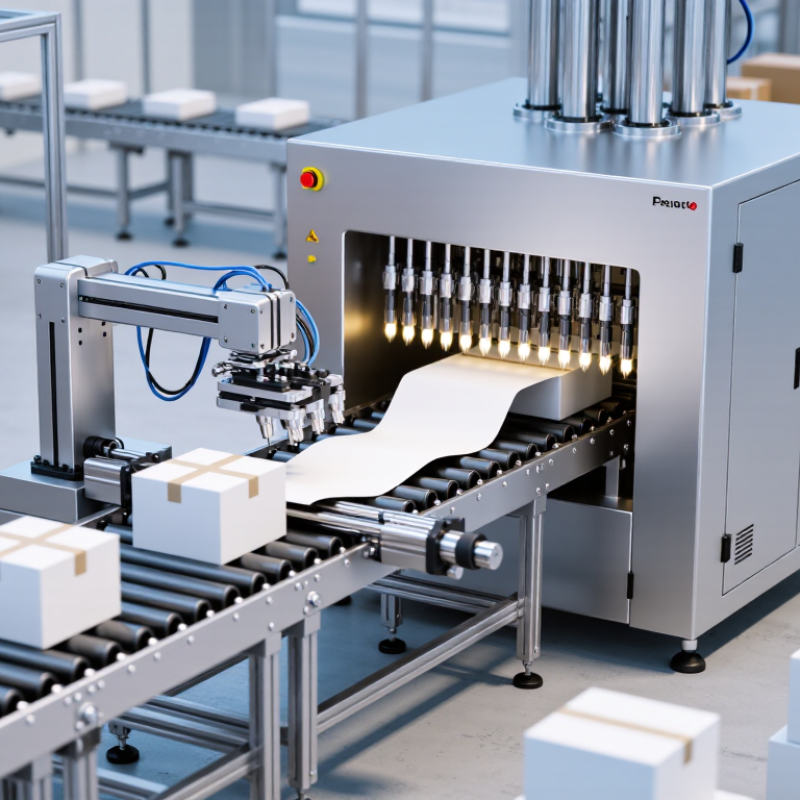
What Is the Best Paper Box Glue Spraying Machine in 2026?

What Is a Paper Box Glue Spraying Machine?

A paper box glue spraying machine applies adhesive to carton blanks, seams, or folding flaps before the box is formed or sealed. It typically combines a conveyor, adjustable spray nozzles, sensors, and controls that regulate glue timing and coverage. The aim is a consistent bond without soaking the board. Small details matter: nozzle height, board dust, glue viscosity, and line speed can all affect the finished seam. The machine does not fix poor material or setup.

Its value becomes clearer against the scale of paper production. The FAO’s 2023 Yearbook of Forest Products reports that global paper and paperboard production reached about 401 million tonnes in 2022. Smithers’ 2024 packaging-market analysis estimates the global packaging market at roughly US$1.05 trillion that year. These figures describe broad markets, not glue-machine demand, but they show why repeatable converting processes matter. A brief spray test on the actual board is still essential.

When comparing machines, check whether the spray pattern suits your box design and whether operators can clean the nozzles quickly. Ask for test results using your board weight, adhesive, and target speed. A neat sample is not enough. I would also track rejected boxes and glue use during a full shift; short trials can hide uneven coverage. Even good automation needs adjustment.

How Does a Paper Box Glue Spraying Machine Work?

A paper box glue spraying machine applies controlled adhesive to folding carton blanks before the panels are pressed together. Feed rollers guide each blank beneath photoelectric sensors, which detect its position. A controller then triggers spray nozzles in a programmed pattern. The adhesive lands as narrow lines or small dots, not a full coating. Timing matters. If the nozzle fires late, glue can miss the flap; too much adhesive may seep out or slow folding. FAO’s Forest Products 2022 dataset records roughly 401 million tonnes of paper and paperboard production worldwide, showing the scale of the material stream these converting processes serve.

After spraying, conveyor belts carry the blank through compression rollers or a folding section. Pressure brings the glued surfaces into contact while the adhesive develops enough strength for handling. Operators adjust nozzle distance, line speed, spray duration, and adhesive viscosity for each board grade and box design. A practical check is to fold sample blanks and inspect the bond, including corners and narrow flaps. AF&PA’s 2023 paper recycling report estimated the U.S. paper recovery rate at 65–69%; that figure is useful context, not a machine-setting rule. One caveat: a clean-looking spray pattern does not prove a durable bond. Humidity, board coating, and adhesive condition can still change the result.

Which Machine Types Suit Different Box Production Needs?

For short runs, a tabletop or semi-automatic paper box glue spraying machine is often the practical choice. An operator feeds each blank, checks its position, and starts the spray cycle. This setup suits custom orders and frequent size changes. It takes more hands-on time, though. Small shops may underestimate that labor.

High-volume lines usually benefit from an automatic inline machine with conveyor feeding and timed nozzles. It can apply repeatable glue patterns across many cartons, reducing manual handling. For boxes with several flaps or unusual shapes, look for adjustable spray heads or programmable paths. More nozzles do not automatically mean better results. Poor spacing can cause overspray, clogged tips, or glue on visible surfaces.

Match the machine to the board, adhesive, and required production rate. Thin paperboard may need a lighter, carefully controlled application; heavier stock may require a wider pattern or different adhesive settings. Check nozzle access, cleaning routines, and changeover time before choosing. Test actual box blanks, not just a sample sheet. Even a capable machine can struggle with warped stock, and that detail is easy to overlook. The best fit is the one that maintains clean bonds at your real working speed.

What Factors Define the Best Machine in 2026?

The best paper box glue spraying machine in 2026 is not simply the fastest model. It should apply a consistent bead across the box’s folding areas without soaking thin paperboard. Check whether the spray pattern can be adjusted for different box sizes and board weights. A nozzle that leaves clean edges on a small carton may produce gaps on a wider panel. Test it using your actual materials.

Reliable control matters on a busy production floor. Look for adjustable glue flow, steady conveyor speed, and clear settings operators can repeat between runs. Ask how often nozzles need cleaning and whether dried adhesive can be removed without lengthy disassembly. Small details count. Record glue use and rejected boxes during a production trial; these figures can reveal problems that a short demonstration misses. A high output rate is less useful when frequent adjustments interrupt the line.

Also consider changeover time, maintenance access, and operator training. Guards and straightforward emergency stops support safer, more predictable work. Request performance data for similar board thicknesses, then verify it with your own trial. No machine fits every shop. A system with more automation may reduce manual handling, but it can also add setup demands. That trade-off deserves honest review before purchase.

How to Compare, Install, and Maintain a Suitable Machine?

What Is the Best Paper Box Glue Spraying Machine in 2026?

The best paper box glue spraying machine is the one that suits your materials and production pace. Compare its working width, spray adjustment, and compatibility with your adhesive. Test it with your actual paper stock, including coated sheets if you use them. A neat spray pattern matters. So does repeatability. Ask for a sample run, and check whether glue lands cleanly near folds without soaking the paper.

Before installation, confirm the floor is level and leave room to load sheets and reach service points. Connect utilities according to the machine manual, then test spray settings on scrap material. Small errors matter. During routine care, follow the adhesive supplier’s cleaning guidance, inspect hoses and filters, and remove dried residue before it blocks a nozzle. Keep a simple log of pressure settings and cleaning dates. One limitation: a short test on flat stock may not reveal problems with thicker or coated board.

Tips: Measure twice. Start with low spray output, then increase it until coverage is consistent. Check the first few boxes for weak seams, glue strings, or damp spots. If results drift, pause and inspect the nozzle before changing several settings at once.

What Is the Best Paper Box Glue Spraying Machine in 2026? — How to Compare, Install, and Maintain a Suitable Machine?

Machine Type Best Suited For Typical Planning Output Glue and Application Space and Utilities Installation Checks Routine Maintenance Main Trade-Off
Manual or bench-top glue applicator Prototypes, short runs, frequent design changes, and small workshops. Low; output depends mainly on operator speed and box design. Usually applies adhesive through a hand-held or simple metered applicator. Confirm that the adhesive is compatible with the substrate and applicator. Compact footprint; typically requires a stable bench and, depending on the applicator, electrical power or compressed air. Level the work surface, confirm safe cable or air-hose routing, and test glue placement on sample blanks. Clean the nozzle and wetted parts after use according to the adhesive supplier’s instructions; inspect hoses and seals. Lowest automation and simpler setup, but labor demand and output consistency can limit production.
Semi-automatic reciprocating spray machine Small to medium batches with repeatable box formats and an operator available to load and unload blanks. Low to moderate; cycle time varies with box dimensions, spray pattern, and operator handling. Can apply adhesive in programmed or manually set lines and patterns. Check the specified adhesive viscosity, filtration, and cleaning method. Requires more floor space than a bench-top unit; compressed air may be required for spray or movement functions. Provide a level floor, suitable electrical supply, clean dry compressed air if specified, and clearance for loading, guarding, and maintenance. Inspect spray tips, filters, air lines, guards, and moving parts. Flush or clean the system using the approved procedure. More repeatable than manual application, but loading, changeovers, and operator skill still affect output.
Automatic flatbed glue spraying machine Regular production of flat paperboard blanks where automatic feeding and controlled adhesive patterns are beneficial. Moderate to high; confirm demonstrated output using the buyer’s actual blank size and layout. Often supports timed or programmed application. Verify compatibility with the adhesive type, substrate coating, and required bond area. Needs a dedicated production footprint, electrical power, and often compressed air; extraction or ventilation may be needed depending on the adhesive and safety assessment. Check floor loading and level, utility specifications, guarding, emergency stops, feeder alignment, and access for cleaning and service. Clean application components as directed, check filters and nozzles, inspect feed belts and sensors, and keep a record of faults and service. Can improve repeatability and reduce manual application, but needs more setup, floor space, and operator training.
Integrated inline gluing system High-volume lines where gluing is coordinated with upstream feeding or downstream folding and forming equipment. Potentially high, but the line is limited by the slowest connected process and product changeovers. Application pattern and control must match the line speed, box construction, and adhesive open time. Largest footprint and the most demanding utility and line-integration requirements; layout, guarding, and material flow need advance planning. Confirm line speed and control-signal compatibility, infeed and outfeed heights, product transfer, safety interlocks, and commissioning responsibilities. Use a documented preventive-maintenance schedule for glue delivery, sensors, drives, belts, and safety devices; coordinate service with the full line. Best potential for continuous production, but higher integration effort and downtime risk if connected equipment is not balanced.
Buying criteria to compare All production scales; select by box construction, daily volume, changeover frequency, and available operators. Request a witnessed trial using representative blanks; compare acceptable finished boxes per hour, not a headline machine speed alone. Ask for the approved adhesive specification, application range, pattern repeatability, cleaning procedure, and sample bond-test method. Compare the machine footprint plus operator, loading, service, and material-storage clearance. Verify site power and air requirements in writing. Request a utility checklist, layout drawing, foundation or leveling requirements, installation scope, training plan, and acceptance-test criteria. Check availability of wear parts, recommended inspection intervals, cleaning time, documentation, and local service support. The most suitable machine is the one that meets validated product quality and production needs with manageable installation and operating costs.

Note: Output and utility requirements vary by machine design, box dimensions, adhesive, and production conditions. Treat throughput as a planning consideration rather than a guaranteed specification, and confirm performance with a production trial and the machine supplier’s documentation.