Contact us

What Is the Best Paper Food Box Machine in 2026?

Choosing the best Paper Food Box Machine in 2026 is not simply a matter of comparing advertised speed. A machine may look impressive on a product sheet, yet struggle with the board thickness or box shape your orders require. Think of a busy shift: blank sheets feed into the machine, formed corners take shape, and finished boxes stack beside the packing line. Small interruptions can matter as much as peak output.

A careful comparison should examine forming accuracy, adjustment time, material compatibility, energy use, operator training, and access to spare parts. Ask suppliers for a live demonstration using your intended board and box dimensions. Check how quickly an operator can change sizes, clear a jam, and restore consistent folds. Request test results and service details in writing. Numbers need context.

The right choice depends on the factory, not a universal ranking. A small producer may value quick setup and flexible runs, while a high-volume plant may prioritize steady output and reduced downtime. Compare total operating needs, not just the purchase price. Even this approach has a blind spot: real production conditions can differ from a supplier’s demonstration. Leave room for that uncertainty. This guide explains the features worth checking, the questions to ask, and the trade-offs buyers should weigh before selecting a Paper Food Box Machine for 2026.
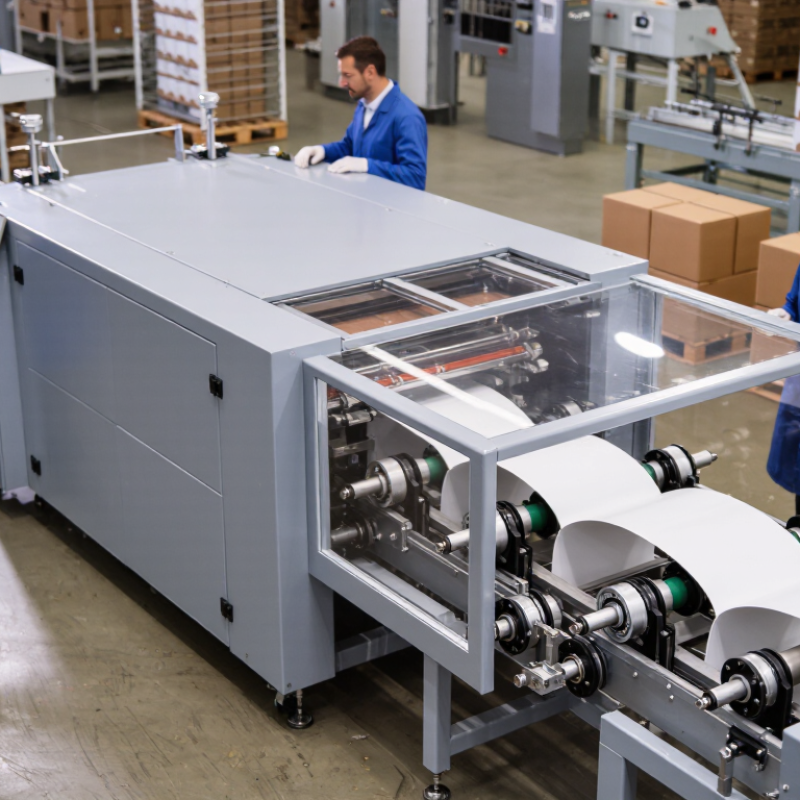
What Is the Best Paper Food Box Machine in 2026?

What Is a Paper Food Box Machine?

A paper food box machine converts flat paperboard blanks into formed containers for meals, snacks, and takeaway orders. Depending on its design, it feeds sheets, folds scored panels, applies adhesive or locks tabs, then presses and stacks each box. The machine is more than a folder. Its forming tools must match the box dimensions, board thickness, and intended use. Some lines also include feeding and counting systems; printing and die-cutting may happen in separate equipment. Small details matter: a poorly adjusted fold can leave a lid that springs open.

Paperboard is a large material stream, but it is not all food packaging. FAO’s Forest Products 2022 data reports roughly 401 million tonnes of global paper and paperboard production that year. This figure shows the scale of the material sector, not demand for food boxes. When assessing a machine, check its tested output on your actual board and box style. Rated speed alone can mislead. I would also ask for a changeover demonstration; setup time is often less tidy in real production than a brochure suggests.

Tips: Bring a sample blank and finished box to the machine trial. Check fold accuracy, glue placement, reject rate, and cleaning access. Ask how quickly operators can change tooling. A short test helps.

What Is the Best Paper Food Box Machine in 2026?

A paper food box machine forms and joins paperboard into containers for takeaway meals and other food packaging. The best choice depends on the required output, box design, and level of automation.

Indicative planning benchmarks, not guaranteed production rates. Actual output varies with box size, material, tooling, and operating conditions.

How Does a Paper Food Box Machine Work?

A paper food box machine turns flat, food-grade paperboard into shaped containers through a controlled sequence. The operator loads a paper roll or pre-cut blanks, depending on the machine design. Guides keep the material aligned as it moves toward forming tools. Small adjustments matter. A few millimeters of drift can create uneven edges or weak corners.

During forming, dies or molds fold the board into a box shape. Heat and pressure help set creases, while adhesive seals the side seam and bottom. Some machines form containers from coated paperboard, so temperature and pressure must suit the material. Too much heat can damage a coating; too little may leave a loose bond. The exact settings vary. Operators often check sample boxes before a full production run.

Finished boxes move to a collection area, where they can be counted and inspected. Useful checks include corner strength, clean folds, and a flat, even base. Sensors may detect misfeeds or jams, but they do not replace routine inspection. In practice, paper quality, humidity, and tool wear can all affect results. That part is easy to underestimate. Even a well-adjusted machine may need small corrections as conditions change.

What Is the Best Paper Food Box Machine in 2026? - How Does a Paper Food Box Machine Work?

The best machine depends on the box design, board material, required production volume, and available floor space. The comparison below describes common machine configurations; actual capabilities vary by model and tooling.

Machine Configuration Typical Production Setup Advantages Considerations Best Suited For
Manual or semi-automatic forming machine An operator loads or positions pre-cut blanks, and the machine forms them using a matched mold and the specified heating or bonding process. Lower automation complexity; useful for short runs, sampling, and frequent product changes. Output and consistency depend more heavily on operator handling. Confirm which steps are manual. Small production runs, product development, or businesses with changing box designs.
Single-station automatic machine Automated blank feeding and forming are combined in one forming station; finished boxes are discharged for collection. Reduces repetitive manual handling and can provide consistent forming when material and tooling are correctly set. Changeovers require suitable molds and adjustments. Confirm supported blank sizes, board specifications, and box styles. Steady production of a limited range of compatible food box designs.
Multi-station or integrated automatic line Several operations, such as feeding, forming, and collection, are coordinated across multiple stations or connected equipment. Can reduce manual transfers and support higher-volume, repeat production. Usually needs more space, integration planning, and operator training. Verify the complete line’s rated output for the target product. High-volume production with stable product specifications and planned material supply.

How a Paper Food Box Machine Works

Step What Happens What to Check
1. Prepare the blank Paperboard is cut and creased into a flat blank, either before it reaches the forming machine or by upstream equipment in an integrated line. Blank dimensions, crease positions, board thickness, and any food-contact or barrier requirements.
2. Feed and position The blank is placed into the machine and aligned with the forming area. Automatic models may use a feeder to perform this step. Feeder compatibility, blank stability, and reliable alignment.
3. Activate the forming process The machine uses its configured forming method. Depending on the design, this can involve a heated mold and pressure; other designs may use different heating or bonding arrangements. Confirm the machine’s actual process, energy requirements, and compatibility with the intended board or coating.
4. Fold and form the box Matched tooling shapes the blank and forms its walls, corners, and edges into the specified box geometry. Mold dimensions, box style, forming consistency, and changeover procedure.
5. Release and collect The formed box is released from the tooling and collected manually or by an automatic discharge system. Finished-box condition, stacking method, and downstream packing requirements.
6. Inspect quality Operators check box shape, crease and corner formation, bonding or sealing where applicable, and visible defects. Inspection criteria should match the product design and applicable food-contact requirements.

Selection tip: Compare machines using the same box dimensions, paperboard specification, and production conditions. Ask for a product-specific trial and rated output for your intended box; output varies with box size, material, tooling, and machine configuration.

What Types of Paper Food Box Machines Are Available?

Paper food box machines vary by forming method, box shape, and production volume. Semi-automatic machines suit smaller runs and frequent design changes. An operator feeds blanks and checks each formed box, which helps catch crooked folds or weak corners. The trade-off is slower output and greater reliance on consistent handling.

Automatic machines are designed for longer production runs. They can feed paperboard, crease it, apply adhesive, and form boxes in a continuous sequence. Some use intermittent motion, stopping briefly at each forming station; rotary systems move blanks through rotating tools. Each approach has different setup and maintenance needs. A paper tray machine may also differ from one built for takeaway clamshells, since their folds and locking tabs are not the same. Details matter.

Specialized machines can produce containers for noodles, snacks, bakery items, or meals with separate compartments. When comparing types, check the supported blank dimensions, board thickness, forming speed, and changeover time. Ask for a sample run using your actual material. A box may look neat but still spring open at the corners. I would also inspect access for cleaning and routine adjustments; brochures rarely show how awkward a jam can be to clear. The best fit depends on the box design and daily workload, not just the highest advertised speed.

Which Features Matter When Comparing Machines in 2026?

When comparing a paper food box machine in 2026, begin with the boxes your line must produce. Record their dimensions, board thickness, coating, and fold pattern. Then ask suppliers to run your actual material, not just a convenient sample. Watch the corners and base after forming. Do they stay square when filled? Check the edges.

Rated speed matters, but steady output matters more. Note jams, rejects, and time needed to change box sizes during a trial. A machine that runs quickly for ten minutes may behave differently across a full shift. Ask how operators clear common faults and reach wear parts. Small delays add up.

Compare setup controls, guarding, cleaning access, power use, and the availability of technical support. Request clear documentation for compatible materials and routine maintenance. It should be practical, not only polished. Consider floor space around the machine, including room for loading blanks and removing finished boxes. A shiny machine can still be the wrong fit. That is easy to miss when a demonstration uses only one box size. Record trial results and compare them against your own production needs before choosing.

How Can Businesses Identify the Best Machine for Their Needs?

Choosing the best paper food box machine starts with the boxes you actually sell. List each size, paper weight, coating, and required daily output. A machine suited to small lunch boxes may struggle with deep takeaway containers or frequent size changes. Match its forming range to your products, not just a headline speed.

Ask for production figures using your paper specification. Then test samples with the actual stock, including a heavier grade if you use one. Run a trial. Watch for crooked folds, weak corners, jams, and excess scrap. Record usable boxes per hour, changeover time, and how often an operator must intervene. That matters.

Consider the workspace, power supply, guarding, cleaning access, and availability of training and spare parts. Request a maintenance schedule and clarify which tasks need a technician. Compare total operating costs, not purchase price alone: labor, energy, tooling, downtime, and rejected boxes all add up. A short demonstration cannot predict every shift, so speak with current users where possible. My own caution: the fastest model on paper may not be the easiest to keep running. Choose based on repeatable output, product fit, and support you can verify.