Contact us

7 Best Reefer Cargo Vans for Global Buyers in 2026

Choosing a Reefer Cargo Van in 2026 means balancing temperature control, usable space, operating costs, and dependable service. A van may look capable on a brochure, yet the real test comes on a hot delivery route with frequent door openings. Small details matter: insulation thickness, cooling-unit recovery time, cargo-floor design, and how easily technicians can source parts.

This guide compares seven options for global buyers, focusing on practical selection factors rather than headline claims alone. We consider vehicle size, payload needs, refrigeration performance, energy use, driver comfort, and support availability. Buyers should also check how a conversion affects load capacity and whether the cooling system suits the intended temperature range. A large cargo area is not always better. It can add cost and leave unused space on shorter routes.

Specifications vary by model, market, and configuration, so confirm details with the manufacturer or local dealer before purchasing. Service networks can be uneven. That matters. A sophisticated refrigeration unit offers little comfort if repairs take weeks or replacement parts are difficult to obtain. No single van fits every business, and published figures do not fully capture daily performance. This comparison is a starting point, not a substitute for a route-specific assessment. Sometimes, the most sensible choice is less obvious than expected.
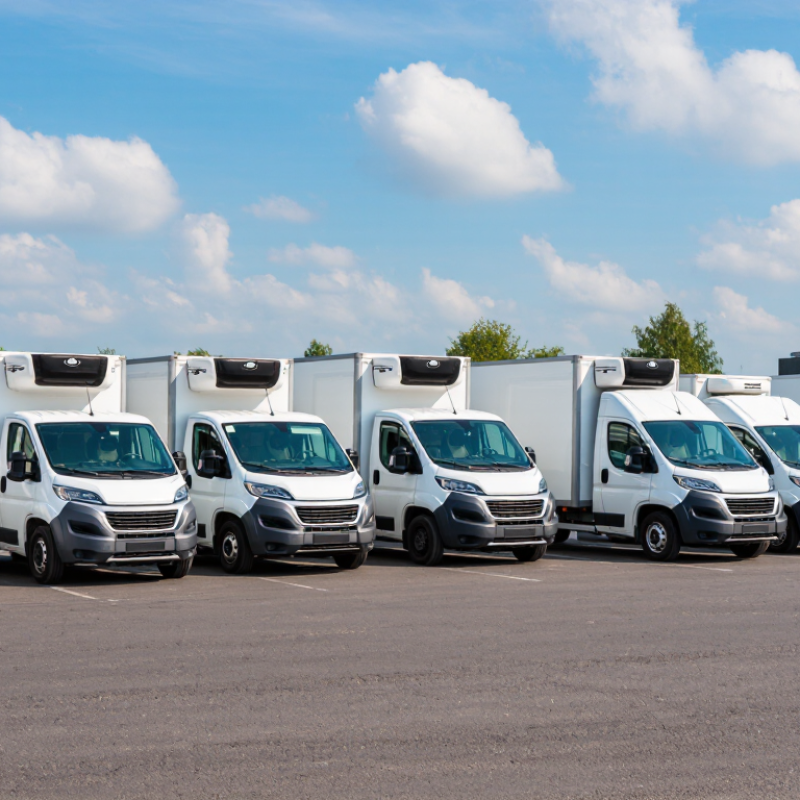
7 Best Reefer Cargo Vans for Global Buyers in 2026

What Defines a Reefer Cargo Van and How Does Its Cooling System Work?

A reefer cargo van combines an insulated cargo body with a powered refrigeration unit. Thick wall panels slow heat entering the compartment, while door seals limit warm-air leaks. The cooling unit removes heat; it does not simply “make cold.” In a typical vapor-compression system, refrigerant absorbs heat at the evaporator, then releases it through the condenser. A compressor circulates the refrigerant, and an expansion device lowers its pressure before the cycle repeats. Simple, but sensitive.

The International Institute of Refrigeration’s 2021 report estimates that inadequate refrigeration contributes to the loss of about 12% of global food production. That figure shows why stable temperature control matters, though a van alone cannot prevent every loss.

Operators need to set the target temperature for the specific cargo, pre-cool the compartment when appropriate, and keep air moving around boxes. A sensor reading can look fine while tightly stacked cartons block airflow. Small details matter.

Frequent door openings, damaged seals, and warm loading areas can also undermine cooling. Temperature logs help reveal these weak points; they are useful evidence, not a guarantee. Even a well-designed system needs careful loading and routine checks.

Which Features Matter Most to Global Buyers?

For global buyers, the best reefer van is not simply the one with the lowest set point. It must hold temperature during loading, traffic delays, and repeated door openings. The International Institute of Refrigeration’s 2019 report, The Role of Refrigeration in the Global Economy, estimates refrigeration uses about 20% of global electricity and contributes roughly 7.8% of greenhouse-gas emissions. That makes insulation, door seals, and cooling-unit efficiency important beyond fuel costs. Ask for performance data at stated outdoor temperatures, not just an advertised range. Small details matter.

Compare usable cargo volume and payload after the refrigeration conversion. Thicker insulation may improve temperature retention, but it can also shrink the load space. Request axle-load figures, floor height, and test results for pull-down and temperature recovery with a realistic load. The IEA’s Global EV Outlook 2024 reports nearly 400,000 electric van sales in 2023, around 5% of global van sales. Buyers considering electric reefers should assess auxiliary cooling power, route distance, and charging time together. A data logger with remote alerts can reveal temperature drift, although connectivity may fail on rural routes. Service access matters too. A detailed specification still cannot replace a route trial.

How to Compare Reefer Vans for Different Cargo and Routes

7 Best Reefer Cargo Vans for Global Buyers in 2026

How to Compare Reefer Vans for Different Cargo and Routes

Compare vans by cargo temperature, payload, and route pattern—not cargo-box size alone. Fresh produce needs steady airflow, while frozen goods require stronger cooling capacity and reliable insulation. For mixed loads, adjustable compartments can help, but they may reduce usable space. Small details matter.

Route conditions change the calculation. Frequent city stops mean repeated door openings; long rural trips demand dependable cooling and enough fuel or battery range. UNEP and FAO’s 2022 report, Sustainable Food Cold Chains, estimates that inadequate refrigeration contributes to losses of about 12% of food produced worldwide. That figure makes temperature stability more than a technical feature. It is worth checking the unit’s performance during loading, traffic delays, and hot-weather operation.

Match payload to the actual shipment, including packaging and cooling equipment. Ask for usable cargo volume, insulation specifications, temperature recovery after door openings, and service support along planned routes. A neat specification sheet can still mislead; real performance depends on loading habits and ambient heat. There is no perfect shortlist. Compare operating costs and test the van with a representative load before choosing.

Seven Reefer Cargo Vans to Consider in 2026

Seven reefer cargo vans to consider in 2026 should be compared by route, payload, and temperature needs—not appearance alone. The options include a compact urban van, a medium-wheelbase van, a long-wheelbase van, a high-roof van, a battery-electric reefer, an engine-driven refrigeration van, and a thermal-storage van. Compact models suit frequent city stops and narrow loading bays. Longer bodies provide room for more insulated cargo, but the added equipment reduces usable payload. High roofs ease loading, though they may not suit every parking structure.

The International Institute of Refrigeration’s 2022 report, The Role of Refrigeration in the Global Economy, estimates that inadequate refrigeration contributes to the loss of about 12% of global food production. That makes temperature performance more than a specification-sheet detail. Ask for the tested temperature range, pull-down time, insulation details, and temperature records under realistic loading conditions. Check payload after fitting the refrigeration unit and insulation. A van may hold its setpoint while parked, then struggle during repeated door openings. It happens. Electric models can reduce local exhaust emissions, but buyers should verify charging access and route range with the refrigeration load included. Thermal-storage systems can simplify some urban duty cycles, yet require disciplined pre-cooling. No single layout fits every route.

7 Best Reefer Cargo Vans for Global Buyers in 2026

Typical cargo temperature targets to consider when choosing a refrigerated van configuration

These representative setpoints illustrate different reefer use cases, not universal requirements. Confirm the specific product’s temperature range and applicable food or pharmaceutical regulations before selecting a vehicle.

How to Choose a Van for Your Market, Budget, and Operating Needs

Choosing a reefer van starts with the route, not the brochure. Measure the longest delivery day, expected stop frequency, ambient heat, and cargo volume. A tall insulated body may reduce usable payload, while frequent door openings can strain temperature control. The International Institute of Refrigeration reported that inadequate refrigeration contributes to losses of about 12% of global food production. That makes dependable cooling and service access practical buying criteria, not extras.

Tips: Ask for payload figures after insulation and refrigeration equipment are fitted. Check whether local technicians can service the unit, and confirm parts availability before purchase. Small details matter. A temperature logger can reveal whether the cargo area stays consistent during real deliveries, especially after repeated stops.

Compare total operating cost, not just the purchase price. Include fuel or electricity, scheduled maintenance, cooling-unit upkeep, and likely downtime. For short urban routes, maneuverability and easy loading may matter most. Longer runs may call for more cooling capacity and stronger insulation. Match the van’s specification to the actual load; oversizing can waste money, while undersizing leaves little margin on hot days. I would still treat projected savings cautiously: traffic, loading habits, and local service quality can upset a neat spreadsheet.