Contact us

What Are Bio Sanitizer Tablets and How Do They Work?

Bio Sanitizer Tablets are compact products designed to support sanitation through biological or chemical action. The name alone does not tell you which. Some tablets contain selected microorganisms or enzymes; others use different active ingredients. Their purpose, application, and performance depend on the formula and the surface or system being treated. Check the product label before assuming two tablets work alike.

Microbiologist Louis Pasteur is often credited with the observation, “The role of the infinitely small in nature is infinitely great.” His words offer a useful lens for understanding products that rely on microscopic activity, though they were not about modern sanitizer tablets. In biological formulations, microbes or enzymes may help break down organic residues under suitable conditions. That is not the same as instantly disinfecting every surface. Results can depend on contact time, temperature, dilution, and the material being treated.

Details matter. A tablet intended for drains may not suit drinking-water equipment or food-contact surfaces. Follow its directions, use only approved applications, and avoid mixing products unless the label explicitly permits it. Look for clear ingredient information and evidence supporting the stated use. Some claims may sound broader than the available product data. That deserves a closer look. Bio Sanitizer Tablets can be useful in specific settings, but they are not a universal substitute for cleaning, maintenance, or verified disinfection methods.
What Are Bio Sanitizer Tablets and How Do They Work?

What Bio Sanitizer Tablets Are and Where They Are Used

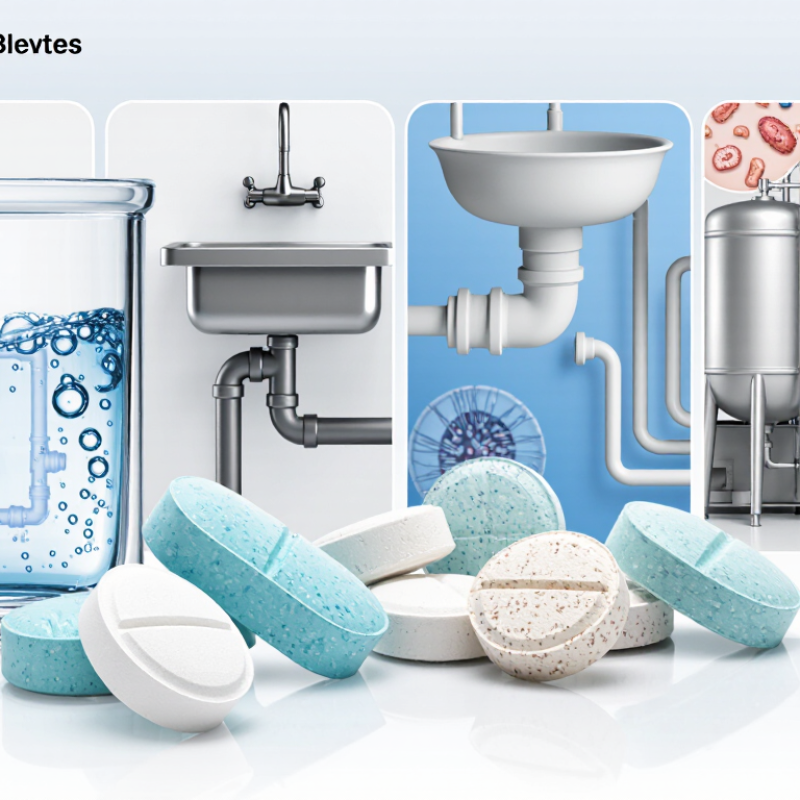
Bio sanitizer tablets are solid-dose products designed to reduce or control microorganisms in water or on specified surfaces. “Bio sanitizer” is a broad market term, not one standard chemical formula. Some tablets release chlorine-based disinfectants; others use different active ingredients. They dissolve in a measured amount of water. Dose and contact time matter.

They may be used in water-storage tanks, portable water systems, water lines, or sanitation of equipment, depending on the product label. A tablet intended for a tank is not automatically suitable for drinking water or food-contact surfaces. Check the approved use, water volume, contact time, and any required rinsing. Small details matter.

The need for dependable water treatment is substantial: the WHO/UNICEF Joint Monitoring Programme reported that 2.2 billion people lacked safely managed drinking water in 2022. Tablets can support treatment where the product is appropriate, but they do not make every water source safe. Cloudy water, poor dosing, or short contact time can undermine results. The label deserves more attention than the tablet’s name.

Key Ingredients and Their Roles in Sanitizer Tablets

Bio-sanitizer tablets are not one fixed formula. In water-treatment products, sodium dichloroisocyanurate (NaDCC) is a common active ingredient: it dissolves and releases chlorine, which damages microbes’ ability to function. Other formulations may use different approved disinfecting agents, so the ingredient panel matters. Small binders and disintegrants hold a tablet together, then help it break apart in water. Some tablets also contain acids and carbonates that fizz, speeding dissolution. The fizz is not the sanitizer. The active ingredient does the disinfecting.

Dose and contact time matter. The U.S. Centers for Disease Control and Prevention advises waiting at least 30 minutes after treating drinking water with chlorine, while following product directions. A tablet’s appearance cannot show whether the water received an effective dose; turbidity and organic matter can interfere. That distinction is easy to miss.

For surface sanitation, water-treatment instructions do not apply: concentration, surface compatibility, and required wet contact time depend on the product label. WHO’s Guidelines for Drinking-water Quality also treat disinfectant residuals as a control to monitor, not a substitute for sound treatment. In practice, tablets can leave a noticeable chlorine smell, and that is not a reliable measure of safety. Check the active ingredient, dose, and intended use. Formulations vary, and that makes broad claims less trustworthy.

How Bio Sanitizer Tablets Work Step by Step

What Are Bio Sanitizer Tablets and How Do They Work?

How Bio Sanitizer Tablets Work Step by Step

Bio sanitizer tablets are compact products designed to dissolve in water before use. Their formulas vary: some contain enzymes or beneficial microorganisms that help break down organic residue. The word “sanitizer” does not guarantee that a tablet kills harmful germs. Check its label for approved uses and tested claims.

The process starts when you add a tablet to the stated amount of water. It dissolves and disperses its active ingredients. Apply the solution to the specified surface or system, then allow the recommended contact time. Enzymes may loosen food, grease, or other organic buildup; microorganisms may then help consume some residue. Results depend on the formula, surface, temperature, and cleanliness. They can be uneven. I would not assume a biological cleaner replaces a disinfectant when one is required.

Tips: Measure the water carefully, wear any protective gear the label recommends, and never mix the solution with other cleaners. Keep it simple. If residue remains, check the directions before repeating the application.

How to Use and Store Bio Sanitizer Tablets Safely

Bio sanitizer tablets are concentrated products designed to dissolve in water and create a sanitizing solution. Their ingredients and strength vary, so a tablet that works for one surface may not suit another. Read the product label before opening the pack. Check the stated water volume, suitable surfaces, and required contact time. A quick wipe may not be enough.

Use a clean, clearly labeled container, and measure the water carefully. Add tablets only as directed, then let them dissolve fully. Wear gloves if the label recommends them, and avoid breathing dust or splashes. Never combine the solution with other cleaners. Keep it away from food, eyes, and children while preparing or using it. If the directions are unclear, pause and check with the manufacturer rather than guessing. Small measuring errors can change the solution’s strength.

Store unused tablets in their original, tightly closed packaging, in a cool, dry place. Moisture can make them soften or crumble before use. Keep the pack away from heat, direct sunlight, food, and the reach of children and pets. Check the expiry date and discard damaged or damp tablets according to label guidance. Even careful users can overlook a loose lid; it is worth checking before putting the pack away.

Bio Sanitizer Tablets: Safe Use and Storage Checklist

Sanitizer tablets must be prepared and used according to their product label; active ingredients, dosage, and contact time can vary. The bars count the safety steps listed for each stage, not product performance or effectiveness.

Factors That Affect Their Effectiveness and Limitations

What Are Bio Sanitizer Tablets and How Do They Work?

Bio sanitizer tablets are compact products designed to dissolve in water and help reduce certain microorganisms on specified surfaces or in approved applications. Their ingredients and mechanisms vary, so “bio sanitizer” does not describe one universal formula. Some release disinfecting compounds; others support biological cleaning rather than rapid disinfection. Read the product directions closely. The distinction matters.

Effectiveness depends on using the correct dose and allowing enough contact time. A tablet that dissolves in a bucket may not work as intended if the water is unusually cold, the mixture is diluted, or the tablet has absorbed moisture during storage. Dirt, grease, and other organic residue can also interfere with treatment. Wipe away visible soil first. Easy to overlook.

The treated material matters, too. A solution may perform differently on smooth glass than on scratched plastic or porous grout, where microbes can remain in tiny gaps. Tablets are not a guarantee of sterilization, and they may not control every type of microorganism. Follow the stated use, dilution, and safety instructions, and avoid mixing the solution with other cleaners. When directions are unclear, effectiveness is hard to judge; a stronger mixture is not automatically safer or better.

What Are Bio Sanitizer Tablets and How Do They Work? — Factors That Affect Their Effectiveness and Limitations

Dimension How It Works or What to Check Effect on Effectiveness Limitations and Practical Considerations
What the tablets are Water-soluble tablets designed to dissolve and release an antimicrobial ingredient into a measured volume of water. Formulations and intended uses vary. The active ingredient and its concentration determine which organisms and uses are covered. “Bio sanitizer” is not a single standardized chemical or performance category. Check the product label for the active ingredient and approved use.
Active ingredient Sanitizer tablets may use different antimicrobial chemistries, such as chlorine-releasing compounds. The specific formulation determines how the solution acts. Different ingredients have different effective concentration ranges, contact times, material compatibility, and organism claims. Do not assume that results or instructions for one tablet formulation apply to another. Follow the product label.
Tablet dose and water volume Dissolve the labeled number of tablets in the specified volume of water, using the stated preparation method. Too little product can leave the solution below its effective concentration; too much may damage surfaces or create exposure risks. Do not estimate by tablet size or use a concentration intended for a different application.
Contact time The treated surface or item generally needs to remain visibly wet for the contact time stated on the label. Insufficient wet time can reduce microbial inactivation even when the solution is correctly prepared. Allowing a surface to dry early, wiping it too soon, or using the solution outside its labeled conditions can undermine the claimed result.
Soil and organic matter Food residue, grease, dirt, and other organic material can shield microorganisms or consume some antimicrobial ingredients. Cleaning first usually improves sanitizer contact with the surface. Sanitizing is not a substitute for cleaning. Follow label directions on whether rinsing or pre-cleaning is required.
Water quality and temperature Water chemistry, hardness, and temperature can affect dissolution or the performance and stability of some formulations. Use the water conditions specified by the manufacturer; these requirements can differ by product. Do not assume warmer or harder water improves performance. Use only the labeled temperature range.
Solution age and storage After dissolving, some active ingredients gradually lose strength, especially when exposed to heat, light, or contamination. Freshly prepared solution, used within the label’s stated period, is more likely to meet its intended concentration. Do not store or reuse prepared solution beyond the product’s directions. Keep tablets dry and in their original packaging.
Surface coverage The solution must reach the area being treated, including relevant crevices and contact surfaces. Uneven application, inaccessible areas, or rapid runoff can leave untreated spots. Use only on surfaces and items listed on the label. Some materials may corrode, discolor, or otherwise be damaged.
Target organisms and claims Effectiveness is specific to the organisms, application method, concentration, and conditions tested for the product. A sanitizer claim does not automatically establish effectiveness against every bacterium, virus, fungus, or spore. Read the label for the exact claims. Sanitizing and disinfecting are distinct claims, and neither should be treated as universal sterilization.
Safety and handling Use the prescribed protective measures and ventilation, and follow label instructions for storage and disposal. Correct handling helps limit skin, eye, inhalation, and accidental-ingestion exposure. Never mix sanitizer solutions or tablets with other cleaners or chemicals unless the label explicitly directs it; mixing can cause hazardous reactions.

Key takeaway: Tablet-based sanitizers work only when the correct formulation is prepared and applied under its labeled conditions. Always use the product label as the authority for concentration, contact time, compatible surfaces, and safety precautions.