How to Choose the Best 3D Printing Machine for Your Needs
When venturing into the world of additive manufacturing, selecting the right 3D printing machine is crucial for both hobbyists and professionals alike. According to Dr. Emily Johnson, a leading expert in 3D printing technology, "The best 3D printing machine for your needs depends on your specific applications and materials." This assertion underscores the importance of understanding your requirements before making a decision.
As the industry continues to evolve, a multitude of options have emerged, each designed with varying capabilities and features. The choice of a 3D printing machine can influence everything from project costs to the quality of the finished product. Whether you are a designer looking to prototype new ideas or a manufacturer aiming to streamline production, identifying the right machine is essential for maximizing efficiency and creativity.
Ultimately, the process of choosing a 3D printing machine should involve careful consideration of factors such as build size, material compatibility, and printing technology. By equipping yourself with the knowledge and insights from industry experts, you can make an informed choice that aligns with your goals and paves the way for successful 3D printing projects.
Understanding Your 3D Printing Needs and Goals
Understanding your 3D printing needs and goals is crucial before investing in a 3D printing machine. Begin by identifying the primary applications you intend to pursue. Are you focused on prototyping, creating intricate designs, or perhaps fabricating functional parts? Each application may require different capabilities, such as accuracy, print speed, and material compatibility. For instance, if your focus is on high-detail artistic projects, a printer with superior layer resolution and fine detail capabilities will be essential.
Additionally, consider the materials you plan to work with, as this will directly influence your machine choice. Different 3D printers support various printing materials, such as plastics, resins, or metals, each offering unique properties for different applications. Think about your production constraints, including budget and space. Some printers may offer advanced features but come at a significantly higher cost. Balancing your long-term goals with immediate requirements will help you select a machine that not only meets your current needs but also adapts as your projects evolve.
Types of 3D Printing Technologies and Their Applications
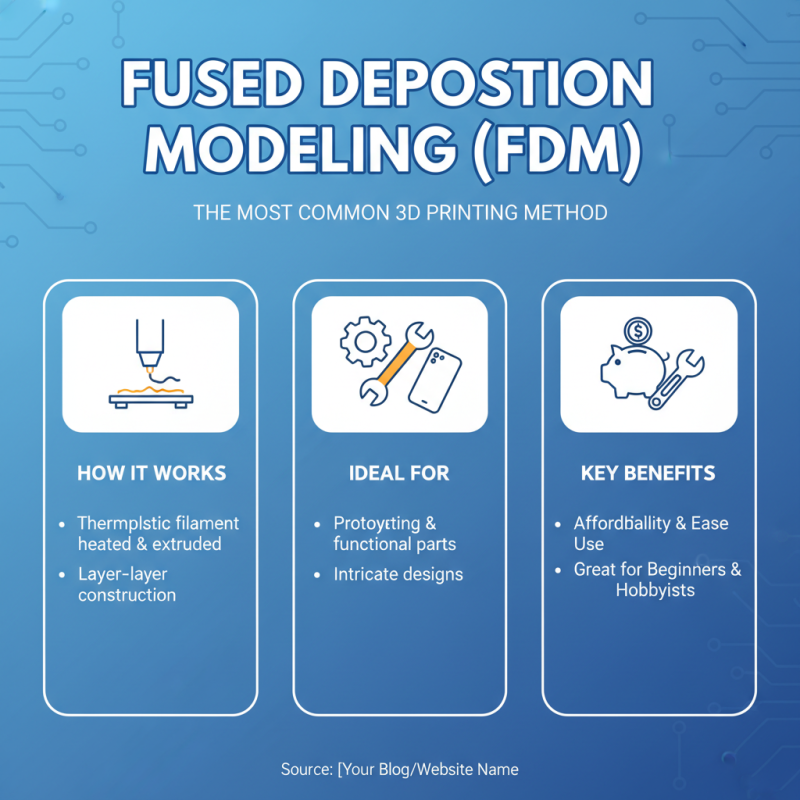
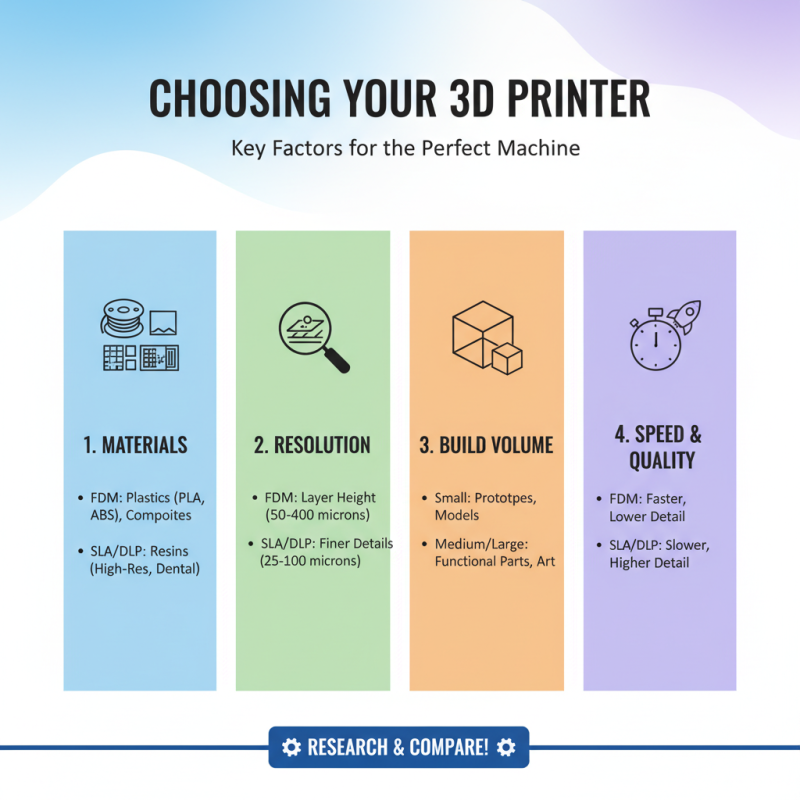
When selecting a 3D printing machine, understanding the various types of 3D printing technologies available is crucial for making an informed decision. Fused Deposition Modeling (FDM) is one of the most common methods, where thermoplastic filaments are heated and extruded layer by layer. This technology is widely used for prototyping and producing functional parts due to its affordability and ease of use. FDM printers are ideal for beginners and hobbyists seeking to create intricate designs without significant investment.
Another notable technology is Stereolithography (SLA), which utilizes ultraviolet light to cure liquid resin into solid parts. SLA is known for its exceptional detail and surface finish, making it suitable for applications requiring high precision, such as jewelry design and dental models. Additionally, Selective Laser Sintering (SLS) involves the use of a laser to fuse powdered materials, allowing for complex geometries and the use of a wider range of materials, including metals and nylon. This technology is often employed in industrial applications for producing durable end-use parts, demonstrating how different 3D printing methods cater to various needs and industries.
Key Features to Consider When Selecting a 3D Printer
When selecting the best 3D printing machine for your needs, there are several key features that should guide your decision. Firstly, consider the type of 3D printing technology that best matches your projects. Common technologies include Fused Deposition Modeling (FDM), Stereolithography (SLA), and Selective Laser Sintering (SLS). According to a recent market analysis, FDM printers account for over 70% of the 3D printing market due to their affordability and versatility, making them a popular choice for hobbyists and educational institutions.
Another critical feature to evaluate is the build volume of the printer. A larger build volume allows for the creation of bigger objects or multiple pieces at once, which can significantly enhance productivity. Research indicates that nearly 30% of users prioritize build volume when choosing a printer, as this impacts the range of projects they can undertake. Additionally, consider the layer resolution and printing speed, as these factors influence the print quality and efficiency. Higher resolution prints typically yield finer details, making them ideal for intricate designs, while faster printing speeds can be essential for businesses needing rapid prototyping capabilities.
Ultimately, understanding these features will enable you to select a 3D printer that aligns with your needs and expectations.
Budget Considerations: Finding the Right 3D Printer for Your Wallet
When selecting a 3D printer, budget considerations are paramount. The price range of 3D printers varies significantly, from entry-level machines for hobbyists to high-end models suited for professional use. It's essential to assess what you can afford without compromising on the features that matter most to your projects. A good rule of thumb is to define your primary use case first—whether it's prototyping, artistic creation, or educational purposes—and then look for printers that specifically cater to those needs within your budget.
Tips: Research online communities for insights on budget-friendly models that have received positive feedback. Often, user reviews will reveal hidden gems that perform well without breaking the bank. Additionally, consider the total cost of ownership, including materials and maintenance, when making your decision.
Another factor to bear in mind is the potential for future upgrades. If you choose a machine that is too basic, you may find yourself needing to invest in another printer sooner than expected. Look for models that offer expandability or are compatible with a variety of materials. This flexibility can save you money in the long term while allowing for growth in your 3D printing capabilities.
How to Choose the Best 3D Printing Machine for Your Needs - Budget Considerations: Finding the Right 3D Printer for Your Wallet
| 3D Printer Type |
Price Range |
Best For |
Print Volume (mm) |
Filament Type |
| FDM Printer |
$200 - $1,000 |
Hobbyists, Beginners |
210 x 210 x 250 |
PLA, ABS |
| Resin Printer |
$300 - $3,000 |
Detailed Models, Prototyping |
120 x 68 x 180 |
UV Resin |
| SLS Printer |
$5,000 - $20,000 |
Small Batch Production |
250 x 250 x 300 |
Nylon, TPU |
| DLP Printer |
$1,500 - $5,000 |
Jewelry, Dental |
120 x 70 x 200 |
Specialty Resins |
Researching and Comparing 3D Printing Machines on the Market
When it comes to choosing the best 3D printing machine, thorough research and comparison of the available options in the market are crucial steps. Begin by identifying the specific requirements of your project, such as the type of materials you plan to use, the desired resolution, and the size of the objects you wish to print. Different machines cater to varying needs, such as FDM printers for beginner users or more sophisticated SLA printers for high-resolution tasks. Consider factors such as build volume, layer resolution, and print speed, as they will significantly impact the quality and efficiency of your projects.
After pinpointing your needs, it's essential to dive into the specifications and features of the machines on the market. Online reviews, user forums, and comparison charts can provide invaluable insights into machine performance and reliability. Pay attention to aspects like ease of use, software compatibility, and customer support options. Additionally, consider the availability and cost of replacement parts and materials, as these can affect the long-term usability and budget for your 3D printing endeavors. By taking a systematic approach to research and comparison, you can make an informed decision that aligns with your creative goals.