A busy commercial floor is a changing environment of people, spills, carts, and shifting schedules. Choosing the right Ai Floor Cleaner means matching its cleaning method to your building, not just its advertised features. A machine suited to open warehouse lanes may struggle around café tables, glass doors, or crowded clinic corridors. That difference can lead to missed edges, repeated routes, and staff time spent helping the robot. Small details matter.
Reliable selection starts with evidence: floor type, daily traffic, cleaning hours, obstacle patterns, and the cost of downtime. Ask for a site demonstration. Watch how the unit maps a real route, responds to a moved chair, and returns to charging. Specifications matter, but service availability, replacement parts, battery life, and clear reporting matter too. The strongest option should fit your staffing model and cleaning routines while producing records managers can review. Check whether schedules, restricted zones, and reports are simple to configure. Compare total ownership costs, including setup, maintenance, supplies, and training—not purchase price alone.
There is no universal winner. A polished demonstration can hide awkward turns or limited support, so ask operators what happens after the first month. Be candid about limitations: even a smart cleaner may need human attention around cords, fresh spills, or changing layouts. Use those observations to build a practical shortlist. Test each candidate in normal operating conditions. Choose the model your team can sustain.
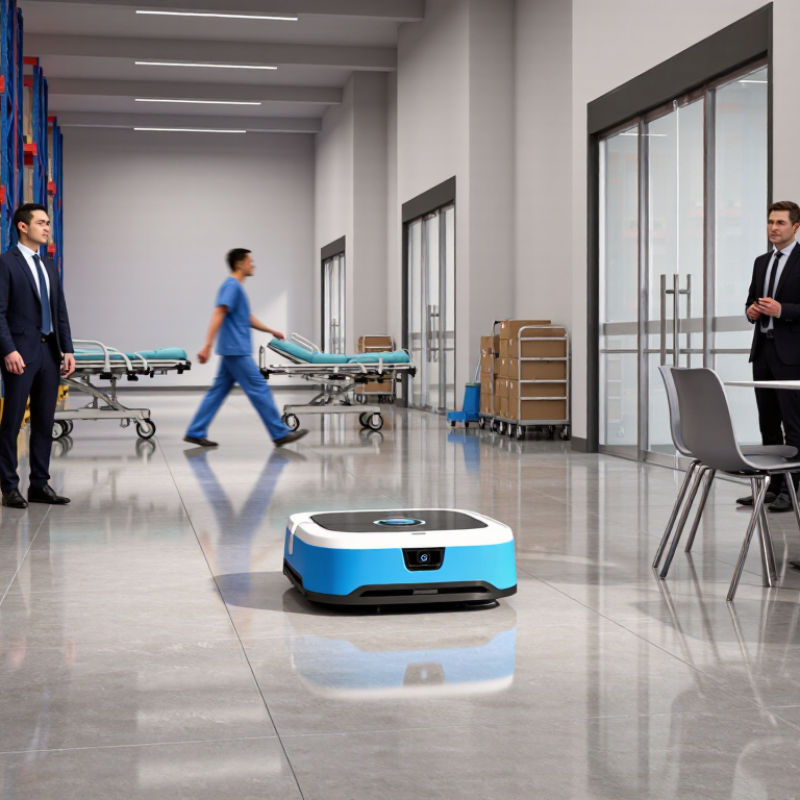
Before comparing AI floor cleaners, map the work your building actually creates. Record each floor type, square footage, cleaning frequency, and peak traffic hours. A polished lobby at 8 a.m. has different needs from a warehouse aisle with dust, pallet marks, and tight turns. Note thresholds, ramps, low-clearance furniture, and areas that must stay open. Small obstacles matter.
Measure the current routine for one typical week. Track staff minutes, refill and disposal stops, blocked walkways, and how long floors remain wet. The U.S. Bureau of Labor Statistics’ Occupational Outlook Handbook reports about 2.4 million janitor and building-cleaner jobs in 2023, with 3% growth projected through 2033. That labor scale makes saved minutes worth measuring, not guessing. Still, a cleaner that covers more area per hour may not suit a crowded site.
Set priorities in plain numbers: target square feet per shift, acceptable noise during business hours, and the longest safe cleaning window. Check whether the machine can handle your narrowest corridor and return to its charging point without blocking an exit. Ask staff where cleaning breaks down; their answers may challenge the floor plan. It is easy to overlook edges. Document the exceptions, too. A requirement list will be imperfect at first, and that is useful: revise it after a supervised trial on the busiest route.
| Requirement | What to Assess | Example Planning Benchmark | Why It Matters |
|---|---|---|---|
| Cleanable floor area | Measure the floor area the machine can actually access, excluding shelving, fixed equipment, and restricted zones. | Record the accessible area in square metres or square feet for each cleaning zone; calculate the required coverage per shift. | Coverage needs depend on the layout, route, cleaning method, and time available—not just the building’s total floor area. |
| Floor surface | Identify materials such as sealed concrete, vinyl, ceramic tile, or polished hard flooring, and note transitions between surfaces. | Document each surface type and check that the proposed machine and cleaning method are approved for it. | Brushes, pads, water use, and traction requirements vary by surface; an unsuitable method can damage floors or clean poorly. |
| Soil and debris | List common materials, such as dust, grit, packaging fragments, food residue, or liquid spills, and estimate how often they occur. | Separate routine dry debris from sticky soils and liquid spills; test representative areas before selecting a machine. | Different cleaning tasks may require sweeping, scrubbing, or manual spill response. A single machine may not suit every task. |
| Cleaning frequency | Define how often each area must be cleaned and which areas need extra attention. | Set a schedule by zone, such as several passes per day in busy entrances and a daily pass in lower-traffic areas. | A zone-based schedule helps match machine capacity and battery availability to actual cleaning demand. |
| Operating window | Identify available cleaning hours, quiet periods, shift changes, and times when people or vehicles occupy the floor. | Specify the start and finish time for each cleaning run, including time for travel, setup, and servicing. | Autonomous operation is only useful when routes can run safely within the site’s operating schedule. |
| Traffic and shared spaces | Assess pedestrian density, forklifts, carts, doorways, and areas where people frequently cross the route. | Map high-traffic crossings and establish operating rules for occupied aisles and shared work areas. | Obstacle detection and route planning can reduce interruptions, but they do not replace site traffic controls or supervision. |
| Aisle and access dimensions | Measure narrowest aisles, door openings, turning areas, ramps, and floor-level changes. | Compare measured clearances with the machine’s published dimensions and turning requirements; include a safety margin. | The cleaner needs enough space to travel, turn, dock, and pass safely without blocking access or contacting equipment. |
| Battery and coverage capacity | Estimate route duration and check the machine’s rated run time under the intended cleaning conditions. | Require a full route plan that includes travel time, cleaning speed, charging, and any planned battery changes. | Published run time and coverage figures can vary with floor conditions, settings, route complexity, and operating practices. |
| Water and waste handling | Check clean-water filling, recovery-tank emptying, drainage access, and the location of service areas. | Confirm that tank capacity and service intervals fit the planned route, or schedule stops at suitable refill and disposal points. | Frequent servicing can interrupt cleaning. Wastewater should be handled according to site procedures and applicable rules. |
| Navigation and mapping | Review map setup, route editing, restricted zones, temporary obstacles, and recovery from blocked paths. | Test the intended routes during normal site conditions, including doors, people, and movable equipment. | Real-site testing shows whether autonomous navigation works reliably in the actual layout, not just in an empty space. |
| Safety and compliance | Review emergency stops, warning indicators, obstacle response, data handling, and applicable workplace requirements. | Complete a documented risk assessment and confirm that training and operating procedures are in place before deployment. | Site-specific safety controls are essential wherever the machine shares space with employees, visitors, or vehicles. |
| Reporting and oversight | Decide which records supervisors need, such as completed routes, exceptions, cleaning time, and service alerts. | Define the required reports and how often managers will review them. | Useful reporting helps verify that planned cleaning is completed and highlights areas that need route or schedule changes. |
| Maintenance and support | Estimate staff time for daily checks, brush or squeegee care, tank cleaning, and troubleshooting. | Request a maintenance schedule, consumable list, training plan, and local service response details before purchase. | Routine care and accessible support affect uptime and the total effort required to keep the cleaner in service. |
