Contact us

How to Choose an LPG Tank Container for Your Business?

Choosing an lpg tank container is not simply a capacity decision. It affects how your business handles loading, transport, storage, and delivery. The scale is substantial: the WLPGA’s 2024 Statistical Review estimates global LPG production at about 345 million tonnes in 2023. That figure signals a large, active market, but it does not tell you which container suits your routes or operations.

Start with the practical details. What volume must each shipment carry? How often will the unit travel, and where will it be filled or discharged? Check the LPG specification, tank capacity, tare weight, fittings, inspection records, and compatibility with your handling equipment. A container that looks efficient on paper may create delays if a terminal cannot handle its dimensions. Small details matter.

Energy security matters, too. IEA Executive Director Fatih Birol has described it as “at the heart of the IEA’s mission.” For LPG businesses, that broader concern makes dependable equipment and resilient logistics worth careful attention. Yet a tank container alone cannot guarantee reliable supply. Routes, maintenance, staff training, and local operating requirements all shape performance.

This guide explains how to compare options against your actual business needs, rather than headline capacity alone. It also points to recognized technical requirements and supplier documentation as checks, not substitutes for qualified engineering advice. One honest caveat: there is no universally best container. The right choice depends on your cargo, route, equipment, and operating plan—and those details are easy to underestimate.
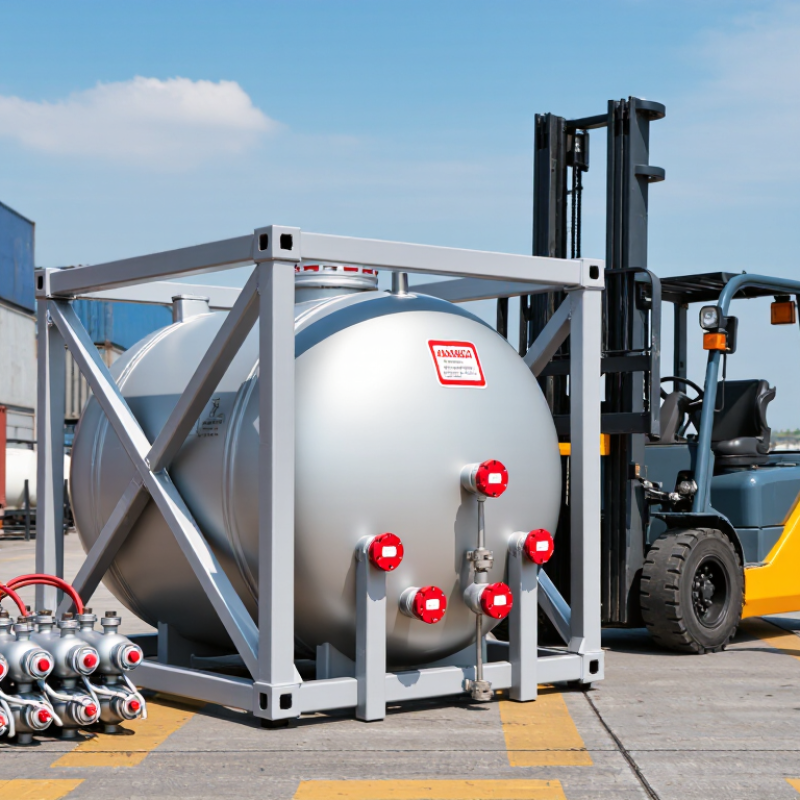
How to Choose an LPG Tank Container for Your Business?

Define Your Business’s LPG Storage and Transport Requirements

How to Choose an lpg tank container for Your Business?
Define Your Business’s LPG Storage and Transport Requirements

Start with measured demand, not a tank’s advertised capacity. Record average and peak daily LPG use, delivery intervals, and the longest likely supply delay. The World LPG Association’s Statistical Review of Global LPG 2024 reports global consumption of about 362 million tonnes in 2023. That scale shows how varied LPG demand is; it does not determine the right container for your site.

Map the full journey. Note loading and unloading locations, road or rail limits, available turning space, and how the container will connect to your equipment. A narrow yard can make a theoretically suitable unit impractical. Check the required working pressure, temperature range, usable fill capacity, and payload against the LPG specification and operating conditions. Keep a margin for demand spikes, but avoid paying to transport capacity that routinely sits unused.

Small details matter. Ask an experienced LPG engineer or qualified supplier to review the demand profile, connection layout, and handling plan before selecting a container. Confirm that its design, inspection records, and fittings suit the locations where it will operate. I would not rely on one month of consumption data alone; seasonal demand can make that estimate misleading. A simple log of deliveries and daily use can reveal the real pattern.

How to Choose an LPG Tank Container for Your Business

Define Your Business’s LPG Storage and Transport Requirements

For a 20 m³ tank container, this comparison estimates the liquid LPG mass at an illustrative 85% fill level, using approximate liquid densities at 15°C. Actual capacity depends on the tank’s certified limits, LPG composition, temperature, and local regulations. Match the container to your expected demand, delivery frequency, and transport constraints.

Compare Tank Container Types, Capacities, and Configurations

A 20-foot LPG tank container is often the practical starting point, with common capacities around 20,000–26,000 litres. Actual usable volume depends on the vessel’s design and required filling limits. Check the tank’s certified pressure rating, tare weight, payload, and route restrictions together; a large shell is not automatically a better choice. Standard tanks suit routine bulk movements, while specialized configurations may add different valve arrangements or discharge connections. Confirm that the receiving site can handle them. Small details matter.

The International Energy Agency’s 2023 report, A Vision for Clean Cooking Access for All, estimates that 2.3 billion people lacked access to clean cooking. That figure points to varied supply needs, but it does not predict demand at your depot. Match tank capacity to shipment frequency, storage space, unloading speed, and seasonal use. Ask suppliers for the vessel’s data sheet and verify compatibility with the product specification and transport route. A second-hand unit may look economical; inspection records and valve condition can change that calculation. I would not choose by nominal volume alone.

Verify Safety Standards and Regulatory Compliance

Before comparing price or capacity, confirm the tank container’s approval covers LPG, its intended gas, and every transport mode on the route. The UN Model Regulations’ portable-tank instruction T50 addresses liquefied gases; the tank’s approval documents should identify the permitted contents and operating limits. Check the data plate against those documents. A mismatch is a serious warning.

For road transport in participating countries, consult the current UNECE ADR and its tank-inspection provisions. ADR 2025 sets periodic inspection intervals of up to five years for many tanks, with intermediate checks often due at 2.5 years; the exact schedule depends on tank type and applicable rules. Ask for inspection certificates, pressure-test records, relief-valve service details, and evidence that required markings remain legible. Dates matter.

Also verify compliance with the rules at loading, unloading, and sea or rail transfer points. A container can meet one jurisdiction’s requirements and still lack approval for another route. The World LPG Association’s safety guidance emphasizes competent handling and maintained equipment, so confirm operator training and written inspection procedures—not just the certificate folder. Paperwork can look complete. I would still check the plate and valve condition in person; records can lag behind repairs.

How to Choose an LPG Tank Container for Your Business? - Verify Safety Standards and Regulatory Compliance

Selection Dimension What to Verify Relevant Standard or Requirement Evidence to Request or Inspect Why It Matters
Applicable LPG and route Confirm the cargo composition, correct shipping description and UN number, intended transport modes, and every country on the route. Applicable dangerous-goods rules may include the IMDG Code for sea, ADR for road in participating countries, RID for rail, and national regulations. Product safety data sheet, cargo specification, route plan, and a written classification review by a qualified dangerous-goods professional. Requirements depend on the substance, transport mode, jurisdiction, and route. LPG mixtures and individual gases can have different classifications.
Tank approval and design Check that the tank’s approval covers the intended gas, design pressure, service conditions, and transport jurisdictions. For an applicable UN portable tank, verify the design and operating conditions against the relevant IMDG Code requirements and portable-tank instruction, such as T50 where applicable. Type-approval certificate, tank data plate, design documentation, and confirmation that the approval remains valid for the proposed service. A general certificate or a tank described simply as “LPG-ready” does not establish approval for every gas, pressure, or route.
Pressure-vessel construction Verify the vessel’s design pressure, design temperature, materials, weld records, and construction code against the cargo and operating conditions. Applicable construction rules vary by tank design and jurisdiction. ASME Boiler and Pressure Vessel Code requirements may apply to certain vessels, but are not a substitute for transport approvals. Manufacturer’s data report where applicable, material certificates, welding and inspection records, and code or conformity documentation. Pressure-vessel construction and dangerous-goods transport approval address related but distinct requirements.
Periodic inspection and testing Check inspection dates, test status, defects, repair history, and whether the tank will remain within its inspection period throughout the planned operation. Inspection and test intervals and procedures depend on the governing transport rules, approval, and tank type. Current inspection and test certificates, permanent tank markings, maintenance records, and records of any repairs or alterations. An expired test, undocumented repair, or damaged pressure-retaining part can make a tank unsuitable or non-compliant.
Pressure-relief devices Verify that relief devices are approved for the service, correctly set, in good condition, and protected from damage or obstruction. Use the requirements applicable to the approved tank design and the governing dangerous-goods rules; do not infer the correct setting from a generic LPG value. Device identification and certification, inspection records, set-pressure documentation, and checks of protective covers and discharge arrangements. Relief devices are critical safeguards. Their selection and settings must match the approved tank design and service.
Valves, fittings, and connections Confirm that liquid and vapour connections, shut-off valves, seals, and fittings are compatible with the cargo and designed for the tank’s pressure and temperature range. Follow the tank approval, applicable transport rules, and the equipment manufacturer’s specifications. Valve and fitting specifications, inspection records, leak-test results where required, and a pre-loading checklist. Damaged, incompatible, or incorrectly connected equipment can cause leaks or prevent safe isolation.
Filling limits and loading controls Determine the permitted filling limit for the actual gas, filling temperature, tank capacity, and applicable rules. Use an approved loading procedure. Apply the governing dangerous-goods code and tank approval; do not use a single assumed percentage for every LPG cargo or operating condition. Documented loading calculation or approved loading instructions, calibrated measurement equipment, and loading and unloading procedures. Liquefied gas expands as temperature rises. Correct filling controls help preserve required vapour space and prevent overfilling.
Intermodal container approval Check the container’s structural condition and approval for the intended modes of transport, lifting, stacking, and handling. The CSC Safety Approval Plate relates to container safety for international transport. ISO 1496-3 addresses specifications and testing for Series 1 tank containers. Legible CSC plate where required, structural inspection records, container identification, and evidence of applicable design and testing approvals. Structural container approval does not, by itself, demonstrate pressure-vessel or dangerous-goods compliance.
Regional conformity requirements Confirm whether additional regional rules apply to the tank, its operation, or its use as transportable pressure equipment. For relevant European operations, ADR and the Transportable Pressure Equipment Directive (2010/35/EU) may apply, depending on the equipment and activity. Applicable conformity assessment and inspection documents, identification markings, and confirmation from the competent authority or qualified compliance adviser. Regional requirements may add obligations beyond the tank’s original design approval or another jurisdiction’s certification.
Emergency readiness and operating controls Ensure staff understand the cargo hazards, isolation procedures, emergency response arrangements, and applicable dangerous-goods documentation duties. Follow applicable transport rules, site procedures, and local emergency-planning requirements. Written operating and emergency procedures, staff training records, required transport documents, and inspection checklists. Safe equipment needs trained operators and practical procedures for loading, transport, unloading, and incident response.

Note: Requirements vary with the cargo, tank design, transport mode, route, and jurisdiction. Confirm current rules and approvals with the competent authority or a qualified dangerous-goods compliance professional before purchase or use.

Assess Materials, Equipment, and Transport Compatibility

Choosing an LPG tank container starts with the material and its intended service conditions. Carbon steel is common, but the exact grade, wall thickness, and protective coating must match the specified pressure range and operating environment. Salt air or frequent washing can expose weak coating at welds and fittings. Look closely there. Ask for material records, inspection documents, and the container’s rated limits; do not rely on appearance alone. A clean surface proves little about its history.

Equipment deserves the same scrutiny. Confirm that valves, pressure gauges, relief devices, and connection sizes suit the planned filling and unloading setup. Check the interface. A fitting that nearly matches is still a mismatch. For transport, compare the container’s dimensions, gross weight, lifting points, and securing arrangement with the vehicle or frame. Measure actual clearance, including hoses and access to operating handles. Review route limits and handling needs with qualified transport and engineering professionals. This can feel overly cautious, but a missed height or weight detail can disrupt a delivery. Recheck the assumptions against the container’s current records; specifications on an old drawing may not reflect later modifications.

Compare Supplier Support, Lifecycle Costs, and Maintenance Needs

How to Choose an LPG Tank Container for Your Business?

A suitable LPG tank container must fit your operating pattern, not just your budget. Estimate annual trips, typical routes, loading frequency, and expected service life. Then ask suppliers how they support commissioning, operator training, spare parts, and technical questions. A clear response process matters when a valve issue delays a scheduled delivery. Ask for realistic service timelines, not only a general promise of support. That matters.

Compare lifecycle costs alongside the purchase price. Include inspections, routine servicing, replacement parts, transport downtime, and the cost of arranging qualified technicians. Request a maintenance schedule and written details about component availability. Small items add up. A container with a lower price may need more frequent attention, while a higher initial cost does not automatically mean lower lifetime expenses. Check the assumptions behind each estimate.

Maintenance needs depend on operating conditions and handling practices. Ask what checks staff can perform safely and which tasks require trained specialists. Confirm that inspection records, equipment instructions, and service support will remain accessible over time. No estimate predicts every delay, and that uncertainty deserves a place in your planning. Compare suppliers using the same route, workload, and service-life assumptions, then review the figures with your operations and maintenance teams.