How to Choose a Mechanical Shaft Seal?
Choosing a Mechanical Shaft Seal is not a catalog exercise. It is a decision about fluid, pressure, speed, temperature, and the consequences of leakage. A seal that fits the shaft may still fail when solids collect at its faces or dry running overheats them. Small details matter. The U.S. Department of Energy’s Improving Pumping System Performance: A Sourcebook for Industry describes how pump-system performance depends on components and operating conditions together. That is a useful reminder: seal selection should begin with the actual duty, not a product label.
For process pumps, API Standard 682 provides established requirements and selection guidance for mechanical seals in petroleum, natural gas, and chemical industries. Its framework helps teams compare seal arrangements, support systems, and operating limits. Still, a standard cannot replace site data. Record the fluid composition, vapor pressure, expected temperature range, shaft movement, and start-stop frequency. Then review flush plans, material compatibility, maintenance access, and the cost of an unplanned shutdown. A clean-water test is not proof of performance in abrasive slurry. A neat selection table can still mislead. I have seen specifications look complete while omitting short dry-running events; those details can change the recommendation.
This guide explains how to match seal type and materials to service conditions, then check installation and support requirements. Use manufacturer performance data and qualified engineering review for critical duties. No single seal suits every pump. The best choice is the one supported by verified operating information, realistic maintenance plans, and a clear understanding of failure risks.
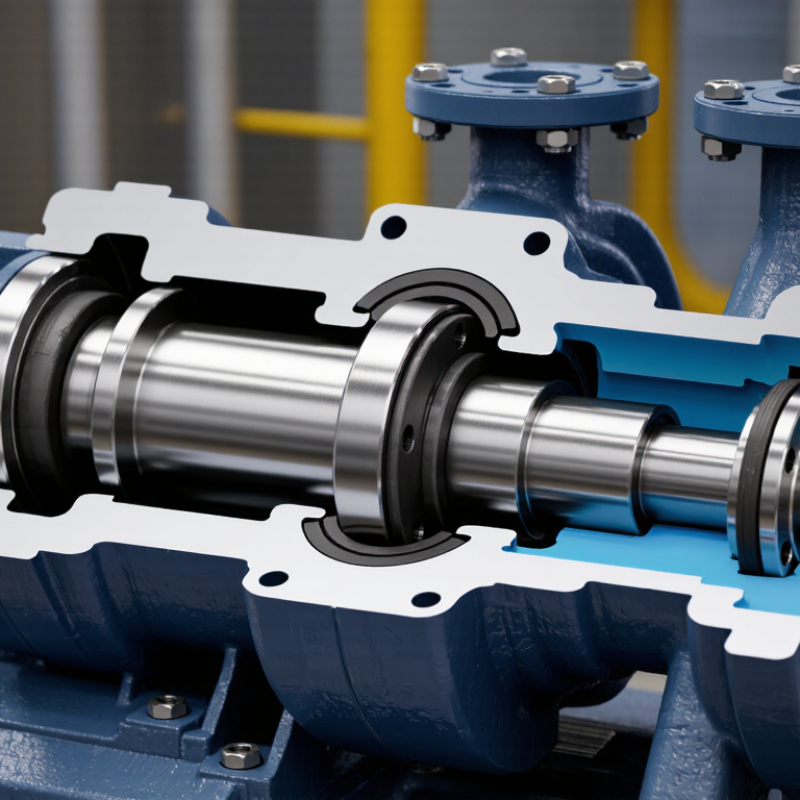
Identify the Equipment and Operating Conditions
How to Choose a Mechanical Shaft Seal?
Identify the Equipment and Operating Conditions
Start by identifying the machine: a centrifugal pump, mixer, or other rotating equipment. Record shaft diameter, speed, seal-chamber dimensions, and whether the shaft moves axially. Check the actual duty, not just the nameplate. A pump handling clean water at steady speed presents a different sealing task from one moving hot slurry through frequent start-stop cycles. Small details matter. Note the fluid’s temperature, pressure, viscosity, chemical composition, and any suspended solids. Measure conditions near the seal chamber where possible; inlet readings may not reflect the seal’s environment. Also check vibration, alignment, and dry-running risk. Do not guess.
Operating data helps distinguish normal service from brief extremes. Record startup peaks, shutdown conditions, flush rates, and changes in flow. The U.S. Department of Energy’s Improving Pumping System Performance: A Sourcebook for Industry (2006) reports that pumping systems use nearly 20% of global electricity. That figure is not a seal-life prediction, but it underscores the value of understanding the full operating point. Recirculation, throttling, or unstable flow can alter temperatures and loads around a seal. Where measurements are missing, flag the uncertainty rather than treating an estimate as fact. A seal choice based on a tidy datasheet can still fail against a rough, real operating cycle.
How to Choose a Mechanical Shaft Seal: Identify the Equipment and Operating Conditions
Water saturation vapor pressure rises sharply with temperature. Check the actual process fluid’s vapor pressure alongside equipment type, shaft speed, pressure, temperature, and fluid characteristics when selecting a seal.
Reference data for water; pressure is absolute. These values are fluid properties, not mechanical-seal operating limits. Verify conditions for the actual fluid and equipment.
Assess the Fluid and Material Compatibility
Assess the actual process fluid before selecting a mechanical shaft seal. A chemical name alone is not enough. Record its concentration, temperature range, pH, viscosity, and any suspended particles. A dilute cleaning solution at room temperature may behave very differently when heated or concentrated. Temperature matters.
Compare the fluid with the seal faces, elastomers, and metal parts. An elastomer that resists a liquid at low temperature may swell, soften, or crack under hotter service. Corrosive fluids can attack metal components, while abrasive particles can score the faces and create a leak path.
Small details matter.
Check both normal operation and brief conditions such as startup, flushing, or a temperature spike. Compatibility charts are useful for screening, but they cannot capture every mixture or operating change.
Data can be messy.
Review supplier material data and test uncertain combinations under representative conditions before committing to a design. Also verify whether the seal may run dry during startup; even a compatible material pair can fail quickly without adequate lubrication. A short test with the real fluid often reveals issues that a neat table misses.
Choose the Seal Type and Arrangement
Choose the Seal Type and Arrangement
Start with the process fluid, not the seal drawing. Record its pressure, temperature, vapor pressure, viscosity, and solids content. A single seal may suit clean, stable service where leakage risks are manageable. For hazardous or volatile fluids, a dual arrangement can provide added containment. A pressurized barrier system maintains pressure above the seal chamber; an unpressurized buffer system serves a different monitoring and containment role. API Standard 682 provides recognized guidance for seal categories, arrangements, and piping plans. Small details matter. Shaft runout, frequent starts, and poor flushing can shorten seal life, even when the selected seal looks suitable.
Match the arrangement to operating conditions and the consequences of leakage. Check whether the barrier fluid is compatible with the process, and confirm that its supply pressure and temperature remain stable. The U.S. Department of Energy’s 2006 report, Improving Pumping System Performance: A Sourcebook for Industry, estimates that pumping systems use nearly 20% of global electrical energy. That figure describes pumps, not seal failures, but it shows why dependable operation matters. In practice, the best choice is not always the most elaborate one. A dual seal can add protection, yet it also adds support equipment and monitoring needs. Be honest about what operators can maintain. A detail that is missed in the specification may become the weak point.
Match Seal Dimensions and Performance Limits
How to Choose a Mechanical Shaft Seal?
Match Seal Dimensions and Performance Limits
A seal can fit the drawing and still fail in service. Measure the shaft diameter, seal-chamber bore and depth, and gland-bolt pattern. Check the seal’s working length against the actual installation, not an old parts list. Record shaft runout and movement, too. A worn sleeve or uneven face can change the picture. Small errors matter.
Then compare operating limits with real process conditions. Check pressure, speed, temperature, fluid chemistry, solids, and startup or shutdown cycles. The U.S. Department of Energy’s Pumping Systems guide estimates that pumping systems use nearly 20% of global electrical energy. That figure makes efficiency worth checking, but it does not predict seal life. For relevant pump applications, API 682 and ISO 21049 provide technical requirements for seal systems; they do not replace application-specific limits. Ask for limits at the actual pressure and speed, not isolated maximum values. Include flush or barrier-fluid conditions where applicable. A tidy datasheet can mislead. Field conditions are rarely tidy. Verify dimensions against the pump drawing and, when possible, a physical measurement before ordering.
Review Installation and Maintenance Requirements
How to Choose a Mechanical Shaft Seal?
Review Installation and Maintenance Requirements
A seal that fits the shaft may still be difficult to install or maintain. Check the equipment drawing for shaft size, operating speed, pressure, and temperature. Then compare those limits with the seal’s documented operating range. Confirm that wetted materials suit the process fluid; small differences in chemistry can affect faces and elastomers.
Plan the installation before opening the seal package. Clean the shaft and seal chamber, remove burrs, and check alignment against equipment tolerances. Keep sealing faces untouched and protected from grit. Cleanliness matters. Follow the specified installation sequence and tightening values, and never force a part that binds. Also verify that the required flush, cooling, or lubrication connections are available. A seal run dry, even briefly, may suffer damage.
Maintenance needs deserve equal attention. Ask whether inspections require dismantling nearby piping, and whether replacement parts can be stored safely. Track leakage, temperature, vibration, and changes in flush flow during operation. A little leakage can be normal for some designs, so use the seal documentation and site baseline to judge changes. No checklist catches everything; record unusual findings, even when they seem minor.
