Contact us

What Is Offset Printing Inspection and Why Does It Matter?

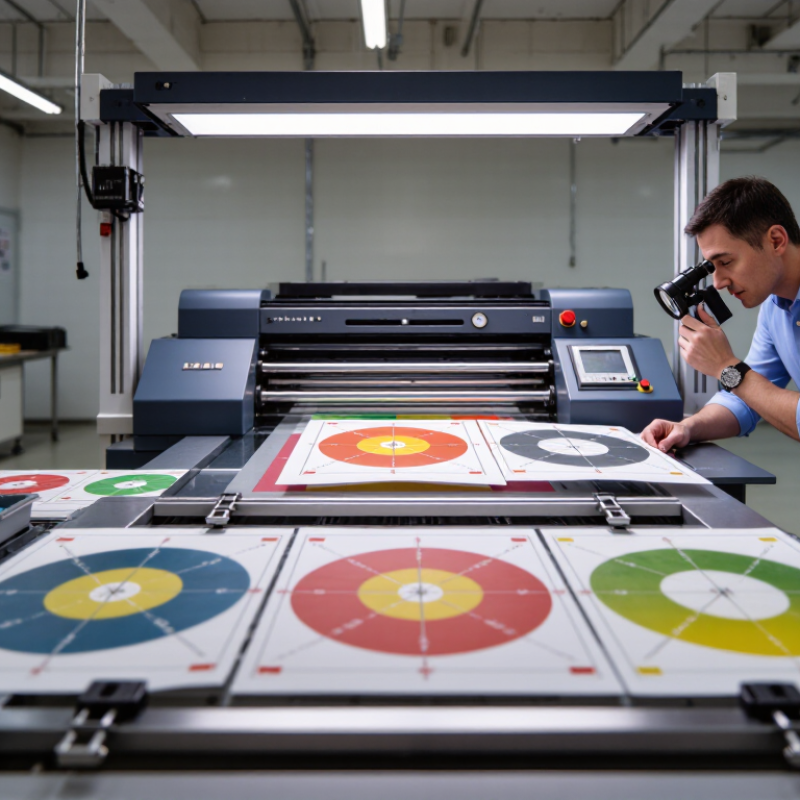
Offset Printing Inspection is the disciplined checking of printed sheets during setup and production. It helps teams catch problems before thousands of copies carry them forward. A press operator may check registration marks, ink density, color balance, and fine details such as small type or thin rules. A slight shift can blur text. A small color change can alter a brand’s appearance.

Quality-management expert W. Edwards Deming offered a useful caution: “Inspection with the aim of finding the bad ones and throwing them out is too late, ineffective, and costly. Quality comes not from inspection but from improvement of the process.” His point matters on a press floor. Inspection can reveal drift, but it cannot replace a stable setup, skilled operators, and clear tolerances. Look closely. Compare sheets against an approved proof and record meaningful changes, rather than relying on memory or a quick glance. The work is practical, and sometimes imperfect: lighting, paper variation, and human judgment can complicate comparisons. That deserves attention, not excuses. A sound inspection routine connects observed defects to adjustments and rechecks. It can reduce avoidable waste, support consistent output, and give buyers clearer evidence of quality. But inspection is not a guarantee. Its value depends on when checks happen, what standards guide them, and whether findings lead to corrective action. Done thoughtfully, it turns a printed sheet into useful feedback—not just a pass-or-fail verdict.
What Is Offset Printing Inspection and Why Does It Matter?

What Offset Printing Inspection Involves

Offset printing inspection checks whether each sheet matches the approved proof and remains stable during the run. Operators examine registration, ink coverage, color balance, and paper condition. A loupe reveals doubled edges or tiny hickeys; a spectrophotometer measures color more consistently than eyesight alone. Small marks matter.

Inspection also uses control strips. Fogra’s MediaWedge CMYK V3.0 contains 72 control fields for assessing print characteristics, including color and tonal values. Measurements can be compared with the applicable process target, such as ISO 12647-2, rather than judged by appearance alone. The exact target depends on the paper and production conditions.

Checks happen at make-ready, during production, and after drying. Inspectors may pull sheets at set intervals, then look for ink variation, misregistration, scumming, or set-off on the reverse. A clean sheet at the press exit is not always a finished result; drying can change how the ink appears. Sampling helps, but it can miss a brief defect between checks. That limitation deserves attention.

What Is Offset Printing Inspection and Why Does It Matter?

Inspection checks printed sheets for defects such as misregistration, color variation, scumming, hickeys, and setoff. Catching problems early helps reduce waste and keep the finished print consistent.

Illustrative example: rejected sheets by primary defect in a 10,000-sheet press run. These figures demonstrate common inspection categories and are not an industry benchmark.

How Inspection Fits Into the Offset Printing Process

Inspection fits between file preparation and finished delivery, not just at the end of a run. Before printing, the team checks plates, paper, ink, and press settings against the approved proof. On press, operators inspect early sheets for color, ink density, registration, and image defects. ISO 12647-2 provides standardized process-control guidance for offset printing, giving teams a shared basis for evaluating color and print conditions. A small registration shift can leave a fine white edge around text or images. Inspection is not magic. A good first sheet can still drift as the press warms or paper changes.

Checks continue at planned intervals, with readings and defects recorded so adjustments are traceable. Operators may use a loupe for fine register errors and instruments for color measurements. The awkward part is that inspection takes time, yet skipping it can let a small fault multiply across hundreds of sheets. The U.S. EPA’s Advancing Sustainable Materials Management: 2018 Fact Sheet reports that 68.2% of U.S. paper and paperboard was recycled that year. That national figure is not a pressroom waste rate, but it underlines why material control matters. A practical inspection routine helps catch problems while there is still time to correct them, rather than discovering them during packing.

Which Print Defects Inspectors Look For

Which Print Defects Inspectors Look For

Offset-print inspectors watch for defects that can hide in a clean-looking sheet. They check registration first: fine text may show colored fringes when plates shift. They also look for hickeys, tiny unprinted spots caused by debris, and scumming, where unwanted ink stains the paper. Slur or doubling can blur letters and soften image edges. Color drift matters too; a neutral gray can turn slightly green as ink and water balance changes. On fresh sheets, inspectors check setoff, when wet ink transfers onto the sheet above. Small defects can multiply across a long run. No inspection catches everything.

The commercial stakes are substantial. Smithers’ report The Future of Global Printing to 2027 estimated the global print market at US$834.3 billion in 2022. That figure covers many print processes, not offset alone, but it shows why consistent quality matters at scale. Inspectors compare sheets against approved proofs and process-control targets, including color and registration, rather than relying on memory. A defect may be subtle under factory lighting, so checks under consistent viewing conditions are important. Even experienced teams can disagree about borderline color. That deserves review, not guesswork.

Tips: Inspect the first sheets, then sample at regular intervals. Use a loupe for registration and hickeys; check color under standardized lighting. Record recurring defects, even when they seem minor.

Methods and Tools Used to Check Print Quality

Offset printing inspection combines close visual checks with measurements taken during setup and production. A trained operator examines a fresh sheet under consistent lighting, comparing it with the approved proof. A loupe can reveal misregistration, fine text loss, hickeys, or doubled edges. Small shifts matter. Registration marks and color control strips help identify whether plates are aligned and ink values are drifting.

Tools add useful evidence. A densitometer checks ink density, while a spectrophotometer measures color more precisely across repeated sheets. Operators may record readings at press start and at regular intervals, then compare them with the job’s target values. Paper grain, surface texture, and drying time can affect what the eye sees, so the stock should be checked too. A measurement is not a verdict by itself. Lighting, instrument calibration, and sampling choices can all influence results; I have seen a sheet look acceptable at arm’s length but show a color cast under neutral light. Inspection reduces avoidable variation, though it cannot make every sheet identical.

What Is Offset Printing Inspection and Why Does It Matter? — Methods and Tools Used to Check Print Quality

Inspection Method Typical Tool What It Checks When It Is Used Why It Matters
Visual sheet inspection Standard viewing light and trained operator Visible smudges, scratches, hickeys, streaks, uneven ink coverage, set-off, and other surface defects During make-ready, press checks, and routine sampling during production Identifies defects that can affect appearance or make sheets unsuitable for finishing and delivery
Color measurement Spectrophotometer Measured color values, such as CIELAB values and color difference relative to an approved target When matching a contract proof, reference sample, or agreed print specification Provides objective color data instead of relying only on visual judgment; lighting and measurement conditions should be consistent
Ink density measurement Reflection densitometer Optical density of printed ink in designated control areas During press setup and production monitoring where density targets are specified Helps the press team monitor ink strength and maintain more consistent printing; density alone does not describe the full appearance of a color
Register inspection Registration marks viewed with a loupe or measured with an imaging system Alignment of the separate color plates and position of the printed image on the sheet At press startup, after adjustments, and during checks for register drift Misregister can produce colored fringes, blurred edges, or inaccurate image placement
Screen and detail examination Print loupe or microscope Halftone dots, fine lines, small type, edge definition, and signs of dot gain or plugging When fine detail, screened images, or small text needs closer examination Reveals defects that may be difficult to see with the unaided eye, particularly in fine tonal areas
Print-to-proof comparison Approved proof and controlled viewing booth Overall color appearance, tonal balance, image content, and consistency with the approved reference During press approval and when evaluating changes over a production run Confirms that the printed result follows the agreed visual reference under suitable viewing conditions
Sheet position and trim check Ruler, measuring gauge, or camera-based inspection system Image position, margins, bleed, and alignment to sheet or finishing marks Before and during production, especially for work that will be cut, folded, or bound Helps prevent layout errors and problems during downstream finishing
Surface and rub-resistance check Rub tester or controlled manual rub test Ink transfer, scuffing, or surface wear under a defined test procedure For jobs where handling, packaging, coating, or delivery conditions make surface durability important Can highlight the risk of marking or ink transfer; results depend on the paper, ink, coating, drying, and test conditions
Automated defect inspection Camera-based sheet inspection system Image differences, missing print, spots, streaks, and repeated or localized defects On production lines requiring rapid inspection of sheets or printed webs Supports consistent, high-speed checks, while setup and review are still needed to distinguish defects from acceptable print variation

Note: Acceptance limits should be agreed for the job and assessed against the approved proof, print specification, substrate, and measurement conditions. No single tool checks every aspect of print quality.

How Inspection Reduces Waste and Protects Consistency

What Is Offset Printing Inspection and Why Does It Matter?

Offset printing inspection helps catch defects while a job is still on press. Operators check registration, ink density, color balance, and surface quality against an approved proof. A slight plate shift can create colored edges around small text. Ink buildup may turn fine details muddy. Early checks limit the number of sheets that need reprinting and keep later copies closer to the first approved sheet. That matters. Consistency is built during the run, not just judged at the end.

Tips: Inspect a fresh sheet after setup, then repeat checks at planned intervals. Compare the same solid areas and fine details each time. Keep sample sheets and inspection notes together; they make changes easier to trace.

A practical inspection routine also helps teams respond before a small drift becomes a large stack of waste. If a color begins to look dull, check ink and water balance before making broad adjustments. Record what changed and what improved. Not every variation is obvious under pressroom lighting, so use consistent viewing conditions where possible. Still, inspection is not perfect. A quick visual check can miss subtle shifts, and overly frequent adjustments can create new ones. Careful measurement, clear records, and a little restraint protect both material and repeatability.