Choosing a 250 Cc Dirt Bike is not just a question of engine size. Seat height, power delivery, suspension setup, and maintenance history can matter more on the trail than a specification sheet suggests. A bike that feels manageable beside a showroom ramp may feel very different on loose rock or a steep, rutted climb.
Industry reports can help, but their limits matter. The Motorcycle Industry Council’s annual statistical reporting tracks motorcycle categories and market activity; it does not provide a reliable, model-by-model score for every 250 cc dirt bike. The U.S. Consumer Product Safety Commission’s injury surveillance also offers useful safety context, not a verdict on any particular model. Treat broad data as background. Inspect the individual bike.
Experience counts. Roger De Coster, a five-time 500cc motocross world champion, is widely quoted saying, “If everything seems under control, you’re not going fast enough.” For a buyer, the lesson is not to chase speed blindly. It is to choose a machine that matches your skill, terrain, and ability to manage its power. A calm test ride can reveal more than a bold sales claim.
Look closely. Check cold-start behavior, leaks around the fork seals, chain wear, and frame damage near welds. Ask for service records, then verify the details. A polished plastic kit can hide hard use. And sometimes, the honest answer is that the bike is simply too tall or too aggressive for you. This guide’s ten tips will help you assess fit, condition, costs, and intended use before making a confident, informed choice.
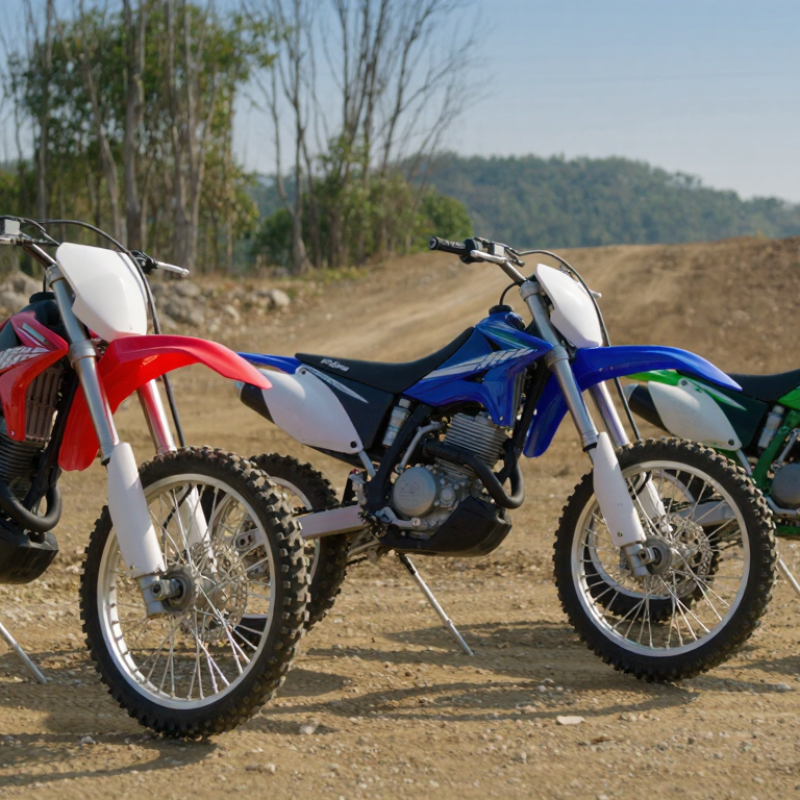
Before buying a 250 cc dirt bike, picture where you will actually ride. A narrow wooded trail has different demands from a wide dirt track or open, uneven ground. Think about typical hills, loose gravel, mud, and tight turns. A powerful engine is not automatically a better fit. On technical trails, manageable throttle response and a comfortable riding position can matter more than top speed.
Tip: Match the bike to your regular terrain, not an occasional adventure. If you can, sit on a few bikes and check whether your feet reach the ground comfortably. Consider your skill level honestly. A 250 cc bike may feel approachable to some riders, yet demanding to others, especially on steep climbs or slippery surfaces. Short practice sessions on familiar ground can reveal more than a quick showroom impression.
Also define your purpose: weekend trail rides, track practice, or learning basic off-road control. Check seat height, weight, suspension feel, and maintenance needs against your experience and physical comfort. A spec sheet cannot tell you how a bike will feel after an hour of riding. It is easy to overlook that. Ask an experienced instructor or mechanic to help assess fit, and test ride only where permitted, with suitable protective gear. You may change your mind after trying one; that is useful information, not a mistake.
| # | Tip | What to Consider | Practical Check | Buying Guideline |
|---|---|---|---|---|
| 1 | Define your riding purpose | Motocross tracks, trails, enduro routes, and general off-road riding place different demands on a bike. | List where you expect to ride most often and whether you need lights, road registration, or a quieter exhaust. | Choose a bike designed for your primary use; track-focused models and trail-focused models can differ substantially in gearing, suspension, and equipment. |
| 2 | Match the bike to the terrain | Open, fast terrain rewards stable handling, while tight woods and rocky trails call for manageable power and low-speed control. | Consider typical trail width, surface, steepness, obstacles, and how often you ride in mud or sand. | For technical trails, prioritize predictable throttle response, suitable gearing, and a manageable overall feel over peak power. |
| 3 | Be honest about your skill level | A 250 cc engine can feel very different depending on engine type, tuning, gearing, and the bike’s intended use. | If possible, sit on or test-ride comparable bikes and assess whether you can control the power smoothly at low speed. | Newer riders should prioritize controllability and confidence. Engine displacement alone does not determine how easy a bike is to ride. |
| 4 | Check fit and seat height | Seat height and riding position affect comfort, balance, and confidence when stopping or maneuvering. | Wear your riding boots, sit on the bike, reach the controls, and check whether you can move it comfortably while standing. | Compare the manufacturer’s published seat-height and weight specifications, but use an in-person fit check because suspension sag and rider proportions matter. |
| 5 | Understand the engine and maintenance | Four-stroke and two-stroke engines have different power characteristics and service needs; schedules vary by model and use. | Ask for the owner’s manual, maintenance records, and details of recent oil, filter, valve, piston, or other scheduled service. | Use the exact model’s service schedule rather than a generic interval. Frequent hard riding, dust, and competition can increase maintenance needs. |
| 6 | Evaluate suspension and brakes | Suspension setup should suit rider weight, pace, and terrain. Brake condition affects control and stopping performance. | Check for oil leaks, damaged fork tubes, worn seals, unusual noises, lever play, and visibly worn pads or discs. | Budget for setup or repairs if the suspension is not suited to your weight or riding. A qualified mechanic can inspect uncertain components. |
| 7 | Inspect a used bike carefully | Cosmetic appearance alone does not show the condition of the engine, frame, bearings, or suspension. | Look for frame cracks or repairs, bent controls, loose bearings, damaged wheels, leaks, and signs of neglected maintenance. | Request a cold start and a test ride where safe and permitted. If you cannot assess its condition, arrange an independent inspection. |
| 8 | Confirm ownership and intended-use rules | Registration, title, emissions, noise, and trail-access requirements depend on location and the specific motorcycle. | Verify the vehicle identification number and ownership documents, then check local rules for the places where you plan to ride. | Do not assume an off-road motorcycle is street-legal or permitted on every trail. Confirm requirements with the relevant local authority. |
| 9 | Budget beyond the purchase price | Protective equipment, transport, fuel, maintenance, tires, and possible repairs add to the total cost of ownership. | Price a properly fitting helmet, boots, gloves, eye protection, protective clothing, and any tools or transport you need. | Set aside funds for routine upkeep and unexpected repairs instead of spending the entire budget on the motorcycle. |
| 10 | Compare candidates with a checklist | Price should be weighed against condition, service history, fit, intended use, and the cost of bringing the bike up to standard. | Record each candidate’s year, hours or mileage if available, service evidence, known issues, included equipment, and asking price. | Compare like with like, verify claims where possible, and walk away if ownership, condition, or safety concerns cannot be resolved. |