Contact us

7 Tips for Choosing Venous Ulcer Dressings

Venous Ulcers are not simply open wounds; they often reflect chronic venous hypertension, fragile skin, and impaired healing. The NHS reports that leg ulcers affect about 1 in 500 people in the UK, rising to around 1 in 50 among people over 80. The burden is visible in small details: a damp dressing, sore skin at the wound edge, or leakage that disrupts sleep.

Choosing a dressing is only one part of care. The 2022 European Society for Vascular Surgery guidelines emphasize compression therapy for suitable patients with venous leg ulcers, alongside assessment of the underlying venous disease. Dressings help manage exudate, protect the wound bed, and support comfort beneath compression. They do not replace clinical assessment, circulation checks, or a plan for follow-up.

Evidence is not always decisive. A 2018 Cochrane review found uncertainty about whether particular dressing types heal venous ulcers better than others. That matters. It means product choice should be guided by wound characteristics, patient tolerance, cost, and practical use—not by impressive packaging alone. Even a well-selected dressing can fail if it sticks, leaks, or is changed too often.

This guide presents seven practical tips for choosing venous ulcer dressings. It considers exudate, wound condition, skin sensitivity, compression compatibility, and review intervals. The right choice may change as the wound changes. That is easy to overlook. Healthcare professionals should tailor treatment to each patient and reassess progress regularly.
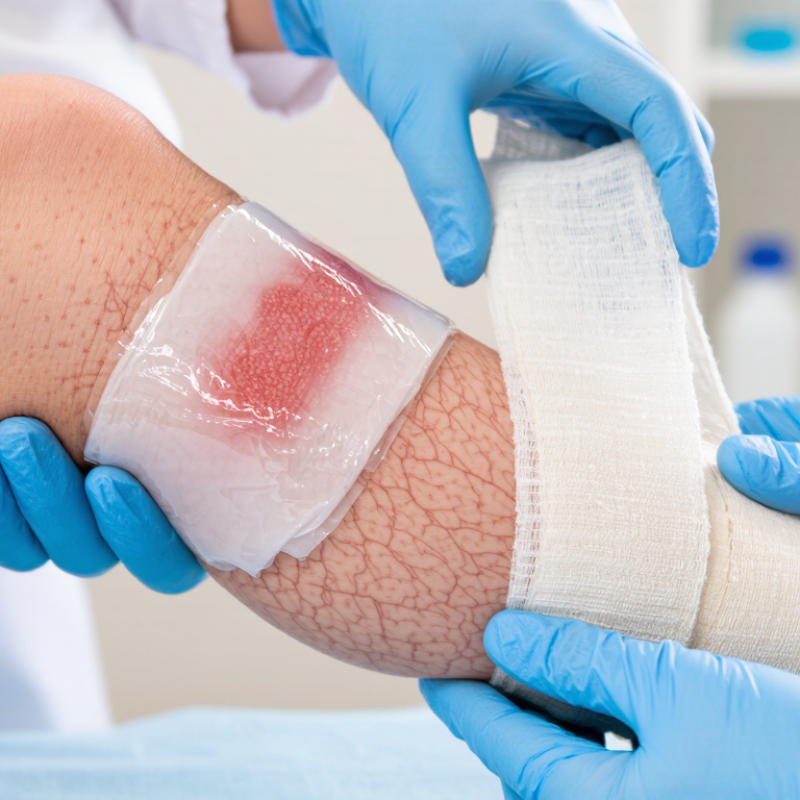
7 Tips for Choosing Venous Ulcer Dressings

Understanding Venous Ulcers and the Role of Dressings

Understanding Venous Ulcers and the Role of Dressings

Venous ulcers often develop around the lower leg or ankle when blood flow back to the heart is impaired. The skin may look fragile, and the wound can produce persistent fluid. Dressings help manage moisture, protect the wound, and reduce discomfort during changes. They do not correct the underlying circulation problem. Compression may be part of care, but a clinician should assess circulation and suitability first.

Tips: Match absorbency to the amount of wound fluid. Choose a dressing that stays in place without sticking to delicate tissue. Check the surrounding skin for sogginess, redness, or irritation. Small details matter.

A wound that is too wet may need a more absorbent option; a dry wound may need support that prevents tissue from drying out. There is no single best dressing for every ulcer. The choice may need to change as the wound and drainage change, and that can be easy to overlook. Gentle removal helps limit pain and skin damage. Regular review by a qualified health professional can guide dressing choices and identify changes that need attention.

Assessing Wound Depth, Exudate, and Surrounding Skin

Venous ulcer dressings should match the wound, not a fixed routine. Tip: Check depth gently during assessment. A shallow wound may need a contact layer, while a deeper cavity may require loosely placed material. Never pack it tightly. A clinician can assess the wound and advise on dressing choice, especially if its depth changes.

Tip: Estimate how much fluid the dressing absorbs between changes. Heavy exudate can soak through and soften nearby skin; a more absorbent dressing may help manage moisture. Very dry wounds may need a different approach. It is not always obvious at a glance, so note leakage, odor, and how the wound looks after removal.

Tip: Inspect the surrounding skin, too. Look for whitening, redness, scaling, or tenderness near the wound edge. A barrier product may help protect fragile skin, but avoid applying products into the wound unless advised. Recheck the fit and comfort after dressing. Small changes matter. If pain, warmth, spreading redness, or drainage worsens, seek clinical advice. Dressings support care; they do not replace assessment or compression recommended by a qualified professional.

7 Tips for Choosing Venous Ulcer Dressings - Assessing Wound Depth, Exudate, and Surrounding Skin
Tip What to assess Dressing approach to consider Practical guidance
1. Match absorbency to exudate Estimate whether drainage is light, moderate, or heavy, and check whether the dressing is becoming saturated between changes. For moderate-to-heavy exudate, consider an absorbent foam, hydrofiber, or alginate dressing. For light exudate, a less absorbent contact layer or foam may be sufficient. Choose a dressing that manages moisture without leaving the wound bed dry or allowing fluid to leak onto surrounding skin. Change it when saturated, leaking, or otherwise due under the care plan.
2. Check wound depth and shape Note whether the ulcer is shallow or has a cavity, undermining, or irregular edges. A conformable contact layer or foam may suit a shallow wound. A cavity may need a dressing designed for gentle filling, such as a ribbon-form alginate or hydrofiber, when clinically appropriate. Fill cavities loosely and only as directed; do not pack tightly. Ensure that any inserted material can be removed in full and documented.
3. Protect fragile wound tissue Look for granulation tissue, new epithelial growth, pain during removal, or tissue that bleeds easily. Consider a non-adherent contact layer, soft silicone contact layer, or atraumatic foam to reduce sticking and removal-related trauma. Moisten a dressing that has adhered before removal if appropriate. Avoid unnecessary dressing changes that may disturb healing tissue.
4. Protect the surrounding skin Check for maceration, moisture damage, irritation, or fragile skin around the ulcer. Use a skin barrier film or suitable barrier product on intact periwound skin. Select a dressing that can contain drainage and minimize adhesive contact with fragile skin. Keep adhesive products off the wound bed. If the skin is becoming white, soggy, or irritated, reassess absorbency, dressing fit, and change frequency.
5. Consider the leg’s contours and dressing security Assess the location of the ulcer, leg shape, mobility, and whether the dressing stays in place beneath any compression system. Choose a flexible dressing that conforms to the site and is compatible with the planned compression bandage or garment. Avoid bulky layers that create pressure points or interfere with compression fit. Secure dressings without constricting the leg.
6. Use antimicrobial dressings selectively Look for clinical signs that may indicate infection, such as spreading redness, increasing warmth or pain, new or worsening purulent drainage, or systemic symptoms. Antimicrobial dressings may be considered for a defined clinical indication and a time-limited trial, with regular review. Do not use antimicrobial dressings routinely on every venous ulcer. Suspected infection requires clinical assessment; a dressing alone is not a substitute for appropriate treatment.
7. Review response and the overall care plan Track wound area and depth, exudate, surrounding skin, pain, and dressing performance at regular reviews. Continue, adjust, or change the dressing according to the wound’s progress and the clinician’s plan. Dressings support wound care but do not correct venous hypertension. Compression is commonly central to venous ulcer management when appropriate; arterial circulation should be assessed and compression selected by a qualified clinician.

Clinical note: Dressing choice should be individualized to the wound and the person’s needs. Seek prompt clinical assessment for rapidly worsening pain, spreading redness, fever, significant bleeding, or sudden deterioration. This table is for general educational use and does not replace professional assessment.

Matching Dressing Materials to Wound Needs

7 Tips for Choosing Venous Ulcer Dressings
Matching Dressing Materials to Wound Needs

A dressing should manage fluid, protect fragile skin, and fit comfortably beneath compression. Match it to what the wound is doing today. For heavy exudate, an absorbent dressing such as an alginate or hydrofiber may help limit leakage and soggy wound edges. For lighter drainage, a thinner contact layer may reduce bulk and discomfort. Check the surrounding skin at each change; persistent wetness can leave it pale, soft, and easily damaged. Compression remains central to venous ulcer care, but clinicians should assess circulation before applying it.

Evidence does not support choosing a material by habit alone. A 2018 Cochrane review examined 78 randomized trials involving 7,014 participants and found no reliable evidence that one dressing type heals venous ulcers better than another when used with compression. The evidence was generally uncertain. That matters. Choose based on drainage, pain, skin condition, wear time, and how easily the dressing can be removed—not on impressive packaging claims. If infection is suspected, seek clinical assessment rather than relying on an antimicrobial dressing by default. In practice, a dressing that looks ideal at the bedside may leak after a day of walking. Recheck, adjust, and admit when the first choice was wrong.

Considering Compression, Comfort, and Ease of Use

A venous ulcer dressing must work with compression, not compete with it. The wrap or stocking supplies the pressure; the dressing protects the wound and manages fluid. In the VenUS IV trial, 457 participants received compression hosiery or four-layer bandaging. About 71% healed within 12 months in either group, with median healing times of 99 and 98 days, respectively (Ashby et al., Health Technology Assessment, 2014). The figures are close. They do not mean every option feels equally comfortable.

Look for a dressing that stays flat beneath the chosen compression and does not bunch at the ankle. For a heavily draining wound, an absorbent dressing may reduce leakage; for a drier wound, excess absorbency can make removal uncomfortable. Check the skin around the ulcer, too. Adhesive borders can irritate fragile skin, while a dressing that shifts may rub during walking. Small details matter. Ease of use matters as well: a simple shape and clear change instructions can help caregivers avoid disturbing the wound unnecessarily. Compression needs proper assessment and fitting by a trained clinician, especially when circulation is uncertain. One imperfect reality: the most absorbent dressing is not always the easiest to wear. Reassess comfort, leakage, and skin changes at each dressing review.

7 Tips for Choosing Venous Ulcer Dressings

Consider compression, comfort, and ease of use

Use this as a practical checklist, not a ranking of dressing effectiveness. Compression should be selected by a qualified clinician after vascular assessment. Choose a dressing to manage wound fluid, protect surrounding skin, and support comfortable, low-trauma changes.

Monitoring Healing and Adjusting the Dressing Plan

Monitor the ulcer at each dressing change, using the same simple measures: length, width, depth when appropriate, drainage, skin condition, and pain. Record measurements in centimeters and note whether the wound bed looks red, yellow, or newly darker; lighting can distort color, so consistency matters. Take photos only with consent and according to the care team’s privacy process. Small changes matter.

Compare notes week to week rather than judging healing from one visit. A shrinking wound, less drainage, and calmer surrounding skin can suggest progress, but they do not prove the cause. If pain rises, redness spreads, warmth increases, drainage becomes foul, or fever develops, contact a clinician promptly. These signs need assessment, not guesswork.

Adjust the dressing to what the wound is doing. Heavy fluid may require a more absorbent option or more frequent changes; a dry wound may need protection that avoids sticking. Protect surrounding skin from moisture, and use compression only as prescribed for venous disease. Never change compression pressure on your own. Stay observant. A brief log of dressing type, change interval, leakage, and comfort helps the clinician refine the plan. Measurements are not perfect: ruler placement and swelling can vary, so mention unusual readings rather than forcing a neat trend.