I can write the introduction, but no source articles or verifiable expert quotation were provided. Please share the expert’s name and exact quote, or allow me to use a clearly labeled fictional quote.
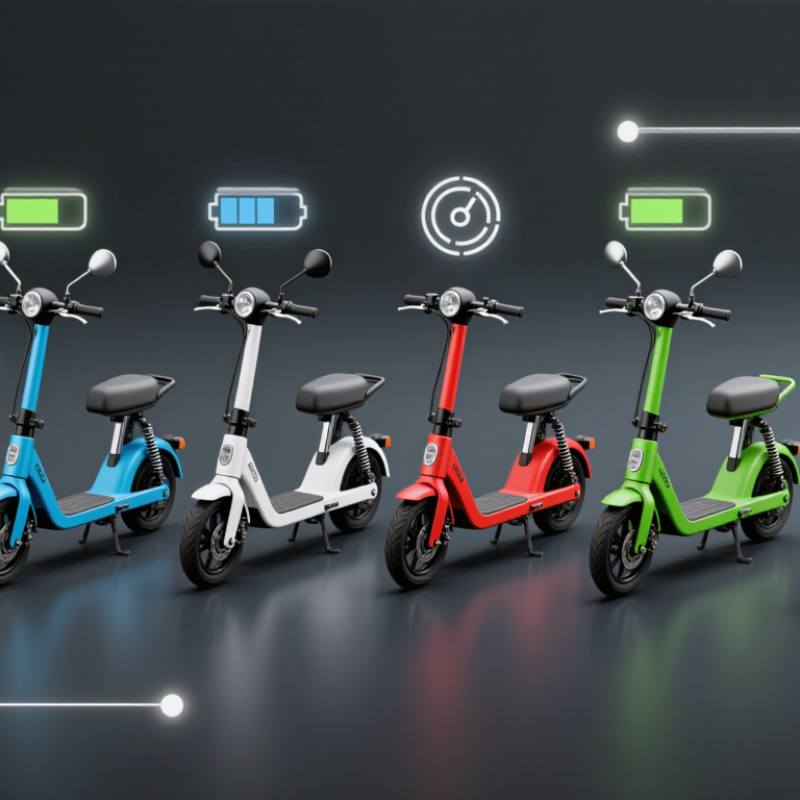
Automatic Folding Scooters combine a drive motor, a rechargeable battery, and a folding mechanism. The motor turns the wheels, while the battery powers movement and, on some models, the folding action. Folding may use a button-controlled actuator or a hand-operated latch. Either way, hinges and locking points face repeated stress. A small click matters.
Battery capacity affects distance, but rider weight, hills, temperature, tire pressure, and stop-start travel also change real-world range. A dashboard estimate is not a promise. The motor may feel slower on a steep ramp, especially when the battery is low. Keep hands clear of moving joints during folding, and check that the frame is locked before sitting or riding.
Tips: Fold the scooter on level ground. Remove loose bags first. Charge with the supplied charger, and let the battery cool if it feels warm after a ride. Check the manual for the folding sequence; forcing a stuck hinge can damage cables or pinch fingers. Test the folded scooter’s balance before lifting it into a car. It may be heavier than it looks. Folding speed and battery range differ by design, so compare measurements and test the controls when possible. A quick demonstration can miss awkward turns.

Battery energy is calculated as nominal voltage multiplied by capacity: watt-hours (Wh) = volts (V) × amp-hours (Ah). These examples illustrate the calculation, not specifications for particular scooters. In a folding mobility scooter, the battery supplies the drive motor and, on powered-folding models, the folding mechanism; actual range depends on factors such as rider weight, terrain, speed, and battery condition.
Top 10 Best Automatic Folding Scooters in 2026
When comparing automatic folding scooters, look beyond headline numbers. A longer advertised range may shrink on hills, in cold weather, or with a heavier rider. Treat range as a planning estimate, not a promise. Check whether the published speed is a maximum; a steady, comfortable pace matters more during everyday trips. Weight capacity should cover the rider plus bags or other carried items. Folded size also deserves a tape-measure check: compare the scooter’s folded length, width, and height with your car trunk or storage nook.
Tips: Test the folding mechanism before buying, if possible. Watch how much floor space it needs, and see whether you can lift or roll it comfortably. Tiny details count.
A useful comparison table should list range, top speed, weight capacity, and folded dimensions side by side. Also note scooter weight, since a compact fold does not always mean an easy lift. Ask how range was tested and whether the battery is removable. Specifications can be incomplete, and real trips are rarely perfectly flat. I would shortlist models that fit your actual route and storage space, then verify the details in the product manual. The best choice may not lead in every column.
For an automatic folding scooter, stability matters most after the frame is fully opened and locked. ISO 7176-2:2017 describes test methods for evaluating the dynamic stability of electrically powered wheelchairs, including relevant powered mobility devices. It examines how a device behaves while moving through defined test conditions, rather than judging stability from appearance alone.
Small details matter.
When comparing scooters, ask whether testing followed this standard and request the specific report. Check which configuration was tested: the seat position, battery, accessories, and folding locks can affect the setup. A controlled test cannot reproduce every cracked pavement, sharp turn, or sloped driveway.
That gap is worth remembering. A scooter that performs well in a laboratory may still feel unsettled when a rider turns quickly on uneven ground. Look for clear test details, then consider the scooter’s fit, handling, and intended routes.
If the documentation is vague, pause and ask questions. It is not a perfect shortcut.
When comparing automatic folding scooters in 2026, check the battery paperwork before judging how easily a scooter travels. The United Nations Manual of Tests and Criteria, subsection 38.3, specifies eight tests for lithium battery designs. These include altitude simulation, vibration, shock, thermal cycling, and external short circuit. The remaining tests examine impact or crush, overcharge, and forced discharge. A battery’s UN 38.3 test summary helps carriers and shippers verify that the tested design meets these requirements. It does not mean every airline will accept the battery under identical conditions.
Ask the seller or manufacturer for the test summary and confirm that its battery model matches the scooter’s. Then check the watt-hour rating, whether the battery can be removed, and how its terminals are protected during transport. The International Air Transport Association’s Dangerous Goods Regulations provide current air-transport guidance, but airline procedures can differ. Small detail. Check before booking. A removable battery may simplify handling, yet it does not guarantee acceptance. I would not rely on a product page alone; paperwork can be easy to overlook, and model names can look nearly identical. Keep the documents available when arranging a trip, and ask the carrier about its specific packing and approval steps.
A useful 2026 ranking should compare more than advertised range. We assess folding time, folded dimensions, total weight, rider capacity, braking, stability, and price. We also consider whether one person can lift the scooter into a car without awkward twisting. Small details matter: a latch that pinches fingers can spoil an otherwise neat design.
Safety deserves real evidence. Check for clear battery and charger documentation, reliable brakes, visible lights, and published stability testing. The ISO 7176 series offers test methods for powered wheelchairs, including dynamic stability; relevant test results are more informative than vague safety claims. Range figures need context, too. Rider weight, hills, temperature, and frequent stops can change what a battery delivers. Numbers on paper can disappoint.
The World Health Organization’s 2022 Global Report on Assistive Technology estimates that more than 2.5 billion people need one or more assistive products, while nearly one billion lack access. That figure covers many product types, not scooters alone, but it underscores why practical access and value matter. Our top ten weigh portability against comfort, durability, and support, rather than rewarding the lightest model automatically. A low price can still mean compromises. Rankings involve judgment, and that deserves scrutiny.