Contact us

China Top 10 Hose Combination Manufacturers、】【

Choosing a supplier from a “China Top 10 Hose Combination Manufacturers” guide can be a useful starting point, but a ranked list is not a substitute for technical checks. A Hose Combination may bring together different hose materials, fittings, diameters, or connection methods to suit a specific operating setup. Small details matter. A fitting that appears compatible on paper may still require confirmation against the hose’s pressure rating, temperature range, media, and installation conditions.

This introduction sets out a practical way to assess manufacturers, including their product range, customization process, quality controls, communication, and ability to provide clear technical documentation. Look for precise specifications, consistent sample quality, and answers that address your actual application rather than broad promises. Ask how orders are inspected and how changes are handled. Verify claims directly with each supplier; available evidence can vary, and public information may be incomplete. That is worth remembering.

No shortlist can guarantee the right fit for every buyer. Requirements differ by industry, equipment, and local standards, so comparisons should reflect your own use case. A lower quote may not include the same materials, testing, or service. Nor does a polished website prove manufacturing capability. Use the manufacturers covered in this guide as candidates for further review, then compare documented details and request clarification where needed. The process is not perfect, but careful questions can reduce avoidable mismatches.
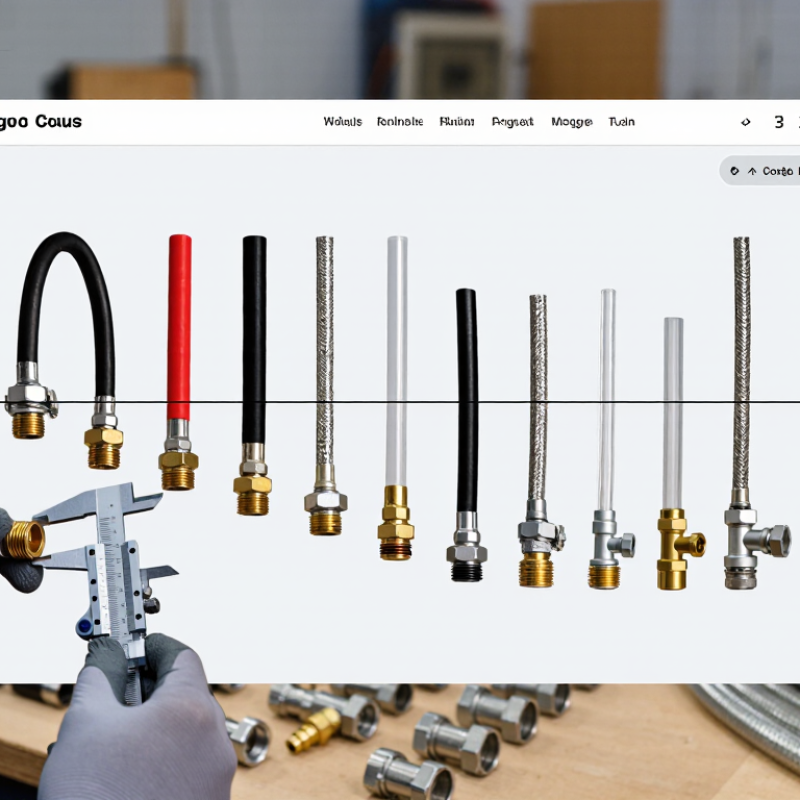
China Top 10 Hose Combination Manufacturers、】【

Hydraulic Hose Assemblies: DN 6–DN 51 Sizes, Layers and Fittings

Hydraulic hose assemblies from DN 6 to DN 51 cover very different flow and installation needs. DN 6 lines can fit compact machinery, while DN 51 assemblies are often used where larger flow capacity is required. The nominal size alone does not determine suitability. Check the hose’s working pressure, temperature range, fluid compatibility, and bend radius against the equipment requirements. A small line forced around a sharp corner can wear against a frame. It may fail sooner than expected.

Hose construction matters too. Reinforcement layers may use braided wire or spiral-wound wire, depending on the design and pressure demands. More layers do not automatically make an assembly right for every system. Fittings must match the hose type, connection standard, thread, and sealing method. A mismatched fitting can leak even when the hose itself is correctly selected. Fit matters. During inspection, look for loose couplings, cracked covers, exposed reinforcement, and kinks near the ends. Record the assembly size and fitting details before replacement. Check twice. A tidy crimp can look reassuring, but appearance alone cannot confirm that an assembly meets its specified pressure rating. Proper technical data and installation records are still needed.

SAE J517 100R Types and ISO 18752: Pressure and Impulse-Test Benchmarks

For hydraulic hose buyers, SAE J517 100R designations and ISO 18752 ratings answer different questions. SAE J517 identifies construction and performance requirements for specific hose types; a 100R label alone does not establish suitability for every pressure cycle. ISO 18752 uses pressure classes, with specified working pressures spanning approximately 3.5 to 42 MPa. It also sets impulse-performance requirements under defined test conditions. Check the exact hose size and type: ratings can change with bore and construction. Small detail, big consequence.

Impulse life matters where a line repeatedly sees pressure spikes, such as near a pump or valve block. ISO 18752 benchmarks hoses through controlled impulse testing, while SAE J517 requirements are type-specific and linked to standardized test methods. Compare the test pressure, temperature, and required cycles, not just the headline working-pressure figure. A hose rated at 21 MPa is not automatically equivalent to another 21 MPa hose under repeated pulses. For a credible comparison, request the test report and confirm the tested assembly matches the intended fittings and operating conditions. The paperwork can still leave questions; field routing and heat exposure deserve separate review.

China’s Top 10 Hose Combination Manufacturers: Company and Product Profiles

A credible profile of China’s leading hose-combination manufacturers should compare more than catalog size. It should identify hose types, reinforcement materials, fittings, pressure ranges, and whether assemblies are tested as complete units. Grand View Research estimated the global industrial hose market at USD 13.09 billion in 2023, with projected annual growth of 5.1% from 2024 to 2030. This signals demand across sectors, but does not prove that any individual supplier meets a buyer’s requirements.

For each of ten manufacturers, useful company and product profiles should distinguish hydraulic, water, air, and chemical-transfer applications. Look for stated working pressure, temperature limits, bend radius, and fitting compatibility. Ask how samples are inspected and whether test records are available. Details matter. A neat product table can hide important gaps: public catalogs may not explain batch variation, service life, or test methods. Buyers should verify those points directly and compare equivalent specifications, not just headline prices. Without independent factory audits, a profile remains a screening tool, not a performance guarantee.

China’s Hose Combination Manufacturers: Common Industrial Hose Sizes

These bars show common nominal hose sizes in inches. Millimeter values are exact inch-to-millimeter conversions; they describe standard size references, not manufacturer-specific product ranges or market shares.

Compare Manufacturers by Working Pressure, Temperature Range and Bend Radius

When comparing hose combination manufacturers, look beyond the maximum working-pressure figure. Check whether the stated rating applies to the complete assembly, including fittings, or only to the hose. A pressure chart is useful, but the test conditions matter. Ask for documented ratings and clear guidance on pressure surges. Small details count.

Temperature range deserves the same scrutiny. A hose may tolerate hot fluid but perform differently in cold surroundings, especially during startup. Compare the specified minimum and maximum temperatures with the actual fluid and ambient conditions. Then check whether pressure capacity changes across that range. It often does.

Bend radius affects routing, service life, and installation space. Compare the minimum radius under working conditions, not just a neat drawing on a catalog page. A tight turn beside a pump can flatten a hose or strain its connections. Measure the real route, including movement and vibration. There is no perfect comparison. Some specifications use different test methods, so ask manufacturers to explain their figures before treating them as equivalent.

Application Match: Hydraulic, Industrial and High-Pressure Hose Assemblies

Matching a hose assembly to its application begins with the working conditions, not the catalog photo. Hydraulic lines need to handle operating pressure, pressure spikes, fluid type, and temperature changes. A compact machine may also need a tighter bend radius without kinking the hose. Check the hose’s pressure rating and confirm that the fittings suit both the hose and the equipment ports. Good manufacturers should provide clear specifications and test records. Numbers matter.

Industrial assemblies face different demands. A washdown line, a pneumatic tool, and a hot-fluid transfer system may all need different cover materials and reinforcement. High-pressure service calls for particular care: inspect the full assembly rating, connection style, and installation route, not just the hose itself. Small details matter. Measure the available length and note nearby heat sources or moving parts before ordering. Field measurements are rarely perfect, and that is worth admitting. Rechecking a drawing against the installed machine can prevent a hose from rubbing on a frame or pulling at a fitting. The match should make sense in real use, not merely on paper.

China Top 10 Hose Combination Manufacturers — Application Match: Hydraulic, Industrial and High-Pressure Hose Assemblies

Application-matching guide, not a company ranking. Standards identify hose types or application requirements; they do not establish one universal working-pressure rating for every size or assembly.

No. Hose Assembly Category Relevant Standard or Hose Type Typical Construction Application Match and Selection Notes
1 General hydraulic, textile-reinforced SAE J517, Type 100R6 Elastomer tube with textile reinforcement and cover For hydraulic circuits where the selected hose type’s pressure and temperature limits suit the equipment. Confirm fluid compatibility and end-fitting requirements.
2 Hydraulic, single wire braid SAE J517 100R1AT; EN 853 1SN One high-tensile steel-wire braid Commonly matched to hydraulic lines in mobile and industrial equipment. Check the applicable standard, hose size, bend radius, and assembly rating.
3 Hydraulic, twin wire braid SAE J517 100R2AT; EN 853 2SN Two steel-wire braids A common choice for hydraulic service requiring a two-braid construction. Verify pressure at the selected inside diameter and operating temperature.
4 Compact hydraulic hose EN 857 1SC or 2SC One- or two-wire braid in a compact design Suitable where routing space is limited, subject to the specified bend radius. Confirm compatibility between hose, fitting, and assembly method.
5 High-pressure hydraulic, spiral-reinforced EN 856 4SP or 4SH; SAE J517 100R12, 100R13, or 100R15 Multiple layers of high-tensile steel-wire spiral reinforcement For demanding hydraulic systems when the relevant hose type is specified by the equipment design. These designations are not interchangeable; select by the required standard and size.
6 Thermoplastic hydraulic hose SAE J517 100R7 or 100R8 Thermoplastic inner tube with textile reinforcement and a thermoplastic cover Can be considered for hydraulic applications needing a thermoplastic hose construction. Confirm fluid, temperature, pressure, electrical, and fitting requirements for the specific type.
7 Compressed-air industrial hose ISO 2398 Textile-reinforced rubber hose For compressed-air service within the hose specification. Check the stated working pressure, temperature range, and whether the hose is suitable for the intended air quality and environment.
8 General-purpose water hose ISO 1403 Textile-reinforced rubber hose For general water applications covered by the specification. Confirm whether the service involves potable water, elevated temperature, suction, or other requirements beyond general-purpose use.
9 Chemical-transfer hose EN 12115 Rubber or thermoplastic hose and assembly, selected for the chemical service For liquid or gaseous chemicals within the hose’s declared compatibility. Check the chemical concentration, temperature, permeation, electrical properties, and fitting materials.
10 High-pressure water-jet hose assembly EN 1829-2 Reinforced hose line with compatible connectors For high-pressure water-jet equipment where the standard applies. Verify the complete hose-line assembly, connector compatibility, inspection requirements, and equipment operating limits.

Before ordering, confirm the exact standard and edition, inside diameter, working pressure, temperature range, conveyed medium, minimum bend radius, end connections, and assembly test requirements. The rating of a completed assembly is limited by its components and configuration.