Choosing a Video Entry Phone is no longer a simple comparison of screen size and camera resolution. Global buyers now examine image clarity, mobile access, two-way audio, installation effort, cloud dependence, privacy controls, and long-term support. A device mounted beside a wet gate must perform differently from one installed inside a protected apartment lobby.
Market evidence shows why this category deserves closer attention. Grand View Research’s Video Doorbell Market Size, Share & Trends Analysis Report identifies strong growth through 2030, driven by connected-home adoption, security awareness, and smartphone integration. MarketsandMarkets also forecasts continuing expansion across the smart-home market, where video intercoms increasingly connect with locks, cameras, alarms, and building-management systems. The figures vary between reports. That difference matters. Definitions and regional coverage are not always consistent.
Jamie Siminoff, Ring’s founder, has described the doorbell as “the most important product in the smart home.” His observation captures the product’s practical role: it controls the first conversation at the entrance. Still, convenience should not replace careful evaluation. A polished app cannot compensate for weak night vision or unreliable network recovery.
This guide reviews 10 Video Entry Phone brands for international buyers. It considers product experience, technical capability, brand credibility, integration options, and after-sales service. Regional availability also matters. A strong brand in Europe may offer limited support in Southeast Asia or Latin America.
No ranking is perfect. Buyer priorities differ. A villa owner may value wide-angle coverage, while a property manager may prioritize centralized administration and durable outdoor hardware. The most suitable choice is not always the most famous one.
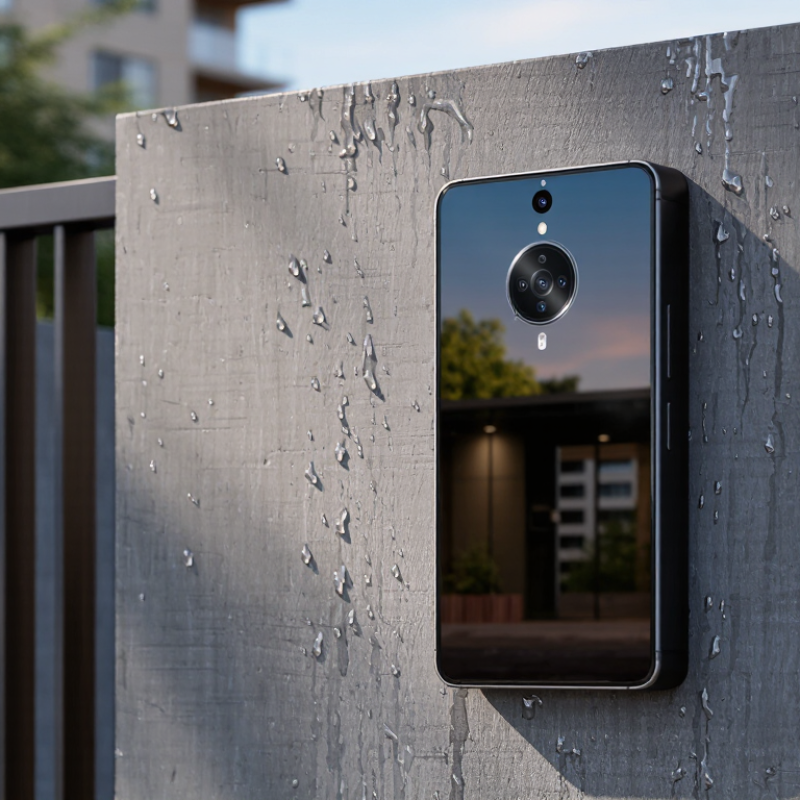
A video entry phone combines a camera, microphone, speaker, call button, and access-control relay. It lets residents see and speak with visitors before releasing a door or gate. The system usually includes an outdoor station and an indoor monitor. Some installations also connect to a secure mobile application.
The process is simple. A visitor presses the call button. The camera sends live video to the monitor through Ethernet, Wi-Fi, or a two-wire connection. The resident answers through two-way audio. A relay then activates the electric lock. Power over Ethernet can reduce cabling, although poor network planning may cause delays. I have found that clear audio often matters more than ultra-high video resolution.
Market data supports growing interest in connected entry devices. Fortune Business Insights estimated the global video doorbell market at USD 4.33 billion in 2023, while projecting continued growth through 2032. This category is not identical to commercial video entry phones, but the overlap is useful. Grand View Research also reported strong expansion in the broader smart-home market. Forecasts differ, so buyers should question optimistic figures.
For global projects, check SIP support, ONVIF compatibility, night vision, weather resistance, and encryption. Local recording can reduce cloud dependence. Privacy settings still need careful configuration. A wide-angle lens helps with packages and faces, but extreme distortion can weaken identification. Test the system with wet hands, background noise, and weak network conditions. Real buildings are rarely perfect.
| Rank | Anonymous Market Profile | Video Resolution | Camera & Viewing | Night Vision | Visitor Communication | Indoor Monitor | Door Unlocking | Network & Power | Recording Options | Typical Outdoor Protection | How the System Works |
|---|---|---|---|---|---|---|---|---|---|---|---|
| 1 | Profile A | 1080p Full HD | 2 MP camera; approximately 120° horizontal view | Infrared LEDs for low-light viewing | Two-way hands-free audio | 7-inch color touch monitor | Electric strike or magnetic lock relay | IP Ethernet; PoE-supported configuration | MicroSD card or network video recorder | Typically IP65 outdoor rating | The door station captures video and sends it to the indoor monitor or mobile client; the resident verifies the visitor and activates the lock relay. |
| 2 | Profile B | 1080p Full HD | 2 MP camera; wide-angle lens with visitor face coverage | Automatic infrared night mode | Full-duplex voice communication | 7-inch color LCD monitor | Electric strike, gate relay, or exit button integration | Wi-Fi or wired Ethernet; low-voltage DC supply | Internal memory, microSD, or cloud service | Typically IP54 to IP65 | A call button starts a video call. The indoor user can speak with the visitor, monitor the entrance, and release the connected door or gate. |
| 3 | Profile C | 2K video | 3 MP camera; wide dynamic range for bright entrances | Infrared illumination with automatic switching | Two-way audio with echo cancellation | 7-inch or 10-inch touch display | Relay output for electric lock and secondary gate | IP network; PoE or 12 V DC depending on installation | microSD storage and optional NVR recording | Typically IP65 with vandal-resistant front panel | The device digitizes the camera and microphone signals, transmits them over the local network, and sends an unlock command after user confirmation. |
| 4 | Profile D | 1080p Full HD | 2 MP camera; approximately 160° diagonal view | IR night vision, commonly up to about 5 m | Hands-free two-way audio | 7-inch indoor station | Electric strike or electromagnetic lock control | 2-wire bus or IP architecture; dedicated power supply | Snapshot capture and internal event memory | Typically IP54 | Pressing the call button alerts the indoor station. The user views the entrance, communicates with the visitor, and unlocks the door remotely. |
| 5 | Profile E | 1080p Full HD | 2 MP camera; backlight compensation for outdoor entrances | Automatic IR illumination | Two-way audio through indoor monitor and app | 7-inch color touchscreen | Remote relay; optional exit-request input | Ethernet, Wi-Fi, and PoE-ready variants | microSD, NVR, or encrypted cloud recording | Typically IP65 | The camera and audio stream can be delivered to an indoor screen or authorized smartphone, allowing remote verification and door release. |
| 6 | Profile F | 720p HD | 1 MP camera; standard wide-angle coverage | Infrared LEDs for nighttime identification | Half-duplex or full-duplex audio | 4.3-inch or 7-inch color monitor | Electric strike relay | 2-wire digital bus or local Ethernet | Still-image snapshots or optional recorder | Typically IP54 | The outdoor station sends a call signal and live image to the indoor unit; the resident responds and activates the lock using the monitor controls. |
| 7 | Profile G | 1080p Full HD | 2 MP camera; wide dynamic range and distortion correction | IR night vision with automatic exposure | Full-duplex audio with noise reduction | 7-inch touch monitor with optional mobile access | Lock relay plus auxiliary gate or barrier relay | IP network; PoE commonly available | microSD and NVR-compatible recording | Typically IP65 and impact-resistant construction | The system converts visitor video into an IP stream, routes it to authorized endpoints, and controls one or more access relays after verification. |
| 8 | Profile H | 1080p Full HD | 2 MP camera; approximately 120° to 140° viewing angle | Infrared night vision | Two-way audio with call volume control | 7-inch color LCD | Electric lock and doorbell integration | Wi-Fi or wired Ethernet; external DC power | Local snapshots and optional cloud storage | Typically IP54 to IP65 | A visitor calls from the entrance panel. The resident receives a live video preview, communicates through the speaker and microphone, and unlocks the entrance if appropriate. |
| 9 | Profile I | 2K video | 3 MP camera; wide-angle view with strong backlight handling | Infrared LEDs with low-light enhancement | Full-duplex audio and mobile notifications | 7-inch or 10-inch color touchscreen | Multi-door relay and request-to-exit support | IP Ethernet; PoE-supported installation | microSD, NVR, and event-based recording | Typically IP65 | The door station identifies a call, transmits live video and audio over the network, and records access events while the resident manages the lock remotely. |
| 10 | Profile J | 720p HD or 1080p Full HD | 1 MP to 2 MP camera; standard wide-angle view | Automatic infrared night mode | Two-way hands-free audio | 4.3-inch, 7-inch, or app-based display | Relay output for electric strike or magnetic lock | 2-wire, Wi-Fi, or Ethernet architecture | Snapshots, microSD, or recorder-dependent storage | Typically IP54 | The entrance panel detects a visitor call and sends the image and voice connection to the selected indoor endpoint, where the user can answer and unlock the door. |
| Note: IP54 and IP65 are enclosure protection ratings under IEC 60529. Actual resolution, storage, lock compatibility, power method, mobile access, and weather resistance vary by model and installation. A complete system normally includes an outdoor door station, indoor monitor or mobile client, power supply, network or bus wiring, and an electric locking device. | |||||||||||
