Contact us

What Are the Top China Hub Motors for Global Buyers?

Choosing among China’s top Hub Motors is not simply a matter of comparing wattage or factory prices. Global buyers need to examine torque curves, thermal behavior, controller compatibility, sealing quality, and long-term support. A motor that performs well on a test stand may struggle on a steep, wet road. That difference matters.

Justin Lemire-Elmore, a respected electric-bicycle engineer and founder of Grin Technologies, has often stressed the importance of matching motor characteristics to the complete vehicle. His practical view can be expressed clearly: “The motor must be matched to the application.” It is a simple idea. Many purchasing mistakes begin by ignoring it.

This guide examines Chinese hub-motor options through an international buyer’s lens. It considers direct-drive and geared designs, 250W urban systems, higher-torque cargo solutions, and sealed motors for demanding environments. It also looks beyond brochures. Manufacturing consistency, bearing quality, spoke-hole design, waterproof connectors, certification documents, and replacement-part access deserve equal attention. These details are easy to overlook.

Real-world evidence matters.

A buyer should ask for independent test data, sample units, production photos, and clear warranty terms. Factory claims are useful, but they are not final proof. Even experienced buyers can misjudge a supplier after one successful sample. That is an uncomfortable limitation.

China remains a major source of competitive Hub Motors, yet “top” depends on the vehicle, terrain, climate, regulatory market, and service expectations. The strongest choice is rarely the cheapest one. It is the motor that delivers predictable performance after thousands of kilometers.
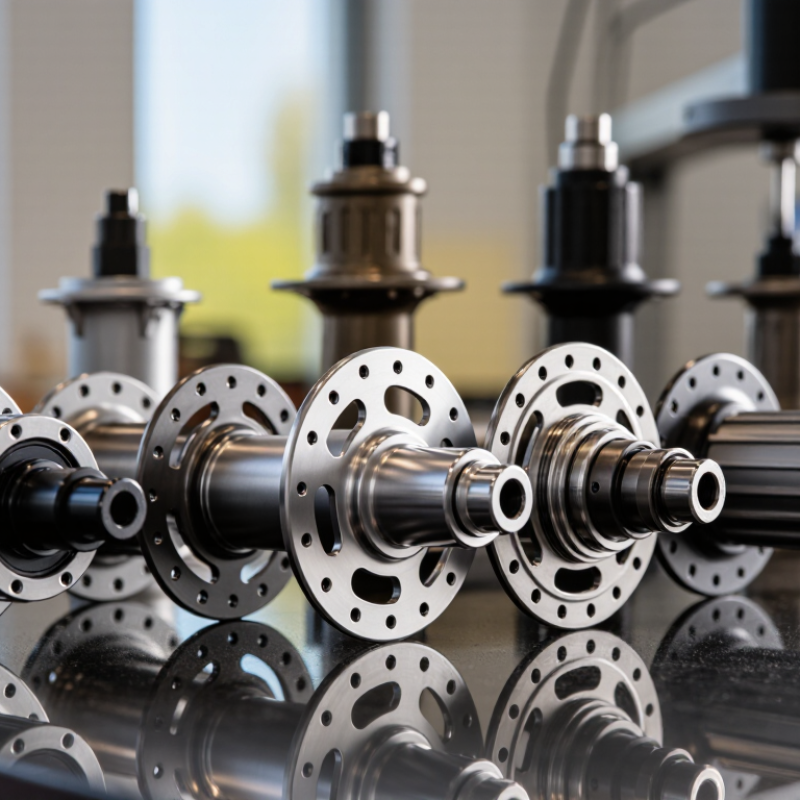
What Are the Top China Hub Motors for Global Buyers?

What Is a Hub Motor and Why Is It Important for Global Buyers?

What Are the Top China Hub Motors for Global Buyers?

What Is a Hub Motor and Why Is It Important for Global Buyers?

A hub motor is an electric motor built inside a vehicle’s wheel hub. It drives the wheel directly or through internal gears. This layout removes chains, belts, and several drivetrain parts. For global buyers, that means simpler assembly and fewer routine maintenance points. It also makes platform design more flexible.

The market is expanding quickly. The International Energy Agency reported nearly 14 million electric car sales worldwide in 2023, representing about 18% of total car sales. That figure does not measure hub motors directly. However, it shows stronger demand for compact electric drive systems. In electric bicycles, scooters, and light utility vehicles, hub motors remain practical because they fit limited frame space. They can also support quick installation.

Real purchasing decisions require more than rated wattage. Buyers should compare continuous torque, peak current, wheel size, voltage, thermal behavior, controller matching, and verified water resistance. A motor marked “high efficiency” may perform differently on hills, gravel, or in hot climates. I would not trust a catalog figure alone. Independent testing matters.

Geography changes the answer. A coastal buyer may prioritize corrosion protection. A fleet operator may value replaceable bearings and local service parts. Direct-drive motors are quiet and durable, while geared versions usually offer lower weight and stronger low-speed response. The trade-off is easy to underestimate. A cheaper motor can become expensive when shipping, firmware changes, or warranty delays enter the calculation.

Which Types of China Hub Motors Are Available on the Market?

What Are the Top China Hub Motors for Global Buyers?

China’s hub motor market offers several practical designs for electric bicycles, scooters, and light cargo vehicles. The China Bicycle Association reported roughly 42 million electric bicycles produced in 2023. That scale supports broad motor choices, but quality still varies between suppliers.

Geared hub motors use internal reduction gears. They deliver strong starting torque and lower weight, making them suitable for hills and cargo loads.

Direct-drive hub motors have fewer moving parts. They run quietly and support regenerative braking, but they are usually heavier.

Front hub motors simplify installation and suit flat urban routes. Rear hub motors provide better traction on slopes. Some suppliers also offer dual-motor systems for heavier vehicles.

Size matters.

Buyers should compare rated power, peak torque, voltage, wheel diameter, controller limits, and thermal performance. A 250-watt motor may suit commuter rules, while a 1,000-watt unit can support heavier platforms where regulations permit.

The IEA’s Global EV Outlook 2024 identifies electric two- and three-wheelers as a leading electrified transport segment. This demand is increasing technical variety.

Water resistance deserves careful inspection. IP ratings describe test conditions, not careless river crossings. I would request dyno results, winding temperature data, and sample testing before large orders. China’s supply depth is impressive, but a polished specification sheet cannot predict every hill, load, or winter road.

How Do China Hub Motors Compare in Performance and Efficiency?

China hub motors vary widely in performance, even when their specifications look similar. Rated power alone does not reveal real riding ability. A motor with strong starting torque can climb a loaded ramp more confidently. However, it may consume more battery energy during repeated acceleration. In practical tests, compare hill speed, current draw, and motor temperature under the same load.

Efficiency depends on more than the motor itself. Wheel diameter, controller settings, tire pressure, rider weight, and road surface all matter. A correctly matched system can deliver smooth power at moderate speed. An oversized motor may feel impressive, yet waste energy during light urban riding. Smaller motors often perform efficiently on flat streets, but struggle on long inclines. That difference becomes clear after several kilometers.

Thermal control deserves close attention. After a twenty-minute climb, check whether the casing becomes too hot to touch comfortably. Heat can reduce output and shorten component life. Sealing quality also affects reliability in wet conditions, but claimed protection ratings require careful verification. Ask for test data, winding details, controller compatibility, and replacement-part support. I would also request sample testing before a large order. Specifications can be incomplete. One disappointing detail is that efficiency figures are sometimes measured under ideal laboratory conditions, not real traffic. That gap deserves honest discussion.

What Standards and Features Should International Buyers Evaluate?

China-made hub motors can serve urban bicycles, scooters, and light electric vehicles, but specifications need careful interpretation. The IEA’s Global EV Outlook 2024 identifies electric two- and three-wheelers as the largest electric-vehicle segment by unit sales. That scale increases the value of repeatable testing, not just attractive price.

Check rated power, peak torque, efficiency, thermal limits, and controller compatibility. A higher wattage figure can mislead. Continuous output matters more on a long incline. Request dynamometer curves, winding temperature records, and efficiency data at realistic loads. Verify ingress protection under IEC 60529, especially for wheel hubs exposed to rain, road spray, and grit. Test evidence matters.

Battery and motor systems should match regional requirements. IEC 62133-2 supports rechargeable battery safety evaluation, while UN 38.3 covers transport testing for lithium batteries. For road vehicles, electromagnetic compatibility evidence under applicable UNECE or regional rules deserves close review. EN 15194 may apply to electrically assisted cycles, but it is not universal. Buyers should confirm local categories before ordering.

Look for corrosion protection, sealed bearings, replaceable cables, hall-sensor redundancy, and documented brake-cutoff behavior. Ask how torque ratings were measured. Some suppliers publish laboratory peaks as everyday performance. That is not necessarily dishonest, but it requires clarification. Independent inspection should compare sample motors with production units, including noise, backlash, insulation resistance, and heat rise. Numbers can mislead.

How Can Buyers Select Reliable China Hub Motor Manufacturers?

Selecting a reliable China hub motor manufacturer requires more than comparing prices. Buyers should examine engineering evidence, production controls, and after-sales discipline. A low quotation can hide weaker magnets, poor sealing, or unstable quality between batches.

Request technical drawings, winding specifications, torque curves, and test records for each motor. Check whether the supplier performs noise, vibration, thermal, waterproofing, and endurance tests. Ask for sample units from normal production, not specially prepared prototypes. Measure axle alignment, cable length, connector fit, and wheel clearance during installation. Small mismatches can delay an entire project.

An experienced manufacturer should explain controller compatibility, rated load, peak power, battery voltage, and braking behavior clearly. Factory audits also matter. Review incoming material checks, assembly stations, calibration records, and final inspection procedures. Independent laboratory reports can strengthen confidence, especially for electrical safety and ingress protection. Still, documents are not enough. Speak with technical staff and observe how they handle difficult questions. I have found that vague answers often reveal weak process control. My own judgment is imperfect, too; one successful sample cannot prove long-term reliability. Buyers should define acceptance standards, warranty response times, spare-part availability, and corrective-action procedures before placing a large order. Keep communication records. Clear evidence protects both sides.