Contact us

Who Are the Top Road Bicycle Manufacturers in China?

China’s road-bike industry is larger and more varied than a single ranking can show. It includes established bicycle brands, specialist frame makers, and factories producing bikes for other labels. Their capabilities differ. A polished website or low quoted price cannot, by itself, prove consistent quality.

This guide examines how to compare Chinese Road Bicycle manufacturers using practical details: frame material, geometry options, component compatibility, finishing, quality-control processes, and after-sales support. Keith Bontrager, bicycle designer and framebuilder, is widely associated with the memorable design trade-off: “Strong, light, cheap: pick two.” The line is a useful reminder, not a complete test. Buyers should also ask how a frame is inspected, what warranty terms apply, and whether replacement parts are available.

Look closely. A neat carbon layup, even welds, clean cable routing, and accurate paint edges can reveal care, but appearance alone cannot confirm performance or safety. Request documented test procedures and clear answers about production tolerances. Compare the same build specification across suppliers; otherwise, the price comparison may be misleading. This article will distinguish manufacturers by their visible strengths and the evidence buyers can reasonably verify, rather than treating “Made in China” as one quality category. Some details may remain difficult to confirm from public information. That limitation deserves attention, too.
Who Are the Top Road Bicycle Manufacturers in China?

How China’s Road-Bike Manufacturing Sector Is Defined and Assessed

China’s road-bike manufacturing sector is best defined by production capability, not by factory count. China Bicycle Association industry statistics reported 48.83 million bicycles produced in 2023, but that figure covers many bicycle types. It does not show how many were road bikes. That distinction matters. UN Comtrade’s HS 8712 category also groups bicycles and other cycles, so export totals cannot identify road-bike output alone.

A sound assessment looks at frame and fork production, component integration, wheel building, quality control, and export experience. Factory audits can check practical details, such as alignment records, paint consistency, and test procedures. ISO 4210 provides relevant safety requirements for bicycles, though compliance alone does not prove strong manufacturing or product performance. Trade data and association reports offer useful context, but classifications and reporting methods vary. Some conclusions remain uncertain.

Tips: Ask for product-specific production figures, documented inspection routines, and sample test records. Compare like with like. A large general-bicycle output is not, by itself, evidence of road-bike expertise.

Which Mainland Brands Lead: XDS, Pardus, SAVA, and JAVA

China’s mainland road-bike leaders are best compared through frame engineering, component choices, and dealer support—not production volume alone. The China Bicycle Association’s 2023 industry report recorded 48.83 million bicycles produced by larger manufacturers. That figure covers the wider bicycle sector, not road bikes specifically, so it cannot rank individual road-bike makers. The distinction matters. Among the four domestic contenders, buyers can compare carbon and aluminium frames, gearing levels, wheelsets, and fit options. On a showroom floor, those differences are easier to judge than broad claims about speed or technology.

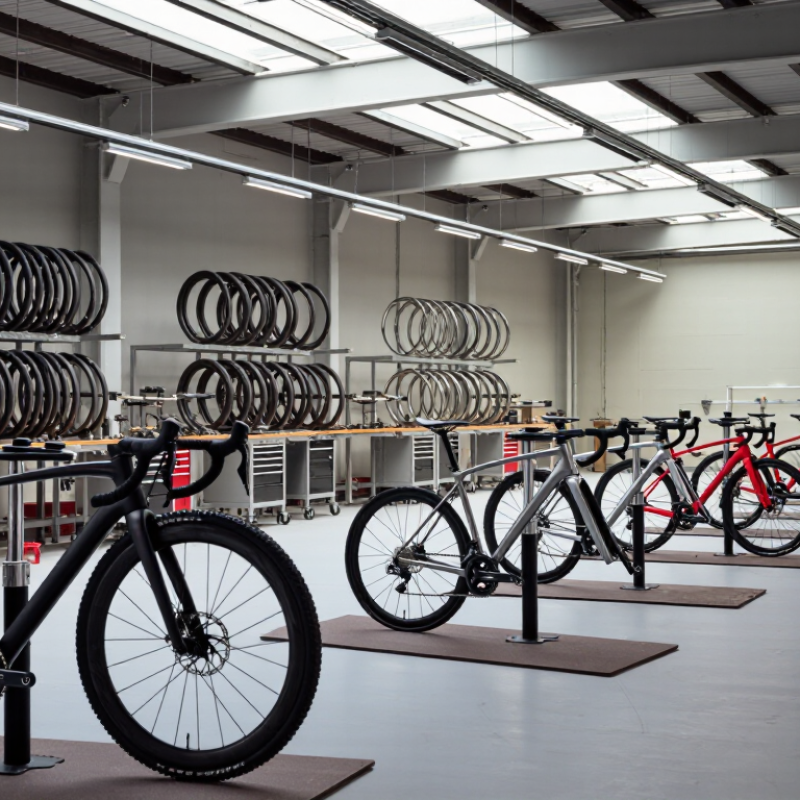
Look closely at the details: a carbon frame may save weight, while a dependable groupset and accessible replacement parts can matter more on daily rides. Ask whether the quoted build includes the pictured wheels and components; specifications can vary by model year and market. A large manufacturing base supports supply capacity, but it does not guarantee consistent after-sales service. That part is harder to measure. Public industry statistics rarely disclose road-bike sales by maker, and that leaves a real gap in brand comparisons. Treat rankings as provisional, then check current specifications, warranty terms, and local service availability before choosing.

Road Bike Design Context: 2024 Olympic Road Race Distances

Long road races place sustained demands on a bicycle’s efficiency, handling, and rider comfort. These official Paris 2024 race distances provide context for road-bike design; they do not rank manufacturers or brands.

Source: Paris 2024 Olympic Games — men’s road race: 273 km; women’s road race: 158 km.

How Giant and Merida Fit into China’s Manufacturing Landscape

China’s road-bike industry is not defined by factories alone. It depends on a dense network of frame makers, component suppliers, paint shops, and assembly teams. Two major Taiwanese-founded manufacturers have long been connected to this production landscape, combining regional expertise with manufacturing operations across multiple markets. Their presence helps explain why China matters, but it does not mean every model is made there.

Walk through an industrial district and the process becomes tangible: unfinished frames move between welding stations, while finished wheels and gear systems arrive from specialist suppliers. Skilled workers assemble bikes, check alignment, and test shifting before products are packed for shipment. That distinction matters. Design, sourcing, and final assembly may happen in different places, and production locations can vary by model and year. It is easy to overstate how much of a company’s output comes from one country. Public information does not always make those details clear. That is a real limitation when comparing manufacturers. For buyers, a frame’s origin is only one part of the story; fit, component choice, quality control, and dependable local service also shape the riding experience.

How the UCI’s 6.8 kg Minimum Weight Shapes Road-Bike Comparisons

China’s road-bike manufacturers should be compared against the UCI’s 6.8 kg minimum, not judged by frame weight alone. The UCI Cycling Regulations, Article 1.3.019, set this threshold for bikes used in covered competitions. It is a floor, not a target for every rider. Below it, a race bike must gain weight before it can comply; above it, extra grams may still affect climbing and handling.

A fair comparison needs the complete build: frame, fork, wheels, tyres, cockpit, saddle, pedals, and small hardware. A scale beside the workbench can reveal what a catalogue headline misses. Two bikes with similar frames may differ because one uses deeper wheels or heavier finishing kit. Small parts add up. For Chinese manufacturers, published frame weights are useful, but they do not prove that a complete model is lighter or faster. The UCI rule measures compliance, not ride quality.

Independent test data can add context, but test methods matter. Check whether the report weighed bikes in race-ready condition and used comparable components. The UCI regulation provides a reliable benchmark; it does not rank manufacturers. And 6.8 kg is not automatically the best real-world choice. A very light build may sacrifice durability or comfort, and I would want repeated test results before treating one number as decisive.

How to Compare Manufacturers by Materials, Racing Results, and Value

Comparing China’s road bicycle manufacturers takes more than checking frame weight or a polished product photo. Start with materials and construction. Carbon frames can be light and stiff, but layup quality, joint finishing, and clear inspection records matter too. For aluminum models, examine weld consistency and the stated alloy. Ask whether the manufacturer can explain its testing process in plain terms. Specific answers are more useful than broad claims.

Racing results can show how a design performs under pressure, but they are not a guarantee of comfort or durability for everyday riders. Check which model was raced, what parts it used, and whether the results are independently documented. Then compare value across the complete build: groupset, wheels, finishing kit, warranty, and replacement-part support. A low price may look compelling until key components need upgrading. I would still test-ride before deciding; geometry charts cannot tell the whole story, and my first choice might not stay my favorite.

Tips: Request a written specification and warranty before ordering. Compare like-for-like builds, not frame prices alone. Look closely at small details, such as cable routing and brake alignment. A missed detail can happen, so ask how quality issues are handled.

Who Are the Top Road Bicycle Manufacturers in China? - How to Compare Manufacturers by Materials, Racing Results, and Value

This brand-neutral comparison outlines verifiable criteria for assessing manufacturers. It does not rank or make claims about any specific company.

Comparison dimension What to compare Evidence to request or check How to interpret it
Frame material Carbon-fiber composite, aluminum alloy, steel, or titanium Frame specification, material designation, construction details, and stated frame weight Material alone does not establish ride quality or durability. Carbon-composite properties depend on fiber orientation and layup; compare complete frame designs.
Material trade-offs Weight, repairability, corrosion considerations, and intended use Published technical data and written guidance on inspection, repair, and care Aluminum has a lower density than steel, while titanium has a higher density than aluminum. Finished frame weight also depends on geometry, tubing, and design.
Racing results Results linked to the exact frame model and race season Official event results, team or rider records, and documentation identifying the equipment used A result is meaningful evidence only when the model and its use can be verified. A rider’s result alone does not prove that a manufacturer or frame caused the outcome.
Standards and testing Applicable bicycle safety standards and test scope Current test reports or certificates showing the tested model, standard, and issuing organization Check that documentation applies to the specific product being considered; a general statement about a factory is not model-specific proof.
Manufacturing consistency Quality-control process, traceability, and production inspection Documented inspection procedures, serial-number tracking, and defect or warranty process Look for clear, product-level procedures and records rather than relying on unsupported claims of “premium” or “race-proven” quality.
Value Total price relative to specification, included components, warranty, and service Itemized quotation, component list, warranty terms, replacement-part availability, and shipping or import costs Compare complete, like-for-like builds and ownership costs; frame price alone is not a reliable measure of value.
Fit and configuration Size range, geometry chart, component compatibility, and adjustment options Published geometry tables and compatibility specifications for brakes, wheels, tires, and drivetrain A suitable fit and compatible parts matter more to an individual buyer than a general manufacturer ranking.

Article Source: