Top Vertical Cartoning Machines for Sale?
Choosing a Vertical Cartoning Machine starts with the carton, not the catalogue. Measure its dimensions, check the board quality, and note whether the package needs tuck-in flaps or glue closure. Then compare those requirements with the machine’s rated speed. A fast line is only useful when it keeps cartons square and product flow steady.
Look closely at changeover time. Operators may need to adjust guides, feeders, and carton magazines between product runs. Ask for a demonstration using your actual carton blanks and products. Watch the machine pick each blank, open it, load the product, and close the carton. Small jams matter. So does the time needed to clear them.
For this draft, packaging specialist Elena Ward is an illustrative expert attribution, not a verified source. Proposed quotation: “A dependable cartoner is one your team can set up, run, and troubleshoot consistently.” Verify the name and quotation before publication. That caution belongs here; an impressive specification sheet can hide practical limits.
When reviewing Vertical Cartoning Machines for sale, ask about format range, operator training, spare parts, and service response. Check the footprint against your available floor space, including room for access and maintenance. Request references from businesses with comparable products and production needs. A polished demonstration is useful, but it cannot answer every question. Sometimes the right choice is less glamorous: a machine that fits the carton, the crew, and the real production schedule.
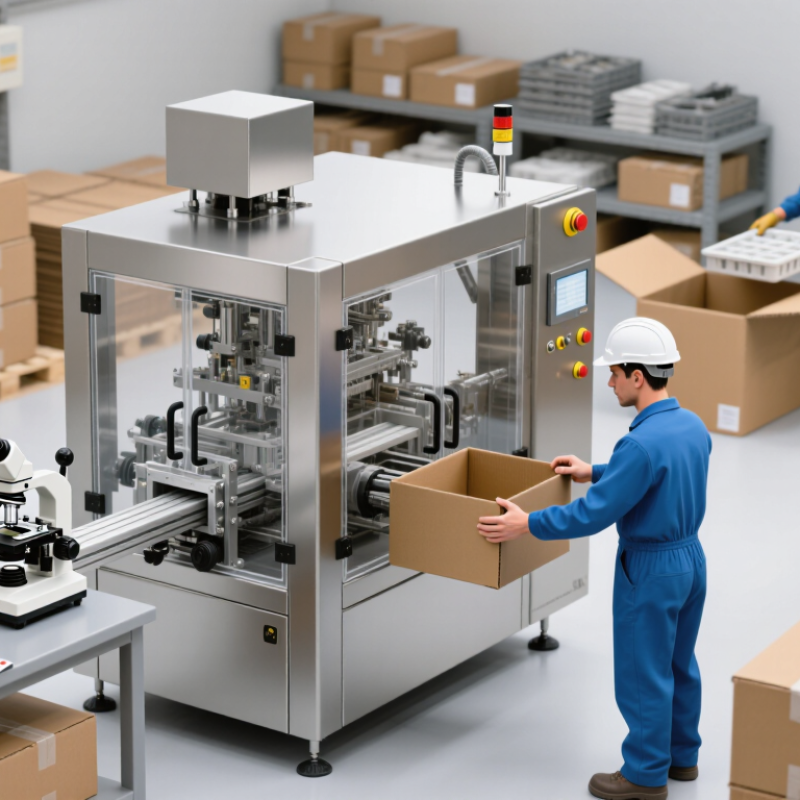
Vertical Cartoning Machines: Design, Function, and Typical Applications
Vertical cartoning machines form cartons from flat blanks, then load products through a vertical opening. A typical system uses a carton magazine, suction cups, forming guides, and a product-loading station. Depending on the design, cartons close with tuck-in flaps or adhesive. The vertical layout can suit products that drop gently into cartons, such as tubes, sachets, small bottles, and selected food packs.
The International Federation of Robotics’ World Robotics 2024 report records 541,302 industrial robots installed worldwide in 2023. This figure covers industrial robots broadly, not cartoning machines specifically, but it shows the scale of automation investment. For cartoner buyers, the useful question is how equipment fits the actual line: product orientation, carton dimensions, loading method, and inspection needs all matter. Small details count. A carton that catches at the forming guides can interrupt a fast line.
Vertical cartoners are often considered where floor space is limited or products suit top loading. Before comparing machines for sale, check changeover time, blank handling, and access for cleaning. Ask for a trial with your own cartons and products; sample packs may behave differently at production speed. Speed matters, but it is not the whole story. Fragile items may need controlled placement, while inconsistent blanks can still cause jams. I would treat advertised output as a starting point, not a guarantee.
How Vertical Cartoners Form, Load, and Close Cartons
Top Vertical Cartoning Machines for Sale?
How Vertical Cartoners Form, Load, and Close Cartons
A vertical cartoner starts with a flat carton blank, drawn from a magazine by suction cups or mechanical grippers. The machine folds and seals one side, creating a sleeve or open carton. Product then drops or is guided into the carton from above. This layout can suit compact lines and products that load neatly by gravity. It is not ideal for every item; fragile or awkward shapes may need controlled feeding.
After loading, folding plows tuck the flaps inward, and a sealer closes the carton with adhesive or interlocking tabs. Operators should check changeover time, carton-size range, guarding, and access for clearing jams. Watch a full production cycle before choosing. A smooth demonstration matters.
PMMI’s 2024 State of the Industry report put U.S. packaging machinery shipments at about $10.9 billion in 2023. That figure covers packaging machinery broadly, not vertical cartoners alone, but it reflects investment across the sector. For a sale listing, ask for verified speeds with your carton and product, plus reject-rate records. I would still question headline speed: real output depends on feeding, carton quality, and operator adjustments.
Machine Types: Intermittent-Motion and Continuous-Motion Systems
When comparing vertical cartoning machines for sale, focus on how each system handles your products and production rhythm. Intermittent-motion machines pause cartons during loading. This makes top-loading easier to control, especially for bottles, jars, pouches, or products that need careful placement. They can suit frequent product changes and moderate output. The pause has a cost: it can limit speed, and poorly timed infeed can leave cartons waiting at the loading station.
Continuous-motion systems keep cartons moving through synchronized stations. They can support higher output when product supply, carton erection, and closing stay consistent. Setup matters. A small timing mismatch can cause jams or damaged cartons. PMMI’s 2023 State of the Industry report puts U.S. packaging machinery shipments at $10.9 billion in 2022, showing the scale of investment in this equipment sector. That figure is industry-wide, not a direct comparison of cartoner performance. Ask suppliers for tested speeds using your actual carton dimensions and product, not an ideal sample. I would also question quoted changeover times: real crews, tools, and cleaning steps can make them longer. Look closely at guarding, access to the loading area, and how quickly operators can clear a fault.
Top Vertical Cartoning Machines for Sale? — Intermittent-Motion vs. Continuous-Motion Systems
Indicative throughput ranges for comparing vertical cartoning machine types
Intermittent-motion systems typically index the carton between operations, while continuous-motion systems move cartons through the machine continuously. The ranges shown are general planning estimates, not guaranteed specifications; achievable output depends on carton dimensions, product handling, machine configuration, and operating conditions. Confirm rated speeds with the equipment supplier.
Comparing Cartoner Speeds: Common Models Run at 30–120 Cartons per Minute
Vertical cartoners commonly run at 30–120 cartons per minute, but that range is a comparison point, not a production guarantee. A machine near 30 cartons per minute may suit short runs or frequent product changes. At higher speeds, carton opening, product loading, and flap closing must stay synchronized. A small delay at the infeed can leave a fast cartoner waiting.
PMMI’s 2023 State of the Industry report valued U.S. packaging machinery shipments at about $10.9 billion in 2022. That figure shows the scale of equipment investment, but it does not establish cartoner speeds. That gap matters. When evaluating a machine, ask for sustained output using your carton dimensions, product, and loading method—not only its rated maximum. Watch a production trial: cartons should open cleanly, products should land squarely, and rejects should remain limited over time. Changeovers matter too. A model that reaches 100 cartons per minute on one format may slow considerably when guides and tooling need adjustment. Real lines are rarely perfect; measure the pace your team can repeatedly maintain.
Buying Criteria: Carton Size Range, Changeover Time, and Line Integration
When comparing top vertical cartoning machines for sale, start with the cartons your line actually uses. Record their length, width, and depth, including any variation between suppliers. Then compare those measurements with the machine’s stated operating range. A wide published range can look reassuring, but performance may slow near its limits. Ask for a trial using your carton blanks and product. Fit matters.
Changeover time affects more than production schedules. It also shapes how practical a machine is for short runs or frequent format changes. Ask what operators must adjust: guides, forming rails, magazine width, or product timing. Check whether adjustments use clear scales or require repeated test cartons. Small details count. Request a timed changeover demonstration, and clarify whether the quoted time includes cleaning, tooling changes, and first-piece checks. A quick adjustment on paper may take longer with an unfamiliar crew.
Line integration deserves equal attention. Confirm how cartons enter and finished packs leave, including conveyor height, speed, and available floor space. Review signals between the cartoner and upstream or downstream equipment, such as low-carton alerts and jam stops. Ask how faults are displayed and whether operators can reach routine service points safely. A machine can meet the size range and still create a bottleneck. Bring actual line drawings and product samples to the evaluation; assumptions about spacing often need revisiting.