A parcel may travel only a few miles, yet pass through several hands, vehicles, and decisions before delivery. At a busy depot, hundreds of cartons can arrive in one wave. Without a clear routing process, staff may need to scan, read, and redirect each parcel by hand. A Parcel Sorting System helps organize that work by identifying parcels and directing them toward the correct destination or dispatch lane.
The value is practical, not magical. A well-configured system can support faster throughput, more consistent routing, and clearer operational data. It may also reduce avoidable handling, though results depend on parcel mix, software quality, maintenance, and staff training. Small labels, damaged barcodes, and unexpected surges still create problems. That matters.
A useful expert quotation should come from a verifiable source. No source material was provided to confirm a named specialist’s exact words, so attributing a quotation here would risk misleading readers. A suitable line to verify before publication is: “[Insert a confirmed quotation from a named parcel-sorting systems expert about accuracy, flow, or operational reliability.]” This outline can then examine how sorting systems work, which businesses benefit most, and what decision-makers should assess before investing. It should also consider the less visible costs: integration, floor space, ongoing support, and the time teams need to adapt. Faster sorting is valuable, but only when the whole operation can keep pace.
Global parcel volume reached 161 billion in 2022, according to a parcel-industry report. That is a staggering flow. Behind the figure are loading bays, conveyor belts, delivery vehicles, and workers handling parcels of different sizes. When volume rises, manual sorting can create bottlenecks: a small label-reading delay may leave a growing stack beside the belt.
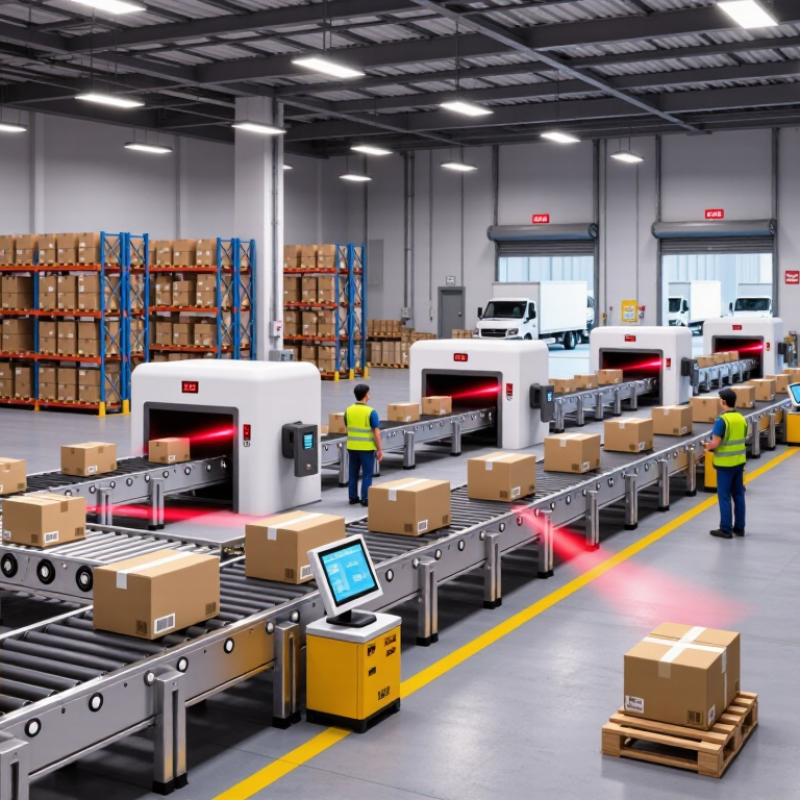
A parcel sorting system helps route items by destination, service type, or delivery zone. Scanners capture parcel data, while automated equipment directs each item to the correct chute or container. This can improve throughput and reduce repeated handling, especially during busy periods. Teams can also use operational data to spot jams, misreads, and uneven workloads. Even a clear view of where delays happen is useful.
But the number alone does not explain every facility’s needs. Parcel dimensions, label quality, staffing, building layout, and daily peaks all affect system performance. Automation is not magic. Poorly maintained scanners or badly planned conveyor routes can shift one problem elsewhere. Businesses should assess actual parcel patterns before investing, then test the system under realistic conditions. Small exceptions still matter; an irregular box can disrupt a smooth line.
A parcel sorting system starts with a scan. Cameras read barcodes and shipping labels, while scales and dimensioners capture each parcel’s weight and size. These details help the control software match a shipment to its destination and service level. Pitney Bowes’ 2023 Parcel Shipping Index reported 161 billion parcels worldwide in 2022 and projected 256 billion by 2027. At that scale, a missed scan can send a parcel to the wrong chute and delay its next handoff.
The system then groups parcels by postcode, carrier service, destination hub, or delivery route. Conveyor belts carry each item past diverters, which send it into the matching chute or container. Small details matter. A label crease, glare, or loose tape can confuse a scanner, so well-run facilities direct unreadable parcels to a manual exception lane rather than guessing. That safeguard costs time, but guessing can cost more.
Routing rules also need regular attention. A system may prioritize express shipments, separate parcels by size, or redirect items when a chute fills. Operators review scan failures and mis-sorts, then adjust settings and maintenance schedules. These checks are not perfect; even accurate equipment depends on clean labels, current address data, and sensible routing rules. A fast belt alone does not make a reliable sort.
A parcel sorting system combines shipment data and physical handling rules to identify parcels, group them by their next destination or service, and route them to the appropriate outbound area. The examples below illustrate configurable sorting logic.
| Information Captured | How the Parcel Is Identified | Grouping Rule | Typical Routing Decision | Why It Matters |
|---|---|---|---|---|
| Barcode or machine-readable shipping label | A scanner reads the tracking or routing code and retrieves the shipment’s sort data. | Group parcels by destination zone, delivery route, or handling stream. | Send the parcel to the assigned chute, conveyor lane, or container. | Automates parcel identification and reduces manual reading and sorting. |
| Destination address or postal code | Address data is read from the label or matched to information in the shipment record. | Combine parcels going to the same local delivery area or downstream facility. | Route each group toward the appropriate local delivery or line-haul area. | Helps consolidate shipments by destination and supports efficient dispatch planning. |
| Service level and planned delivery date | Shipment records indicate the selected service and any applicable delivery commitment. | Separate parcels by service type, dispatch deadline, or required processing priority. | Direct time-sensitive shipments to the relevant earlier or dedicated dispatch stream. | Helps facilities process shipments in an order consistent with service requirements. |
| Parcel dimensions and shape | Dimensioning equipment measures length, width, and height; sensors may flag irregular shapes. | Separate standard-size parcels from oversized or non-conveyable items using site rules. | Route suitable parcels through automated equipment and flagged items to a compatible handling area. | Supports safe equipment use and helps reduce jams caused by unsuitable items. |
| Parcel weight | A scale records the parcel’s weight and associates it with the scanned shipment. | Apply facility-specific weight bands or handling limits. | Send parcels to equipment or work areas rated for the item’s weight. | Helps meet handling limits and directs heavier items to appropriate processes. |
| Barcode readability or shipment-data match | The system checks whether the code can be read and whether required routing data is available. | Place unreadable, missing-data, or mismatched shipments in an exception group. | Divert the parcel for relabeling, data correction, or manual review. | Prevents uncertain shipments from entering the wrong outbound stream. |
| Conveyor and sorter status | Control software monitors destination availability and the status of connected equipment. | Assign parcels only to available, suitable destinations according to configured rules. | Use an alternate lane or hold the parcel for review if the planned route is unavailable. | Helps maintain controlled flow and provides a response to equipment or destination exceptions. |
The United States handled an estimated 21.2 billion parcels in 2022. That is a lot. For a busy distribution center, it means thousands of labels, cartons, and delivery routes moving through each shift. When workers sort every parcel by hand, peak periods can bring crowded belts, repeated lifting, and missed scans.
A parcel sorting system uses scanners, conveyor belts, and diverters to direct packages toward the right destination. It can process parcels at a steady pace and flag unreadable labels for manual review. Small errors matter. A parcel sent to the wrong chute may add hours to delivery time and require extra handling. Automation also gives supervisors clearer data on volume, bottlenecks, and staffing needs.
The 2022 parcel volume helps explain why automation became more important, but a machine is not a complete solution. Irregular boxes can jam equipment, and damaged labels still need human attention. Systems require maintenance, careful setup, and staff who know how to respond when something goes wrong. That part is easy to underestimate. A practical sorting operation combines automated routing with people checking exceptions, keeping the flow moving without pretending every parcel is identical.
A parcel sorting system helps businesses keep accuracy steady as daily volume rises. Manual handling can work at low volumes, but busy periods bring more misroutes, repeated scans, and parcels waiting in the wrong lane. Automated systems use barcode or label data to direct each parcel to a designated chute or dispatch area. Clear routing reduces avoidable handling and gives staff more time to resolve exceptions.
Throughput depends on more than conveyor speed. Parcel size, label quality, scanner placement, and destination setup all affect performance. A smudged label can send a parcel to manual review, while a poorly planned chute can create a bottleneck. Automation is useful, but it is not magic. Teams should compare actual peak-hour demand with system capacity, then check error rates and downtime regularly.
Tips: Keep labels visible and flat. Test unusual parcel sizes before peak periods. Review misroutes each shift; small patterns can reveal a scanner or layout issue.
A well-configured sorter can process parcels consistently without forcing staff to rush. However, results depend on maintenance and accurate data. Even a reliable system needs people who know when to pause the line, inspect an exception, and correct the cause rather than merely clear the queue.
Why Do Businesses Need a Parcel Sorting System?
Why Sorting Matters When Last-Mile Delivery Takes 53% of Shipping Costs
Last-mile delivery can account for about 53% of shipping costs, although the share varies with route length, delivery density, and service expectations. When parcels are sorted poorly, drivers may cover extra miles, miss delivery windows, or return to the depot with undelivered items. Small errors matter. A reliable sorting process groups parcels by destination or route before loading, helping teams reduce avoidable handling and keep vans organized.
For example, staff can scan a parcel, place it in a clearly marked route cage, and check the cage against a dispatch list. This simple flow can help catch a wrong-zone parcel before it reaches a driver. Sorting does not remove traffic, failed deliveries, or inaccurate address data, though. It also needs regular checks; an outdated route map can make a neat system inefficient. That adds up.
Tips: Use clear route labels, scan parcels at key handoffs, and review mis-sorts each week. Track delivery distance and reattempts, too. Start with a small trial before changing the whole floor.
A commonly cited industry estimate puts last-mile delivery at 53% of total shipping costs.
The 47% share is the arithmetic remainder. Efficient parcel sorting can help streamline dispatch and reduce avoidable handling in the delivery process.
Source note: 53% is a commonly cited industry estimate, not a universal cost breakdown; actual shares vary by operation.