What is a Wifi Smart Switch and How Does It Work?
The rise of smart home technology is transforming our everyday living. A pivotal component in this revolution is the Wifi Smart Switch. According to a report by MarketsandMarkets, the smart home market is expected to reach $135.3 billion by 2025. This growth is driven by increased demand for energy efficiency and convenience.
Wifi Smart Switches allow users to control lighting and appliances remotely. They connect to a home Wi-Fi network, enabling access via smartphone applications. Despite the benefits, there are challenges. For instance, users often face connectivity issues, and device compatibility can be a concern. The variety of brands and features can also be overwhelming, leading to confusion.
Moreover, not all Wifi Smart Switches perform equally. Some may struggle with reliability, affecting user satisfaction. It’s essential for consumers to research thoroughly. Understanding the pros and cons of different options is crucial. Overall, while Wifi Smart Switches offer exciting possibilities, they require careful consideration.
What is a Wifi Smart Switch?
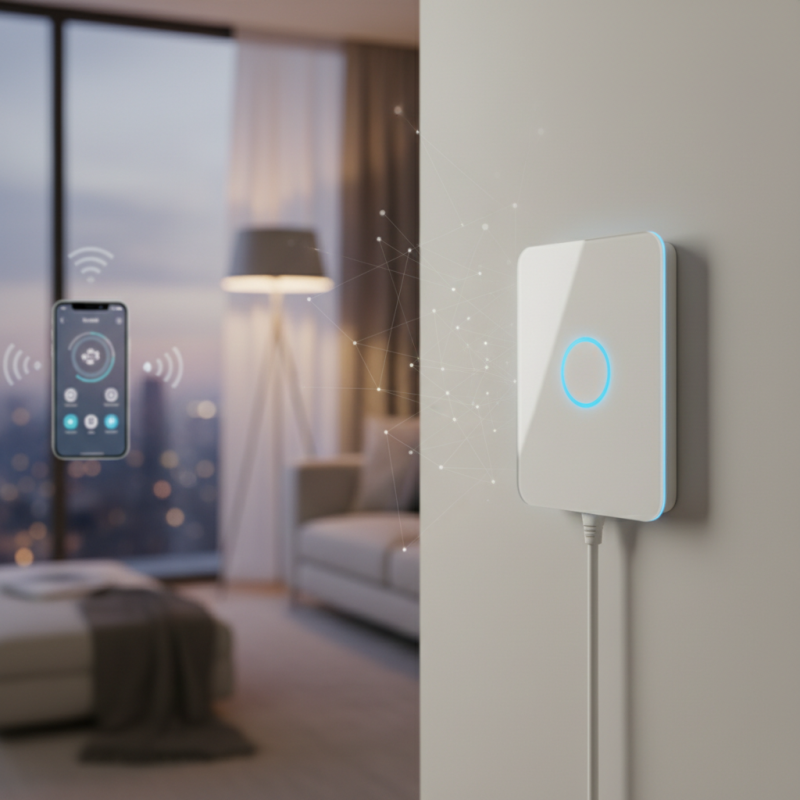
A WiFi smart switch is an essential device for modern homes. It allows users to turn lights and appliances on or off remotely. These switches connect to home WiFi networks, enabling control via smartphone apps or voice commands. According to recent industry reports, the smart switch market is expected to grow significantly. By 2025, it is projected to reach over $11 billion globally.
WiFi smart switches enhance convenience and energy efficiency. Studies show that households using smart switches can reduce energy consumption by up to 30%. However, users need to consider potential security risks associated with these devices. Reports indicate that smart home devices may be vulnerable to hacking. This highlights the importance of securing home networks. Users must regularly update passwords and firmware.
Installation of WiFi smart switches can be straightforward, but challenges may arise. Not all homes have compatible wiring. Some may require additional tools or expertise for installation. This can discourage potential users. Despite these hurdles, the benefits offered by WiFi smart switches make them appealing. Enhancing home automation can lead to a more comfortable living environment.
What is a Wifi Smart Switch and How Does It Work?
| Feature | Description | Benefits |
| Remote Control | Allows users to control their lights and appliances from anywhere via a smartphone app. | Convenience of managing devices when away from home. |
| Voice Commands | Compatible with voice assistants like Alexa, Google Assistant, allowing hands-free control. | Increased accessibility and ease of use. |
| Scheduling | Users can set schedules for when devices should turn on or off. | Energy savings and added security while away from home. |
| Energy Monitoring | Tracks energy consumption, providing insights into usage patterns. | Helps in managing energy costs and promoting efficiency. |
| Easy Installation | Designed for straightforward wiring and setup, often DIY friendly. | Saves on installation costs and time. |
Key Features of Wifi Smart Switches
Wifi smart switches are versatile devices that enhance home automation. They enable users to control lighting and appliances remotely via a smartphone app or voice command. These switches connect to a home’s wireless network, offering convenience and energy savings.
One key feature of Wifi smart switches is scheduling. Users can set specific times for lights to turn on or off. This functionality can help simulate occupancy when away from home. Also, the integration with voice assistants adds convenience. Just a simple command can control multiple devices seamlessly.
Another benefit is energy monitoring. Some smart switches track energy usage, allowing homeowners to identify patterns. This can lead to smarter energy consumption. However, installation may be tricky for some individuals. The lack of a clear guide can be frustrating. Getting support is sometimes essential for a smooth setup.
Smart Switch Energy Consumption Comparison
This chart illustrates the average monthly energy consumption of standard switches compared to WiFi smart switches in kilowatt-hours (kWh). As shown, WiFi smart switches help reduce energy consumption through scheduling and remote control features.
How Wifi Smart Switches Work Internally
Wifi smart switches are innovative devices revolutionizing home automation. They allow users to control lights and appliances via a smartphone or voice commands. At their core, these switches contain several key components. Most notably, they have a wireless module for connecting to a home network. This enables communication with mobile apps and voice assistants.
Internally, a Wifi smart switch’s microcontroller handles commands. When you tap an icon on your app, it sends a signal to the switch. This signal triggers the relay. The relay controls the electrical flow, turning devices on or off. The software processes your commands and maintains a connection to the network.
However, there are limitations. Interference from other devices can affect performance. Some users find setup procedures complicated. The firmware may require updates, which can be a hassle. These factors can lead to frustration. Despite they bring convenience, users should be aware of these challenges.
Benefits of Using Wifi Smart Switches in Home Automation
The integration of WiFi smart switches into home automation systems has gained significant traction among homeowners. Recent reports indicate that the global smart switch market is expected to reach $23 billion by 2026, with a compound annual growth rate of 15%. These devices allow homeowners to control lights and appliances remotely, improving convenience. However, many users still find the installation process daunting.
A major benefit of WiFi smart switches is energy efficiency. According to the U.S. Department of Energy, automated lighting can reduce energy use by up to 30%. Homeowners can set schedules and timers to ensure lights are only on when needed. This leads to significant savings. Yet, connectivity issues may arise, causing frustrations.
Security is another key advantage. Smart switches can be programmed to mimic occupancy, deterring potential intruders. Research from the National Institute of Standards and Technology indicates that homes with smart technologies experience a 20% reduction in burglaries. But these systems can be vulnerable to hacking. Open networks can expose your devices. In conclusion, while the benefits are clear, users must remain vigilant about security measures.
Installation and Setup Process for Wifi Smart Switches
Installing a WiFi smart switch can seem daunting, but it doesn’t have to be. First, ensure you have the right tools. You'll need a screwdriver, wire connectors, and a voltage tester. According to a recent industry survey, 42% of smart home users reported difficulties during installation. This suggests that clear instructions are critical. Make sure to turn off the power at the breaker to avoid any mishaps.
Next, remove the existing switch. You'll find two or more wires connected, typically black (live), white (neutral), and green (ground). Note their positions, as you’ll need to connect the smart switch similarly. Many manuals recommend labeling wires to prevent confusion. According to the Smart Home Association, about 30% of consumers struggle with miswiring, leading to inefficiency. For the smart switch to work effectively, it must be wired correctly.
Once connected, follow the manufacturer’s app instructions for setup. This often involves connecting to WiFi and configuring your settings. Although the process seems straightforward, issues can arise. Some users report failed connections due to weak WiFi signals. Data shows that nearly 25% of customers experienced connectivity problems during setup. This highlights the necessity of a strong network when integrating smart devices. Patience and attention to detail can make a significant difference in your smart home experience.