Finding the right place to buy 3d print parts in China depends on more than a low quote. A supplier may excel at quick prototypes but struggle with consistent production batches. The best fit depends on your material, geometry, tolerance requirements, order size, and delivery schedule.
Compare direct manufacturers with established sourcing platforms, then check how each supplier handles design review, quality control, and communication. Ask for material data, process recommendations, and inspection records that match your project. For a functional bracket, for example, confirm whether threaded holes need post-processing and whether mating surfaces are measured after printing. Request a sample when appearance or fit matters. Details matter. A polished website is not proof of reliable production.
Clear drawings make comparisons fairer. Include dimensions, critical tolerances, surface-finish expectations, and intended use when requesting quotes. Ask how the supplier checks those requirements, and clarify packaging and shipping arrangements before ordering. Some details may change after a design review; that is normal, but changes should be documented. Ask for evidence. A supplier’s response to a difficult question can reveal as much as its price. No single factory is best for every project, and this guide will help you assess options without treating marketing claims as guarantees.
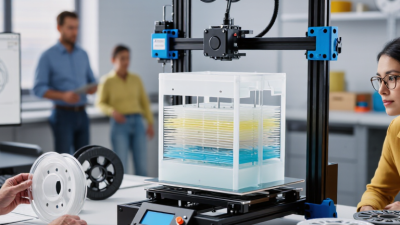
China’s 3D-printing market offers parts made through several processes, each suited to different needs. Fused-filament printing uses thermoplastics such as PLA, ABS, and nylon for brackets, housings, and workshop jigs. Layer lines may remain visible, so it is practical rather than decorative. Details matter.
Resin printing can capture tiny lettering and smooth curves for visual prototypes, though some resins become brittle under impact or sunlight. Selective laser sintering produces nylon parts with a slightly grainy surface. It can create complex ducts, clips, and lightweight assemblies without support structures. Metal powder-bed printing is available for aluminum or stainless-steel components, but finishing and machining can add time and cost.
Buyers may also find clear, flexible, or heat-resistant printed parts, depending on the material and process. Ask about sample dimensions, wall thickness, tolerances, and post-processing before ordering. A polished sample can hide a poor fit in the final assembly. That is easy to overlook. Share the part’s operating temperature, load, and intended use, then request a small test batch when dimensions matter. A printed part is not automatically production-ready; inspection still matters.
Typical layer thickness by process, with examples of parts each process can produce.
FDM is commonly used for prototypes, fixtures, and enclosures; SLA/DLP for detailed models and small housings; SLS and MJF for functional nylon parts; and metal powder-bed fusion for brackets and other metal components. Values shown are representative settings, not fixed limits; actual settings vary by machine, material, and supplier.
China’s 3D-printing suppliers cluster around manufacturing and engineering centers, but each region offers a different mix of services. Shenzhen and nearby Dongguan are practical choices for product teams needing printed prototypes alongside electronics, CNC machining, or short-run production. Suppliers there may offer resin and filament printing, plus finishing such as sanding or threaded inserts. Ask which steps happen in-house.
The Yangtze River Delta, including Shanghai, Suzhou, and Hangzhou, has a broad base of engineering firms and industrial suppliers. It can suit projects that need design support, material comparisons, or coordination with other manufacturing processes. That distinction matters. A supplier’s location alone does not prove its expertise, and capabilities vary between workshops.
Beijing and other university-linked centers may be useful for research-oriented builds and specialized engineering advice. For production parts, compare actual sample quality, dimensional inspection methods, lead times, and shipping arrangements. Request a small test batch before committing to a larger order. Check details closely. I would not assume the cheapest quote represents the lowest total cost: finishing, rejected parts, and extra revisions can change the calculation. The map is a starting point, not a guarantee.
When choosing where to buy 3D-printed parts in China, evaluate the supplier’s process, not just the quoted price. Ask which printing methods and materials suit your part, and request written details for critical dimensions. A clear answer should mention tolerances, likely surface finish, and limits that may affect fit. Small details matter.
Request a sample made from the same material and process planned for production. Measure key features with suitable tools, then compare them with the drawing. Ask for material data, inspection records, and photos of the actual part. A tidy photo is not proof of accuracy. Check how the supplier handles failed prints, design changes, and repeat orders; these responses reveal more than a polished sales page.
Communication deserves its own test. Send one drawing with a specific question, such as how a thin wall will be supported during printing. Notice whether the reply addresses that feature or stays vague. Confirm packaging, lead time, shipping terms, and who approves changes before production begins. A checklist cannot remove every risk, and a promising sample may not predict every production run. Record agreed specifications, and ask how inspection results will be shared for later batches.
| Evaluation Dimension | What to Check | Useful Evidence to Request | Good Evaluation Signal | Potential Warning Sign |
|---|---|---|---|---|
| Process capability | Confirm the available process matches the part’s geometry, intended use, surface requirements, and production volume. | Process description, machine and build-size information, sample parts, and an explanation of process limitations. | The supplier explains trade-offs between processes and recommends one based on the part requirements. | A single process is presented as suitable for every geometry, material, and application. |
| Material suitability | Check the exact material grade, relevant properties, intended environment, and any required regulatory or application-specific documentation. | Material datasheet, material grade, lot or batch traceability where required, and applicable test or compliance documents. | Material details are identified in the quotation or order documents, with supporting records available when needed. | Material is described only by a broad label, with no grade, datasheet, or clarification of substitutions. |
| Dimensional accuracy and tolerances | Specify critical dimensions, datums, fits, and acceptable tolerances on the drawing; assess each feature in relation to the chosen process and geometry. | A drawing review, written tolerance confirmation, and inspection results for agreed critical dimensions. | The supplier identifies dimensions that may need design adjustment, machining, or a clarified acceptance method. | Unqualified accuracy claims are made without reference to the part, feature, process, or inspection method. |
| Quality control and inspection | Understand how incoming material, production, post-processing, and final inspection are controlled. | Inspection plan, sample inspection report, measurement equipment details, and a description of nonconformance handling. | Inspection criteria are agreed before production, and reports can be linked to the relevant order or part revision. | Inspection is described vaguely, or the supplier cannot explain how out-of-spec parts are handled. |
| Quality management documentation | Check whether a quality management system or certification is required for the project, and verify its current validity and scope. | Certificate copy and, where relevant, issuing-body verification and confirmation that the certified entity and scope match the supplier. | Documents can be checked and are relevant to the facility and work being quoted. | A certificate is claimed but cannot be supplied, verified, or connected to the manufacturing operation. |
| Surface finish and post-processing | Define required finishing operations, appearance criteria, masked areas, and any surfaces that must remain dimensionally controlled. | Finish samples, process descriptions, marked-up drawings, and written acceptance criteria for appearance. | Finishing requirements are quoted separately where appropriate and tied to clear sample or drawing references. | Terms such as “smooth” or “production quality” are used without an agreed reference or acceptance standard. |
| Prototype and production readiness | Ask how the supplier will manage design revisions, repeat orders, capacity planning, and consistency between prototype and production work. | Revision-control method, proposed sampling or approval steps, and a production schedule based on the requested quantity. | The supplier confirms part revision, quantity, approval requirements, and production assumptions before starting. | Production is promised without confirming the approved design revision or the effect of quantity on process and lead time. |
| Quotation transparency | Compare the same part revision, material, quantity, finish, inspection level, packaging, and delivery terms across quotations. | Itemized quotation showing unit or lot pricing, tooling or setup charges if applicable, lead time, exclusions, and quote validity. | Assumptions and optional services are clearly stated, making quotations comparable on the same scope. | Important costs, exclusions, or production assumptions are unclear or disclosed only after the order is placed. |
| Lead time and communication | Confirm the expected schedule, approval milestones, time zone and communication arrangements, and how delays or technical questions are escalated. | Written schedule covering order confirmation, sample approval if applicable, production, and dispatch. | Milestones are specific, and technical questions receive clear, documented answers. | Only an unspecific delivery promise is provided, with no schedule or process for updates. |
| Shipping and delivery terms | Clarify destination, packaging, shipment method, insurance responsibility, customs documentation, and agreed delivery terms. | Written shipping quotation and named Incoterms® 2020 rule and place, where Incoterms are used. | Responsibilities for freight, export clearance, import clearance, duties, and delivery are explicit. | “Shipping included” is stated without identifying the destination, delivery basis, or customs responsibilities. |
| Intellectual property and confidentiality | Agree how CAD files, drawings, prototypes, and project information may be accessed, stored, and used. | Written confidentiality terms, access and file-handling practices, and contract language covering ownership and permitted use. | Confidentiality and file-use expectations are addressed before sensitive design files are shared. | Ownership or permitted use of customer-provided designs is left undefined. |
| Sample order and risk control | For a new supplier or uncertain design, consider a sample or pilot order before committing to a larger quantity. | Approved sample, inspection report, signed-off drawing revision, and agreed acceptance criteria for the next order. | The sample approval process and any limits on what approval covers are documented. | A large order is urged before the part, finish, or inspection requirements have been validated. |
| After-sales support and corrective action | Establish how defects, shipping damage, missed specifications, and repeat-order issues will be reviewed and resolved. | Written complaint process, response contact, corrective-action records where applicable, and agreed remedy terms. | Responsibilities and remedies are defined in the purchase terms before production. | There is no clear process for reporting or resolving quality or delivery problems. |
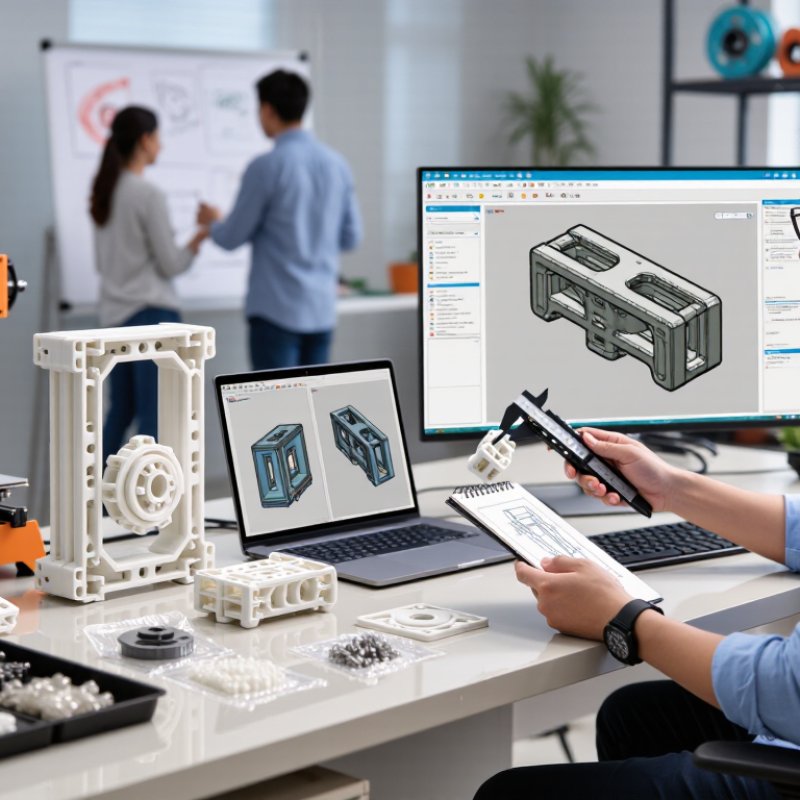
Comparison tip: Evaluate suppliers against the same drawing revision, material specification, quantity, finish, inspection requirements, and delivery terms. A supplier should be selected based on documented fit for the project rather than price alone.
China’s 3D-printing market offers several routes for sourcing parts. The right choice depends on geometry, material, and order size. Online platforms make it easy to compare quotations and lead times. Use them to check process options, file requirements, and seller response speed. Still, polished listings can hide uneven quality. Ask for a dated sample photo and a written tolerance range.
A factory can suit repeat orders or parts needing close process control. Request material data, surface-finish details, and inspection records for similar work. Confirm whether the quoted price includes support removal, post-processing, and shipping. For a one-off prototype, this route may involve more coordination than expected. Details matter. Ask for proof.
A service bureau can be useful when you need several technologies under one roof. It may inspect the model, flag thin walls, and suggest a more printable orientation. Before paying, clarify who handles reprints if dimensions miss the agreed range. I would not choose on price alone; a cheap part can waste a full assembly test. Ask for photos of the actual build, not only polished renders. I still misjudge lead times sometimes.
Where to Buy the Best 3D Print Parts in China?
Ordering, Quality Inspection, and Shipping Considerations
When sourcing 3D printed parts in China, send a clear drawing, material specification, and expected quantity before requesting a quote. Include critical dimensions, thread details, surface finish, and the environment where the part will operate. A small test order can show whether the supplier understands your tolerances. Ask for the production process and lead time in writing. Clarify vague replies before placing an order.
Before shipment, request photos of the actual parts beside a ruler or caliper, plus measurements for critical features. For higher-risk components, agree on an inspection plan in advance. Check for warping, rough edges, incomplete holes, and inconsistent color; these defects can hide in polished photos. Small details matter. Packaging deserves attention too: thin walls need support, and parts should not rub together during transit. Confirm the shipping method, tracking, export documents, and responsibility for unexpected duties before payment. Leave time for inspection and possible rework. A fast quote does not prove dependable production. I still find that one measurement is easy to overlook, so keep a simple checklist and compare it with the drawing before approving dispatch. It feels repetitive, but it can prevent avoidable surprises.