Contact us

What Are the Top Solar Energy Solutions in 2026?

Solar energy solutions in 2026 reach well beyond panels on a roof. Homeowners can compare rooftop solar with battery storage, community solar subscriptions, and systems paired with efficient heat pumps. Each option solves a different problem. A battery may keep selected lights and appliances running during an outage, but it cannot guarantee whole-home backup unless the system is designed for that load. Details matter.

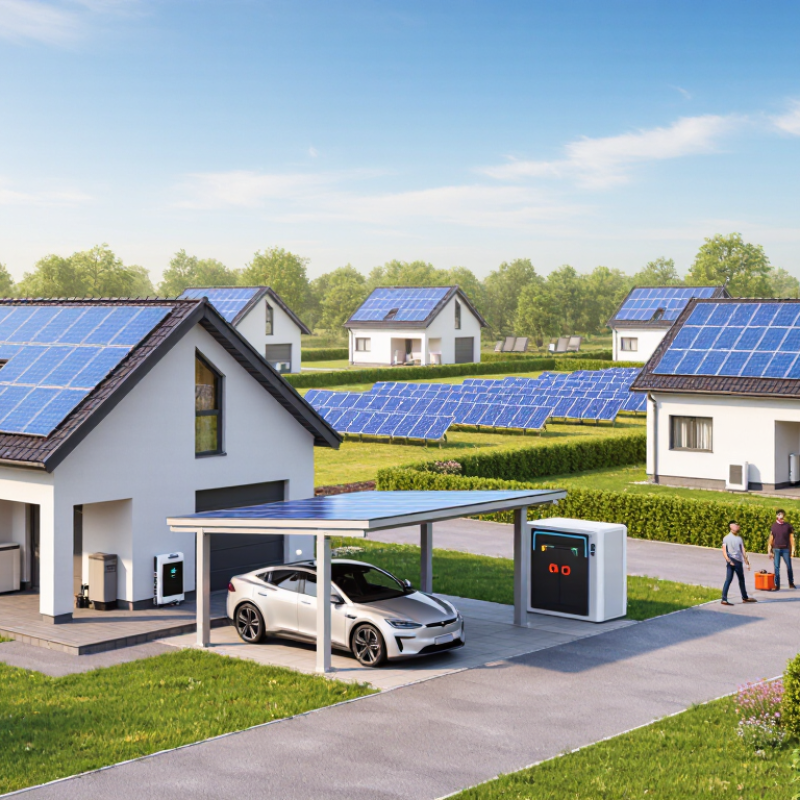
Roof angle, shade from a maple tree, local electricity rates, and installation costs can change the value of a system. Renters may have fewer choices, while community solar can offer another route where programs are available. Businesses are also considering solar carports, which generate electricity while shading parked vehicles. These examples are useful, not universal. Actual output depends on location, equipment, and usage.

This guide will compare leading solar energy solutions and explain what to check before requesting a quote. It will look at panel performance, battery capacity, warranties, financing terms, and system monitoring. Readers should compare estimates using the same assumptions and ask installers how projected savings were calculated. Some forecasts may still miss real-world conditions; that deserves attention, not a footnote. No technology fits every roof or budget. The most practical choice is often the one whose limits are clear, whose costs are understandable, and whose performance can be checked over time.
What Are the Top Solar Energy Solutions in 2026?

How Solar Energy Solutions Work in 2026

In 2026, a typical solar energy system turns sunlight into electricity through photovoltaic panels. The panels produce direct current, and an inverter converts it into the alternating current used by household appliances. A small display or monitoring app can show production and consumption, though readings may not explain every dip. Cloud cover, dust, and a chimney’s shadow can all reduce output. That is the basic path.

Tips: Check your roof’s shade at different times of day. Compare your hourly electricity use with expected solar production, not just your monthly bill. If you add a battery, ask how much usable capacity remains during an outage.

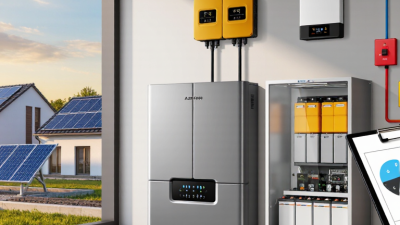
A battery stores extra daytime electricity for evening use or backup, depending on system settings and local utility rules. Without storage, a grid-connected home can draw power when panels produce too little; export credits vary by location and plan. Some systems also coordinate solar, batteries, and flexible loads such as water heating or vehicle charging. These controls can shift use toward sunny hours. Still, software cannot fix an undersized array or poor roof placement. A tidy estimate can miss future shade or changing household habits, so treat projections as estimates, not promises.

Main Types of Solar Panels and Systems

What Are the Top Solar Energy Solutions in 2026?

Main Types of Solar Panels and Systems

Solar choices start with the panel, but the roof and household needs matter just as much. Monocrystalline panels usually produce more power from a smaller area, which helps when roof space is limited. Polycrystalline panels remain a familiar option, though their availability and pricing vary by market. Thin-film panels are lighter and can suit curved surfaces or structures that cannot support heavier modules. They often need more area for the same output. Trade-offs matter.

A grid-tied system connects to the utility network and can send surplus electricity back, depending on local arrangements. It generally does not provide power during an outage unless paired with suitable backup equipment. An off-grid system uses batteries and must be sized around real consumption, including cloudy periods. A hybrid system combines grid access with battery storage, offering more flexibility but adding cost and design decisions. Batteries are not automatically worthwhile.

In practice, a useful comparison begins with the roof. Note its direction, shade from nearby trees, and usable area. Then review annual electricity use and when that power is needed. A family using appliances after sunset may value storage more than a household using most power during daylight. Even careful estimates can miss seasonal changes. That is worth checking. A qualified site assessment can clarify expected output, equipment compatibility, and maintenance needs before a system is selected.

Battery Storage and Solar Power Management

In 2026, solar panels and battery storage work best as one managed system. Panels produce most power during daylight, while household demand often rises in the evening. A battery can hold some excess electricity for later use. That sounds simple. In practice, the right capacity depends on daily usage, panel output, and how much backup a home needs. A small battery may cover lights, a router, and a refrigerator for a while, but not every appliance at once.

Solar power management software tracks generation, battery charge, and household demand. It can prioritize stored energy during peak-use hours or keep a reserve for outages. Useful settings should be clear, not buried in menus. Homeowners should also check round-trip efficiency, usable capacity, warranty terms, and whether the system can expand later. These details matter more than a flashy dashboard. A battery does not create energy, and cloudy weather can reduce charging. It is easy to assume a larger unit is always better; sometimes that means paying for capacity a household rarely uses. Reviewing actual electricity bills and seasonal patterns gives a more grounded starting point.

What Are the Top Solar Energy Solutions in 2026? — Battery Storage and Solar Power Management
Solution Main Components How It Helps Typical Performance or Scale Best Suited For Key Consideration
Solar PV with a home battery Solar panels, inverter, battery, and energy-management controls Stores surplus daytime generation for use after sunset or during a grid outage, when the system is configured for backup. Residential batteries commonly provide about 5–20 kWh of usable storage. Battery round-trip efficiency is commonly around 85–95%, depending on equipment and system design. Homes seeking greater use of their own solar generation or backup for selected loads Usable capacity, power output, backup configuration, installation costs, and local utility rules all affect results.
Solar PV with a smart inverter Solar panels and an inverter with grid-support and monitoring functions Converts solar electricity for household or grid use and can provide functions such as voltage support or controlled export where enabled. Inverters are selected to match the array and electrical system; conversion efficiency varies by model and operating conditions. New solar installations and systems being upgraded for improved monitoring or grid compatibility Available functions and interconnection requirements vary by jurisdiction and utility.
Home energy management system Energy monitor, control software, and compatible appliances, battery, or inverter Coordinates solar production, household demand, and storage to shift flexible loads toward periods of higher solar output. Potential savings depend on household load patterns, tariffs, device compatibility, and how much demand can be shifted. Homes with electric water heating, flexible appliances, batteries, or time-varying electricity prices Automation needs accurate data and compatible equipment; savings are not guaranteed.
Time-of-use battery optimization Solar or grid-charged battery, inverter, and tariff-aware control settings Charges and discharges the battery according to electricity prices, solar output, and household demand. Value depends on the difference between peak and off-peak prices, battery efficiency, and tariff rules. Customers on time-of-use or other tariffs with meaningful price variation Some tariffs restrict grid charging or battery export; check the applicable tariff and interconnection terms.
Solar-plus-storage backup power Solar panels, battery, inverter, transfer equipment, and designated backup circuits Supplies selected electrical loads during an outage; solar may recharge the battery during an outage if the system is designed to operate in that mode. Backup duration depends on usable battery energy, load size, solar conditions, and system settings. Homes or small facilities that need continuity for essential loads Grid-tied solar systems generally shut down during an outage unless equipped with appropriate islanding and backup hardware.
Solar-ready electric vehicle charging Solar PV, an EV charger, and optional charging controls or battery storage Schedules vehicle charging to use available solar generation or lower-cost electricity when possible. Charging power depends on the vehicle, charger, building electrical capacity, and available solar output. Households or workplaces with electric vehicles and daytime charging flexibility Vehicle charging can exceed surplus solar production, so controls may be needed to limit grid imports.
Community solar with shared storage Shared solar installation, optional battery, and subscriber or utility billing arrangements Allows participants to receive a financial credit or allocated solar benefit without installing panels on their own property. Project size and storage capacity vary; participant benefits depend on program design and local billing rules. Renters, apartment residents, and properties with unsuitable roofs Availability, eligibility, contract terms, and bill-credit rules are location-specific.

Choosing a Solar Solution for Different Needs

What Are the Top Solar Energy Solutions in 2026?
Choosing a Solar Solution for Different Needs

The right solar setup depends on when and where you use electricity. A grid-connected rooftop system can suit homes with clear roof space and daytime demand. Add a battery when evening use, outage concerns, or local rate plans make storage worthwhile. A battery is not automatically the smarter choice. Its value depends on costs, usage, and how often it can charge and discharge. For renters or shaded homes, community solar may be a more practical route. Businesses can consider carports or rooftop arrays that also shade parked vehicles.

Industry reports show why choices are expanding. IRENA’s Renewable Power Generation Costs in 2023 reports that the global weighted-average cost of electricity from new utility-scale solar PV fell 12% from 2022, to $0.044 per kilowatt-hour. The IEA’s Renewables 2024 forecasts nearly 5,500 gigawatts of renewable capacity additions worldwide between 2024 and 2030, with solar PV expected to lead growth. These figures describe broad trends, not a household’s guaranteed savings. Roof condition, shading, local tariffs, and installation costs still matter.

Tips: Check twelve months of bills, then compare quotes using the same system size and assumptions. Ask how shade affects output. I would not size a system from annual bills alone; seasonal use matters, and that detail is easy to overlook.

What Are the Top Solar Energy Solutions in 2026?

Choosing a Solar Solution for Different Needs

How to use this chart: For a roof with limited space, higher-efficiency monocrystalline modules can generate more power per unit of area. For projects with ample space, compare total system cost and site conditions as well as module efficiency. Community solar can suit people who cannot install rooftop panels, while solar-plus-storage can provide backup power when paired with a suitable battery.

Efficiency ranges are indicative of commercially available module technologies; actual values vary by product and market.

Emerging Trends in Solar Energy for 2026

Emerging Trends in Solar Energy for 2026

Solar growth is shifting from adding panels alone to managing when and where electricity is used. The International Energy Agency’s Renewables 2024 report projects nearly 5,500 gigawatts of new renewable capacity by 2030, with solar photovoltaics expected to provide about 80% of that increase. That scale makes batteries, flexible demand, and stronger grid connections increasingly important. A battery can store midday power for evening use, but its value depends on local rates and grid conditions. Details matter.

A second trend is designing solar around existing land and infrastructure. Rooftop arrays, parking canopies, and agrivoltaic systems can produce power while preserving other uses of space. Yet these projects need careful planning: panels can shade crops, and site-specific conditions affect yields. The International Renewable Energy Agency reported that utility-scale solar’s global weighted-average electricity cost fell 12% in 2023 compared with 2022. Lower costs help, but they do not remove permitting, connection, or maintenance challenges.

Digital controls are also becoming more useful. Forecasting tools can help operators match solar output with storage and demand, especially when clouds roll across a site. Still, software is not a substitute for reliable equipment or local expertise. In 2026, the strongest solar solutions will likely combine efficient panels, storage where it makes economic sense, and designs suited to the actual site—not simply the largest system available.