Contact us

China Best 3D Printing Companies for Global Buyers

China’s 3D printing market offers global buyers a wide range of suppliers, technologies, and production services. Yet choosing a partner takes more than comparing machine prices or viewing glossy sample parts. Buyers need to understand what each company can reliably produce, from a small resin prototype to a batch of metal components. A printed part may look precise on a screen and still need careful finishing.

Terry Wohlers, a long-time additive manufacturing analyst, has emphasized a practical principle in his industry research: the value of additive manufacturing depends on the application it serves. That insight matters when comparing Chinese 3 d print companies. A good match depends on material performance, dimensional tolerances, quality-control records, communication, and the supplier’s ability to explain limitations. Ask about sample inspections, post-processing, production capacity, and how changes are handled. Clear answers matter.

This guide introduces factors global buyers can use to assess suppliers, including technology choices, engineering support, lead times, shipping coordination, and quality documentation. It also considers how to compare quotations without treating the lowest price as the best value. A polished website is not proof of consistent production. Neither is one successful sample. Buyers should request relevant evidence and test assumptions with a real project. That takes time. Some comparisons will still feel imperfect, especially when suppliers describe capabilities differently. Careful questions can make the decision clearer, though not effortless.
China Best 3D Printing Companies for Global Buyers

Understanding China’s 3D Printing Industry

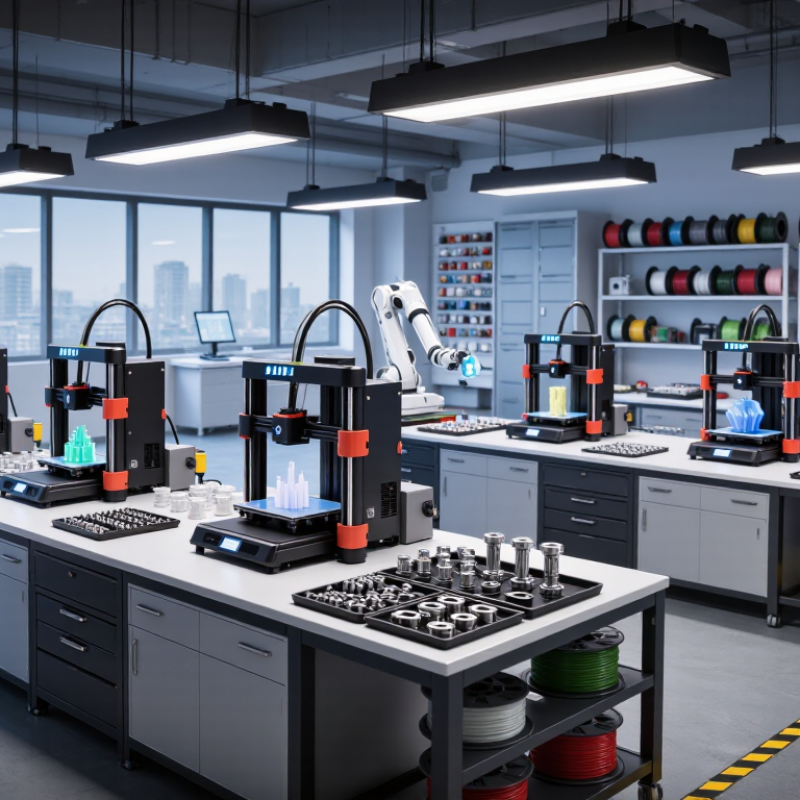
China’s 3D printing industry is a broad manufacturing network, not a single type of supplier. It includes print-service workshops, machine producers, material suppliers, and post-processing teams. In some areas, these capabilities sit close together. That can shorten the path from a digital model to a finished part. A prototype may be printed in resin, checked under a bright inspection lamp, then adjusted before another build. Small changes matter.

Different processes suit different needs. Metal printing can support complex geometries, while polymer printing often serves prototypes, housings, and functional parts. Buyers should ask how a supplier controls dimensions, surface finish, and repeat production. Requesting a sample inspection report can make those answers more useful. So can sharing a clear drawing, material specification, and expected quantity. One detail is often missed: a visually clean part may still need careful measurement.

The industry’s strengths include manufacturing depth and access to varied materials, but capabilities differ from workshop to workshop. A successful sample does not guarantee identical results across a larger order. That deserves a little skepticism. Discuss machine availability, inspection steps, packaging, and production timing before approving a project. Ask how defects are recorded and corrected. Not every supplier will explain this clearly at first. A patient technical conversation can reveal more than a polished sales page.
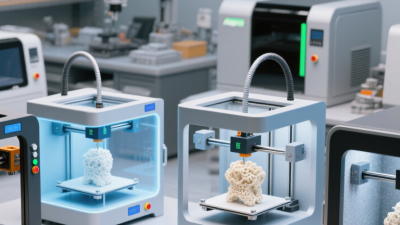
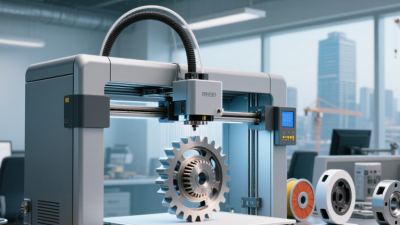
Key Criteria for Evaluating Chinese 3D Printing Companies

When evaluating Chinese 3D printing companies, look beyond machine counts and attractive sample parts. Ask which processes and materials suit your design, then request a small production sample. Check thin walls, holes, threads, and mating surfaces with your own drawings. Ask for measured results, not only photographs. Ask for evidence.

A dependable supplier should explain how it controls dimensions, surface finish, and batch variation. Request a sample inspection report and confirm which features were measured. For repeat orders, clarify how files, revisions, and approved specifications are tracked. A polished prototype can hide inconsistent production. Check packaging, expected lead times, and how delays are communicated. Clear answers matter.

Communication is another practical test. Send a drawing with one difficult tolerance and see whether the team flags risks or simply promises success. Ask who handles technical questions and how changes affect cost and timing. Verify certificates directly, including their scope and issuing organization. No supplier is flawless; even a careful review may miss something. That is worth remembering. Keep written records of material, finish, inspection, and delivery requirements before approving an order.

China’s 3D Printing Companies: Key Criteria for Global Buyers

A practical framework for comparing suppliers before requesting a quotation.

The 1–5 scores are suggested checklist priorities, not measured company ratings or survey results. Buyers should verify each criterion with current technical documents, samples, and quotations.

Leading Chinese 3D Printing Companies for Global Buyers

Leading Chinese 3D printing companies serve buyers across prototyping and production, but capabilities vary by material, process, and factory.

Wohlers Report 2024 puts global additive manufacturing revenue in 2023 at about US$20.0 billion, an 11.1% annual increase.

This is a growing market, not proof that every supplier can meet demanding specifications. Match processes, such as polymer or metal powder-bed fusion, to part geometry, use conditions, and required finish. Details matter.

Before placing a large order, request a representative build and inspect key dimensions against documented measurements. Ask for evidence of machine maintenance, material traceability, batch repeatability, and inspection procedures; a polished sample alone is weak evidence.

Confirm file handling, packaging, lead times, and how defects are resolved across time zones. No checklist catches everything. A capable supplier should explain limitations plainly, including warping risks, support marks, and post-processing changes.

For international buyers, written acceptance criteria and a named technical contact reduce ambiguity more effectively than broad quality claims.

Technologies, Materials, and Services Offered

Global buyers should compare a supplier’s technologies with the part’s actual geometry, load, and finish requirements. Fused filament fabrication suits quick, cost-conscious models, while resin-based printing can capture fine details on small components. Powder-bed polymer processes support complex shapes without separate support structures. Metal powder-bed fusion can produce strong, intricate parts, but typically needs careful planning for orientation and post-processing. Not always.

Material names alone do not tell the whole story. Ask for the exact grade, available data sheets, and any limits on heat, moisture, or repeated loading. A nylon part may work well for a functional housing, yet prove unsuitable near sustained heat. Tolerances also vary with process, part size, and feature placement. Get critical dimensions confirmed before approving a production run.

Useful services extend beyond printing. Look for design-for-manufacturing feedback, prototype review, surface finishing, dimensional inspection, and clear reporting of defects or rework. A practical supplier can explain how supports, shrinkage, or machining may affect a specific feature. Request a sample inspection report and clarify whether measurements cover every unit or only selected parts. Shipping plans and packaging matter too; thin features can arrive damaged despite a successful print. One caveat: published process ranges are starting points, not guarantees for every geometry.

China Best 3D Printing Companies for Global Buyers - Technologies, Materials, and Services Offered

This overview summarizes processes and services commonly available from China-based 3D printing suppliers. Material availability, equipment, certifications, and production capabilities vary by supplier and should be confirmed for each project.

Technology Common Materials Typical Strengths Common Applications Services Buyers Can Request
Fused Filament Fabrication (FFF/FDM) PLA, ABS, ASA, PETG, nylon, polycarbonate, and fiber-reinforced filament options Cost-effective production of larger parts; broad thermoplastic selection; practical for early prototypes and functional components Fit checks, housings, jigs, fixtures, low-volume parts, and concept models Design-for-print review, material selection, support removal, sanding, painting, threaded inserts, and dimensional checks
Stereolithography (SLA) Liquid photopolymer resins, including general-purpose, high-detail, tough, and heat-resistant grades Fine surface detail and smooth finishes; suitable for intricate geometry and visually focused prototypes Appearance models, dental or consumer-product models, patterns, and detailed prototypes Resin recommendation, support removal, washing and curing, sanding, painting, and visual inspection
Selective Laser Sintering (SLS) Commonly nylon powders such as PA12 and PA11; some suppliers also offer flexible thermoplastic powders Produces durable polymer parts without dedicated support structures; useful for complex shapes and nested parts Functional prototypes, clips, ducts, enclosures, and small production batches Powder-bed orientation review, depowdering, bead blasting, dyeing, surface finishing, and batch production
Metal Powder Bed Fusion (PBF) Depending on supplier capability: stainless steel, aluminum alloys, titanium alloys, tool steels, and nickel-based alloys Creates metal parts with complex internal features; material and process selection can support demanding functional uses Engineering prototypes, lightweight components, tooling inserts, and selected end-use parts Build-orientation review, support removal, stress relief, heat treatment, machining, surface finishing, and inspection reports
Binder Jetting Metal powders or sand-based feedstocks, depending on the equipment and process offered Can produce multiple parts in a build; metal components generally require post-processing such as curing, depowdering, and sintering Sand-casting molds and cores, prototypes, and selected metal-part applications Feedstock and process consultation, depowdering, sintering coordination for metal parts, finishing, and dimensional verification
Material Jetting Photopolymer materials; some systems can combine different material properties or colors High-detail parts with smooth surfaces; certain systems support multi-material or color output Visual prototypes, product presentation models, and parts requiring varied appearance or material feel Color or material planning, support removal, cleaning, finishing, and presentation-ready preparation
Multi Jet Fusion–type Polymer Powder Printing Typically nylon powders such as PA12; exact options depend on the supplier’s machine and material program Suitable for functional polymer parts and batch production; supports efficient production of multiple components in a build Enclosures, brackets, clips, ducts, and short-run functional components Part consolidation review, depowdering, bead blasting, dyeing, batch planning, and inspection
Cross-Process Services Material choices depend on the selected printing process and supplier qualification Combines printing with engineering support and post-processing to help move parts from prototype toward production Prototype development, low-volume manufacturing, tooling support, and replacement parts Quotation and DFM review, CAD-file checks, prototyping, finishing, assembly, quality documentation, export packing, and shipping coordination

How to Select a Supplier for Your Project

Selecting a 3D printing supplier starts with the part, not the sales pitch. Define its dimensions, expected use, quantity, and acceptable tolerances. A thin wall for a display model needs different attention than a bracket that carries a load. Share a drawing or sample file, then ask which process and material fit the job. Request a small prototype before approving a larger run. It can reveal warping, rough edges, or details that disappear in production.

Ask how the supplier checks quality. Useful answers include inspection tools, measurement records, and clear rules for handling failed parts. Request photos or a sample report from a comparable project, with sensitive information removed. Check whether the quoted price includes finishing, packaging, and shipping. These details can change the real cost. Ask who will answer technical questions and how quickly revisions are handled. A polished website alone tells you very little.

For international orders, confirm production lead time, packing methods, and shipment tracking before paying. Get material specifications in writing, and make sure the supplier can explain any limits, such as surface texture or dimensional variation. Compare quotes on the same requirements, not just the lowest number. A pilot order is often worth the extra time. Still, even a careful test may not predict every production issue; I would leave room in the schedule for one unexpected revision.